




Q: We are looking to move outside Nashville next year. Where can I go to get GOOD information about gardens in Mid-Tennessee? We have always had rosebushes and many succulents. Do you have helpful tips and/or where would a good place be to dig into this new endeavor?
A: Each gardening zone has its own advantages and challenges. In Southern California, we have mild winters and very hot summers, low humidity and bad soil. We also have a very long growing season (for vegetables) and can even garden in the winter. Coastal areas are generally frost-free, which means you can grow citrus, bougainvillea, avocados and other frost-sensitive plants. On the other hand, plants that require a winter rest period or a significant number of winter chill hours will not do well here.
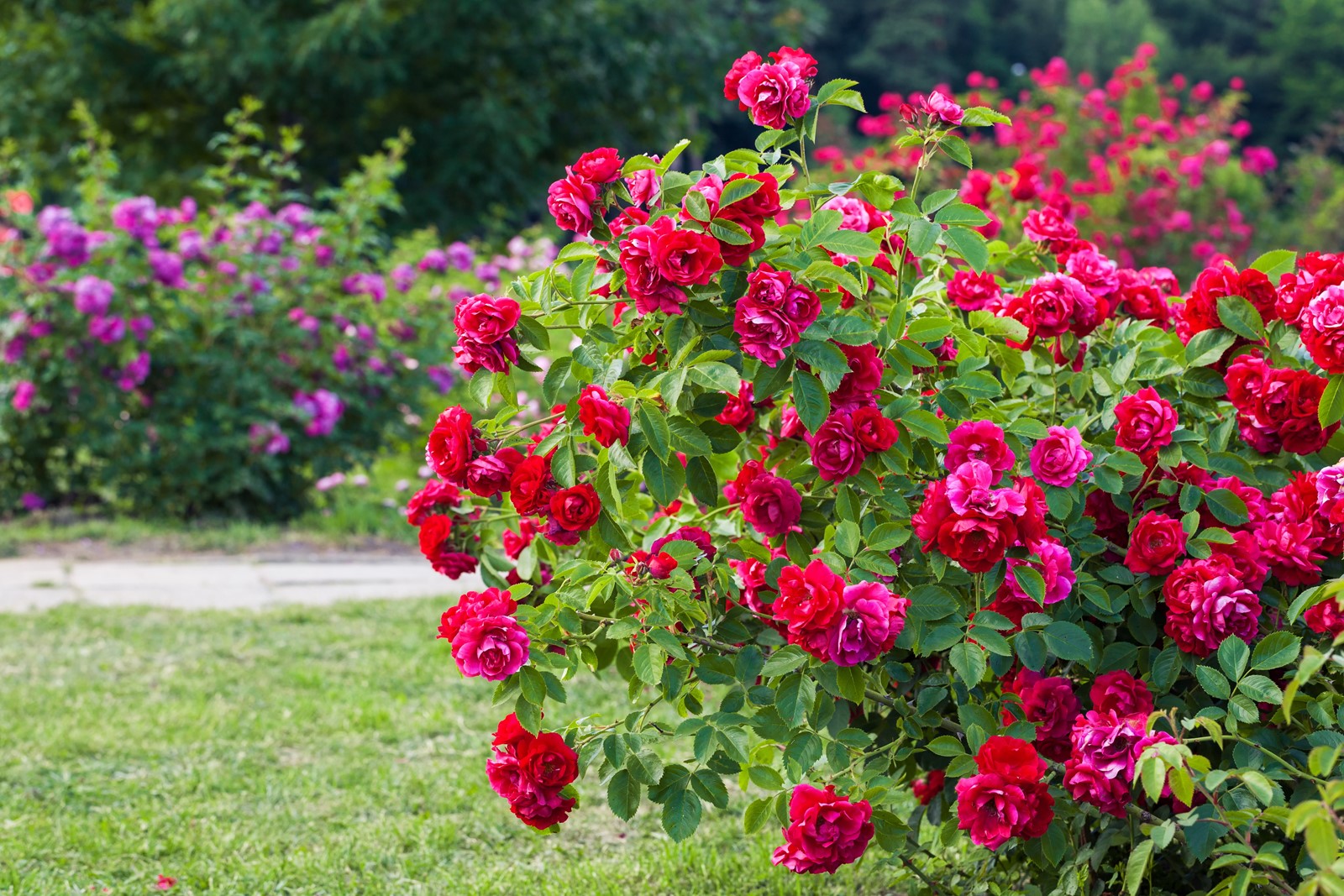
Roses usually thrive here because the dry weather is unfavorable to most fungal diseases that plague them. In Tennessee, you may need to treat your roses with preventive antifungal sprays to keep them looking good. The East Coast is also home to the Japanese beetle, a voracious pest that loves roses (and many other garden plants). Pheromone traps are effective at keeping them away from your plants, but you’ll want to set them out early in the season before they eat everything.
Succulents may have to be grown in containers since the soil there is mostly heavy clay that doesn’t drain freely. You may also need to bring them inside for the winter since many are frost-tender.
On the brighter side, you probably won’t have to install irrigation since it rains there. This is a huge plus!
Nashville is in USDA zone 7a, as is much of the state. You can see exactly which zone you’re in by going to plantmaps.com/list-of-hardiness-zones-for-tennessee-cities.php .
The University of Tennessee also has a master gardener program. Go to mastergardener.tennessee.edu.
I would also recommend finding local garden clubs, since their members can offer a wealth of information as well as seeds, cuttings and plant divisions. Botanical gardens and locally owned nurseries can offer inspiration as well as information.
Every state has its own master gardener program, so if you’re interested in becoming a master gardener volunteer or just want to take classes or a workshop, they should be able to steer you in the right direction.
Have questions? Email gardening@scng.com.
 PREVIOUS ARTICLE
