







It didn’t have the drama of 2024, with Oakland’s Kamala Harris running for president, or the death of Willie Mays.
There were no huge Bay Area wildfires like the ones that devastated Los Angeles in January. No big floods, earthquakes or droughts. The main mayhem was political — between bright blue California and Trump 2.0.
Nevertheless, the Bay Area saw major events in 2025, many with far-reaching implications for the region’s economy, residents, culture and in some cases, the whole world. Here are the top Bay Area stories of 2025:
1. The explosive growth of AI:
In October, Nvidia, a Santa Clara-based company founded around a table at Denny’s in East San Jose in 1993, became the first company in history with a market value of $5 trillion. CEO and co-founder Jensen Huang came to America as a child from Taiwan and worked as a dishwasher and a busboy before earning electrical engineering degrees from Oregon State and Stanford universities. With his company now worth more than Apple, Microsoft, General Motors or Walmart, Huang’s net worth hit $152 billion, Forbes estimated, making him the eighth-richest person on Earth.
The secret to Nvidia’s success? It is the leading maker of computer chips used in artificial intelligence. AI was everywhere in 2025. The Bay Area was its epicenter. The technology enables computers to “think,” or simulate tasks traditionally done by human brains, such as making decisions and learning from data.
For better or for worse, students in high schools and colleges regularly used ChatGPT, an AI program, to help with homework or write their papers entirely. Self-driving cars navigated roads with AI technology. It powered video games, and suggested which movies to watch on Netflix and which products to buy on Amazon. It helped detect cancer, improved weather forecasting, and gave Siri, Alexa and other digital assistants answers to people’s questions.
Bay Area tech giants including Google, Meta and AMD rode the wave. The AI rush boosted hiring, increased housing demand and prices, and caused a boom in the construction of electricity-guzzling data centers. AI also raised serious concerns, from copyright infringement to deep fake videos, a possible stock market bubble, the lossof human jobs and even sci-fi scenarios where AI systems could one day weaponize computers and robots against people.
“This is the single most impactful technology of our time,” Huang told TIME magazine. After seeing his track record in 2025, few people disagreed.
2. Newsom for president?:
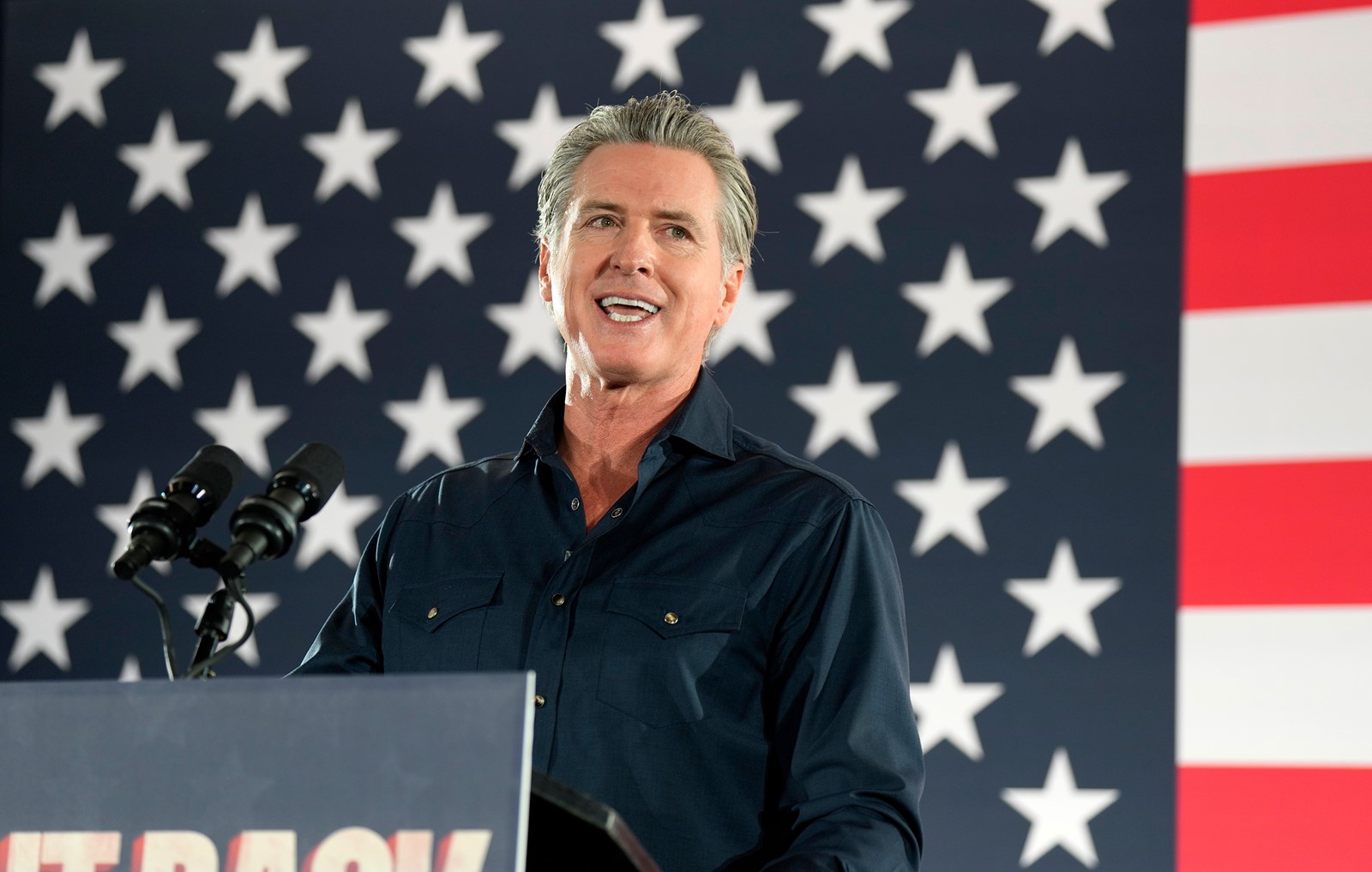
After nearly seven years of ups and downs as governor, former San Francisco mayor and current Marin County resident Gavin Newsom figured out the magic formula to win over Democrats nationally in 2025 — fighting back against President Trump. Aggressively.
When Trump took office again 11 months ago, Newsom became leader of the resistance. California sued Trump 50 times this year. Newsom fought immigration raids, attempts to weaken environmental laws, andTrump’s tariffs. When Trump pressured Texas to redraw congressional districts to help Republicans retain the House in 2026, Newsom put his own gerrymandering measure on California’s ballot, Proposition 50, to win five more Democratic seats. Voters approved it in a landslide.
He mocked Trump relentlessly on social media, using many of Trump’s own bombastic tactics.
It’s still very early for 2028. And Newsom has many vulnerabilities, from California’s homelessness to its high cost of living.
But with one year left as governor, Newsom’s approval rating in California is rising: 55% in the December PPIC poll, up 10 points from a year before. Nationally, the Real Clear Politics polling average from August to December shows Newsom leading all Democratic presidential nominees, ahead of Kamala Harris, Pete Buttigieg, JB Pritzker and others.
Newsom has big donors in Hollywood and Silicon Valley. He’s energetic, photogenic and is giving Democrats what they want: Someone to go on offense. Will it hold?
3. ICE raids:
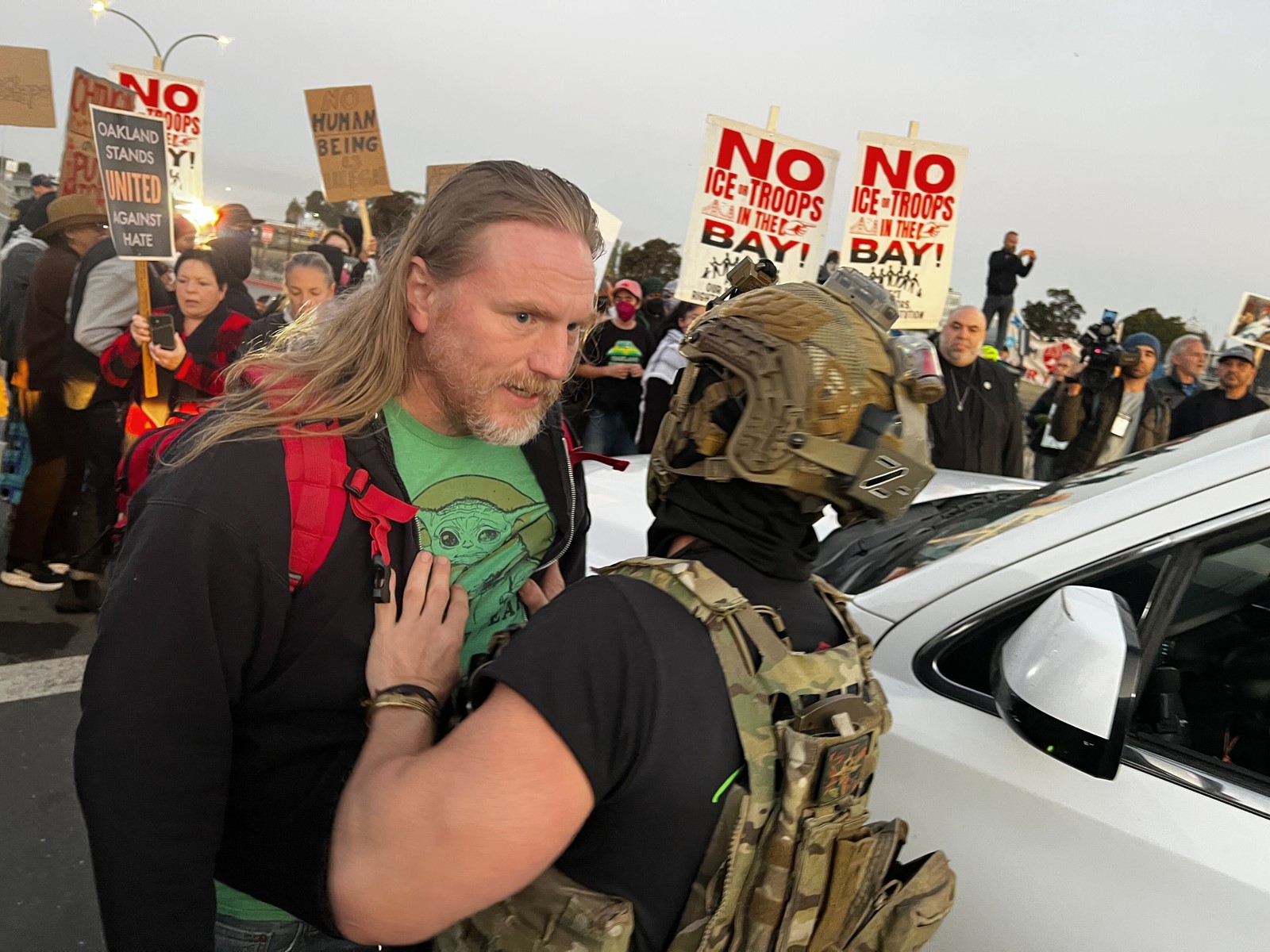
The Trump administration’s immigration crackdown roiled communities nationwide in 2025. Federal agents, many with masks covering their faces, arrested people at workplaces, courthouses and near churches and schools. Thousands were deported, some gang members and convicted criminals, others who had been brought as children to the U.S. or who were working as gardeners. In some cases, American citizens were wrongfully detained.
Trump also sent Border Patrol agents and National Guard troops to Los Angeles, Chicago, Minneapolis and other cities. He planned to send them to the Bay Area. But he reversed course on Oct. 23 after San Francisco Mayor Daniel Lurie and several tech CEOs asked him to back off.
“I got a great call from some incredible people, some friends of mine, very successful people,” Trump told reporters, mentioning Nvidia CEO Jensen Huang and Salesforce CEO Marc Benioff.
Trump said they told him San Francisco was working hard to reduce crime. “We’re going to let them see if they can do it,” Trump said.
The detente almost certainly avoided violent clashes between activists and federal authorities. But Bay Area residents, community activists and Newsom — who won a court ruling requiring the National Guard to leave Los Angeles — will remain on high alert in 2026.
4. Golden State Valkyries amazing first season:
On May 16, the Chase Center in San Francisco was packed, with 18,000 fans roaring over every play during a basketball game. But it wasn’t the Golden State Warriors they came to watch. Not Steph or Draymond.
It was the Golden State Valkyries. This year, the Valkyries became the first new WNBA team anywhere in the United States in 17 years.
The Bay Area loved them. The team sold out all 22 of its home games, breaking WNBA attendance records. Golden State won more games than any other WNBA expansion team in its first season and became the only one to reach the playoffs in its first year.
Head coach Natalie Nakase was named WNBA Coach of the Year. Veronica Burton was named the WNBA’s Most Improved Player.
In 2026, the team — controlled by Warriors owners Joe Lacob and Peter Guber — will need to re-sign core players and potentially lure some big-name talent. But all signs point to more success.
“It was great to see that so many of our fans came,” said forward Janelle Salaün after the last game Sept. 17. “That was crazy. Like, you felt it, you know? We felt the energy.”
5. East Bay football coach John Beam slain:
In the 1946 classic “It’s a Wonderful Life,” Clarence the Guardian Angel tells George Bailey that “Each man’s life touches so many other lives. And when he isn’t around, he leaves an awful hole, doesn’t he?”
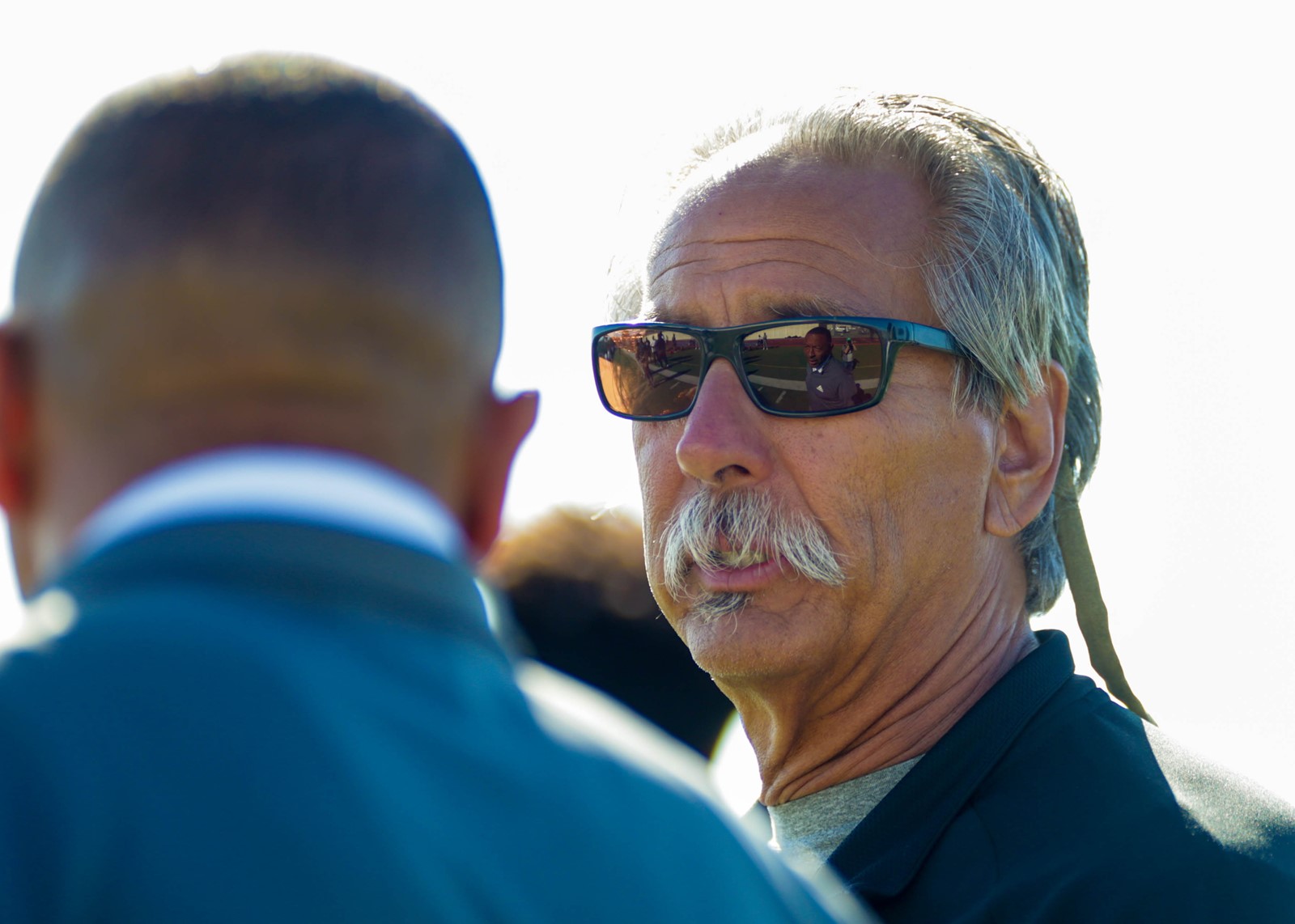
John Beam embodied that truth. As the head football coach at Skyline High School in Oakland from 1987 to 2003, he mentored hundreds of young men, many from disadvantaged backgrounds. He compiled a 160-33 record before moving to nearby Laney College, where he delivered similar inspiration and guidance. Under the mustachioed coach, more than 100 players went on to play Division 1 football, 90% graduated or transferred to four-year schools, and several reached the NFL. In 2019, his team was featured in the Netflix series “Last Chance U.”
Beam was shot at Laney College on Nov. 13, where he had been working as athletic director for the past year. Cedric Irving Jr., one of Beam’s former players, was charged with murder. The motive remains unclear. Hundreds of people, many of whom described Beam as a father figure who pushed them to earn good grades and pursue careers they never thought possible, attended his Memorial Service on Dec. 10.
“For 45 years, he showed up when others stepped back,” said Oakland Mayor Barbara Lee. “He believed in our young people before they believed in themselves.”
6. Nancy Pelosi announces her retirement:
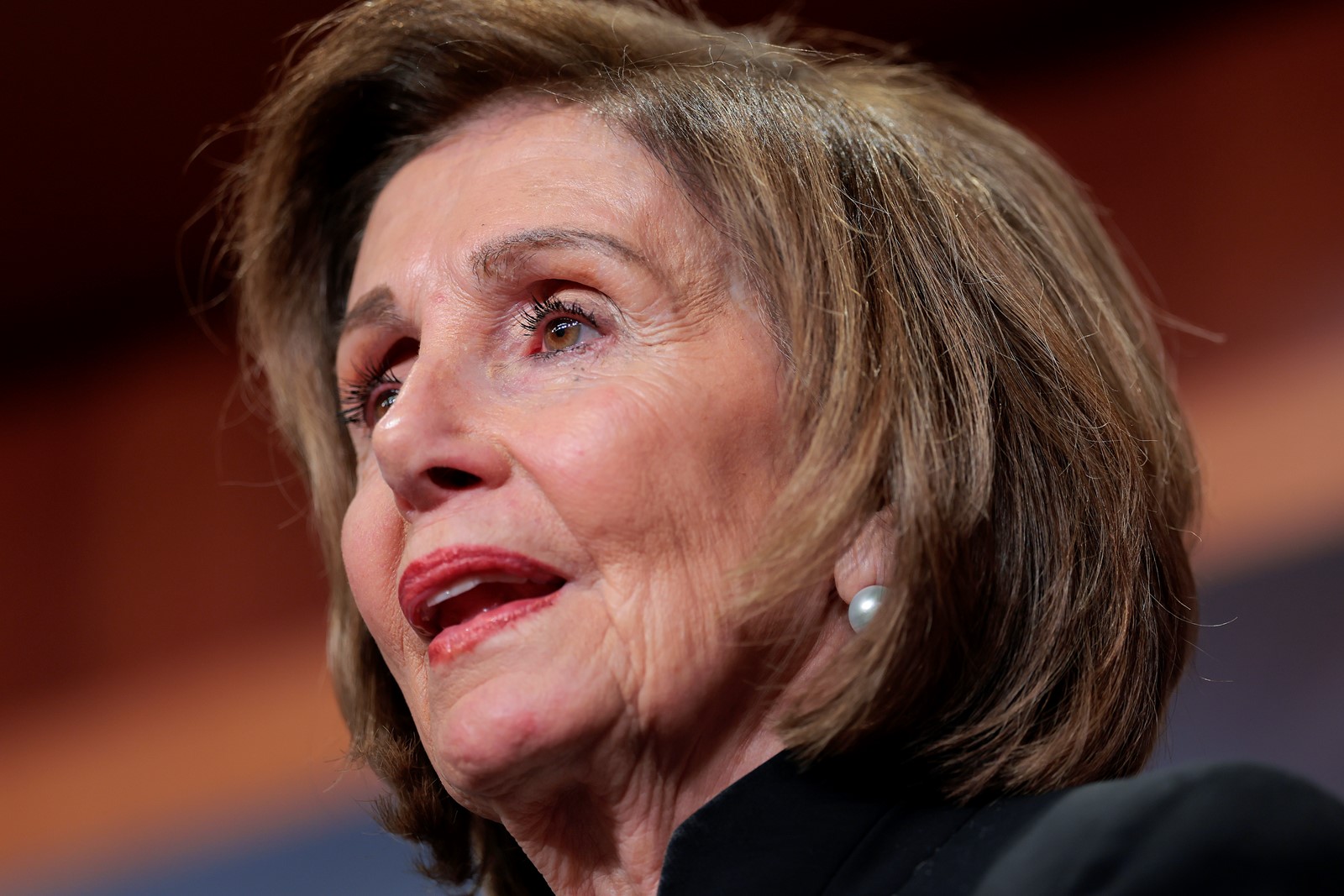
On Nov. 6, an era ended in Bay Area and American politics, when Nancy Pelosi, the longtime Democratic congresswoman from San Francisco, announced she wouldn’t run for re-election.
Pelosi was elected the first woman Speaker of the U.S. House of Representatives, second in the line of succession to the presidency, in 2007. She secured the gavel again after Republicans lost the 2018 elections, making her the first person to do so since Sam Rayburn in 1955.
During 20 terms in Congress, Pelosi won accolades from Democrats and grudging respect from Republicans for her ability to pass key laws, even with very narrow majorities, including the Affordable Care Act.
Trump, whom she helped impeach twice, called Pelosi, 85, “an evil woman.” Her decision to step down set off a high-profile race to succeed her. State Sen. Scott Wiener, Supervisor Connie Chan, and former tech executive Saikat Chakrabarti announced campaigns. If Democrats retake the House in November, the next Democratic speaker will likely be Hakeem Jeffries of New York, whom Pelosi chose as her successor.
7. VTA strike shuts down transit in the South Bay:
On March 10, more than 100,000 Silicon Valley residents woke up to find they had no way to get to work. The union representing bus drivers, light rail operators and other employees at the Valley Transportation Agency had walked off the job. The historic strike had major impacts on working-class people, students and other transit riders across Silicon Valley.
The union asked for an 18% raise over three years, citing high housing costs. The San Jose-based VTA countered with 9%, pointing to reduced ridership after COVID-19, and the fact that VTA operators were the fifth-highest-paid in the nation.
The 17-day strike, the longest in VTA’s history, ended when Santa Clara County Superior Court Judge Daniel Nishigaya ordered the union’s 1,500 employees back to work. In June, the union approved a new contract. It provides a 14.5% raise over four years, with enhanced dental care and workplace policies.
In 2026, amid low ridership levels as people work from home, transit agencies will consider putting a sales tax hike on Bay Area ballots. Will voters be willing to increase their own taxes for buses and trains? Or are major cuts to routes and weekend service coming? Stay tuned.
8. Housing and homeless reforms:
Bombarded with voters angry about homeless encampments and high housing prices, Bay Area politicians took major steps on both in 2025.
State legislators Scott Wiener of San Francisco and Buffy Wicks of Oakland passed landmark laws to override local rules and make it easier to build apartments in cities near bus and rail lines.
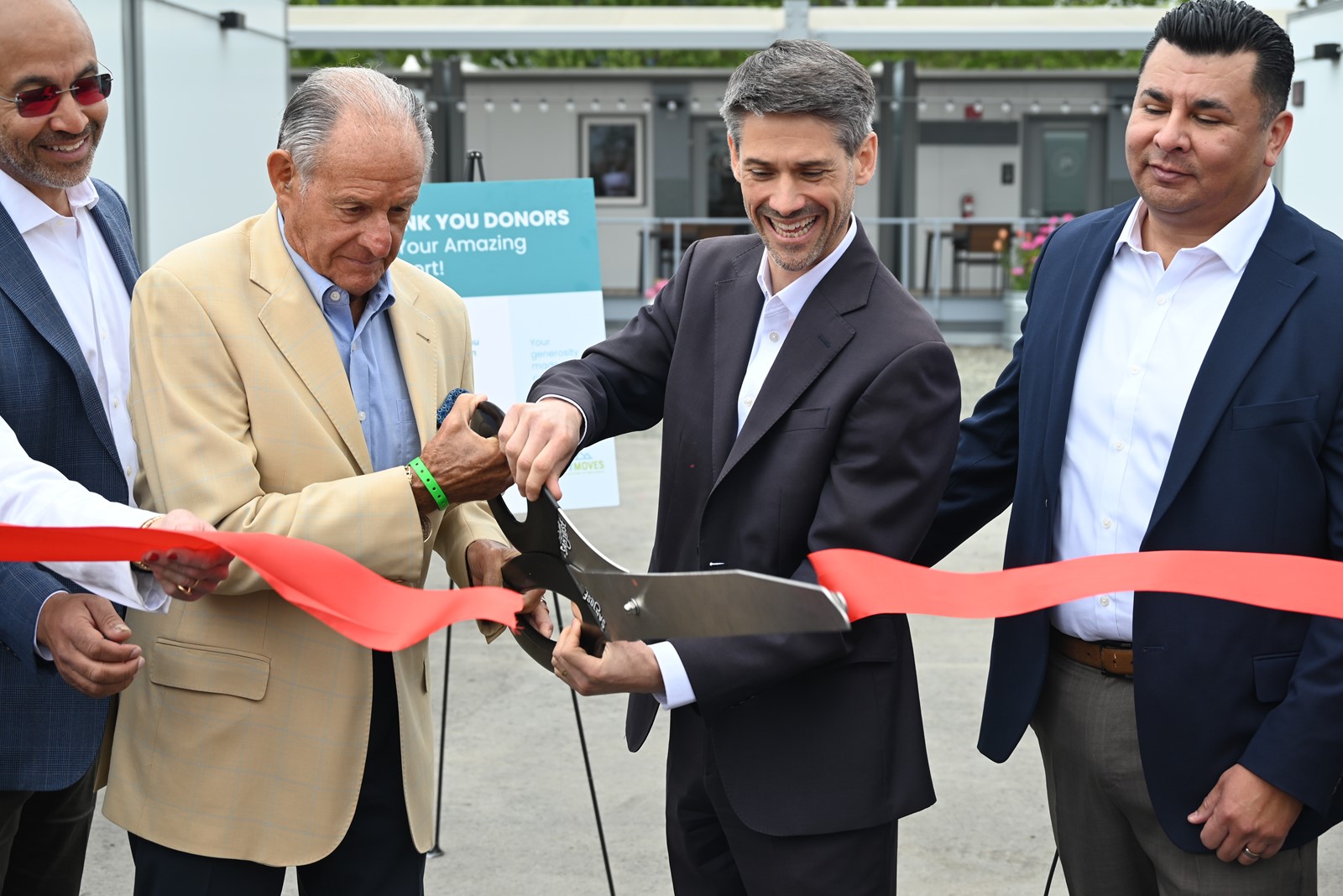
In the South Bay, San Jose Mayor Matt Mahan embraced a “back to basics” strategy of building temporary housing as quickly as possible to get people off the streets.
He doubled San Jose’s shelter capacity in 2025, adding more than 1,100 new beds at tiny homes, converted hotels and other sites. It represented a U-turn from other Democratic mayors who insisted on a “Housing First,” approach of building permanent housing, which can take years and cost millions of dollars.
Mahan’s pragmatic plan also involved tough love: Paying people for their old, lived-in RVs, clearing out encampments along creeks, and in a move opposed by some county supervisors, passing an ordinance in June that makes homeless people subject to arrest if they refuse shelter three times in a row.
“I don’t think it’s humane or compassionate to allow people to live and die on our streets when they are unable or unwilling to accept the help the city is able to offer, which is interim housing,” Mahan said.
Last year, Mahan, 43, easily won election to a four-year term that runs until 2028. The Los Angeles Times called him “a rising Democratic star.” And political analysts increasingly expect he will run for statewide office in the coming years.
9. Driverless cars take to Bay Area freeways for the first time:
Angry at the driver of that car next to you on the freeway? Check again. It may not have a driver.
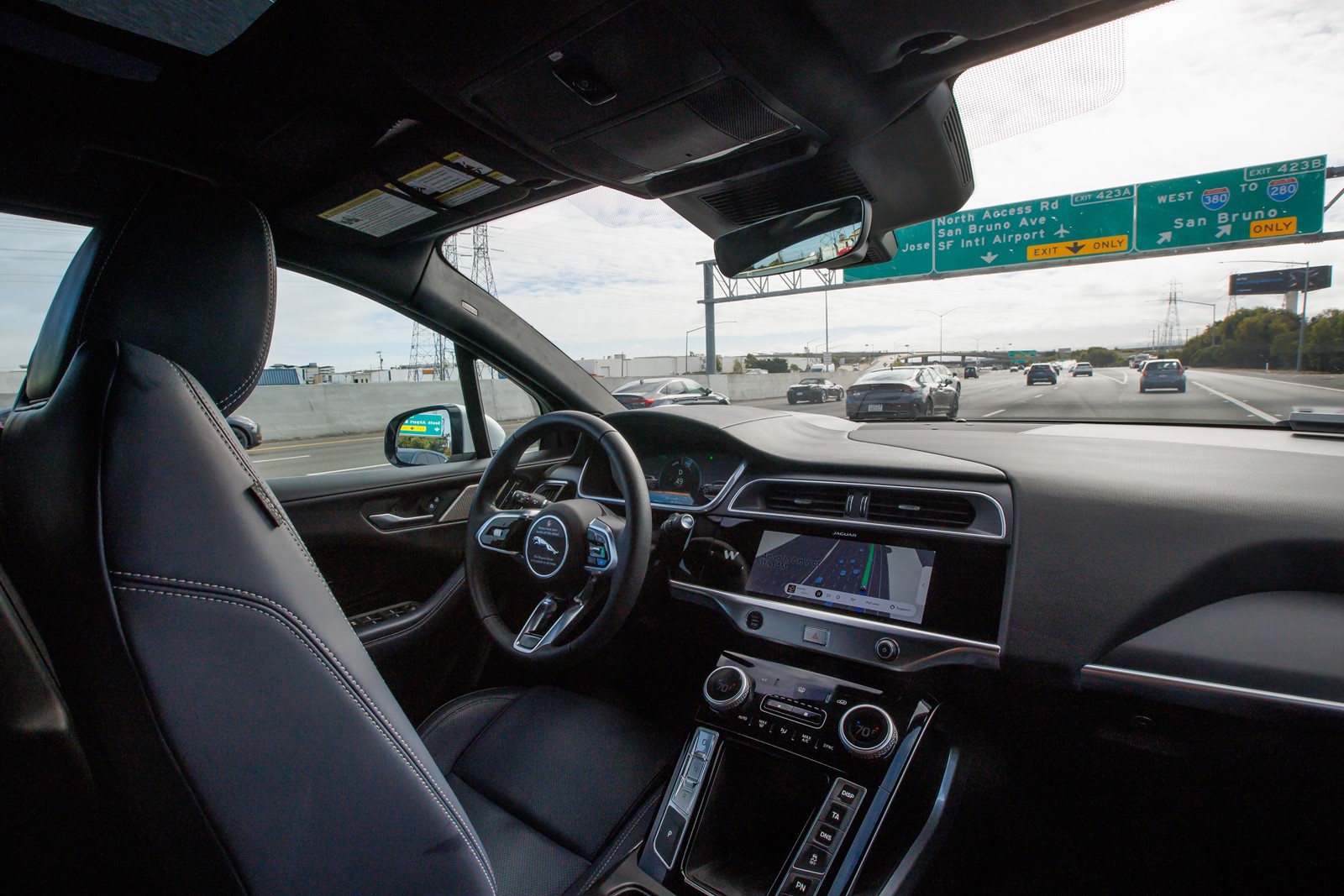
On Nov. 12, after obtaining state approval, Waymo, owned by the parent company of Google, announced its autonomous vehicles would begin taking customers on freeway rides in the Bay Area, Los Angeles and Phoenix.
Waymo is leading the driverless taxi race, but Tesla and Zoox, owned by Amazon, are now in a full-fledged battle for what analysts say could be a business worth tens of billions of dollars in the next few years.
The companies still face public skepticism. In October, a Waymo car killed a cat in San Francisco’s Mission District, sparking outrage. But supporters note the cars are much safer than human-driven vehicles, which kill 40,000 people a year in America. They don’t fall asleep. They don’t drive drunk. They don’t drive while texting.
The companies are beginning to offer service to airports and to teens as young as 14 who can use them to get to school.
In 2026, Waymo plans to expand to more than a dozen other American cities. “Running on empty” is about to take on a whole new meaning.
10. Gang fears at San Jose shopping malls:
In February, David Gutierrez, a 15-year-old high school sophomore from Redwood City, was on a Valentine’s Day date with his girlfriend at Santana Row in San Jose when he was beaten and stabbed to death. Police arrested five teenagers who they said were gang members, the youngest only 13, who mistakenly thought Gutierrez was a member of a rival gang.
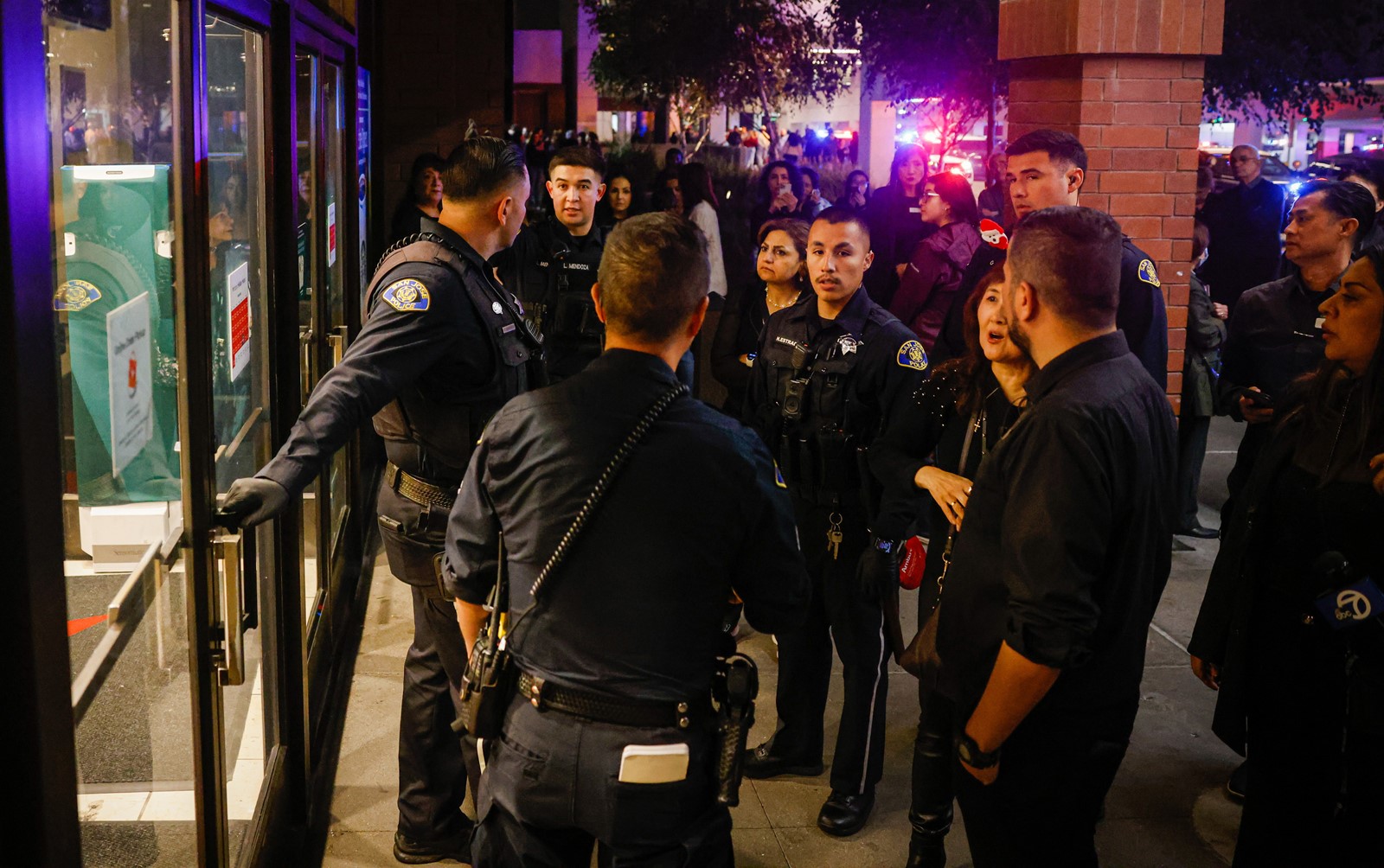
Nine months later, on Nov. 28, a gunman opened fire at Westfield Valley Fair mall nearby. The shooting near Macy’s injured three people and sent thousands running for safety amid chaos.
Santa Clara County District Attorney Jeff Rosen charged a 17-year-old San Jose man with attempted murder.
Police said the teen, already on probation for carrying a concealed gun in February, was wearing red and encountered others wearing blue, a rival gang color. Rosen said he would try to move the case to adult court, where a conviction could bring 30 years in prison.
San Jose Mayor Matt Mahan and other leaders called for tougher sentences for gang crime.
Will that happen? It’s up to Democrats in the state legislature, who have pushed over the past decade for shorter sentences for young offenders.
But voters recalled district attorneys in Alameda and San Francisco counties over crime concerns. And Newsom is expected to run for president, a campaign where he won’t want to be called soft-on-crime.

