


3 lawmakers aiming for PM spot unlikely to close ‘huge gap’


He even gave the push a name: womenomics.
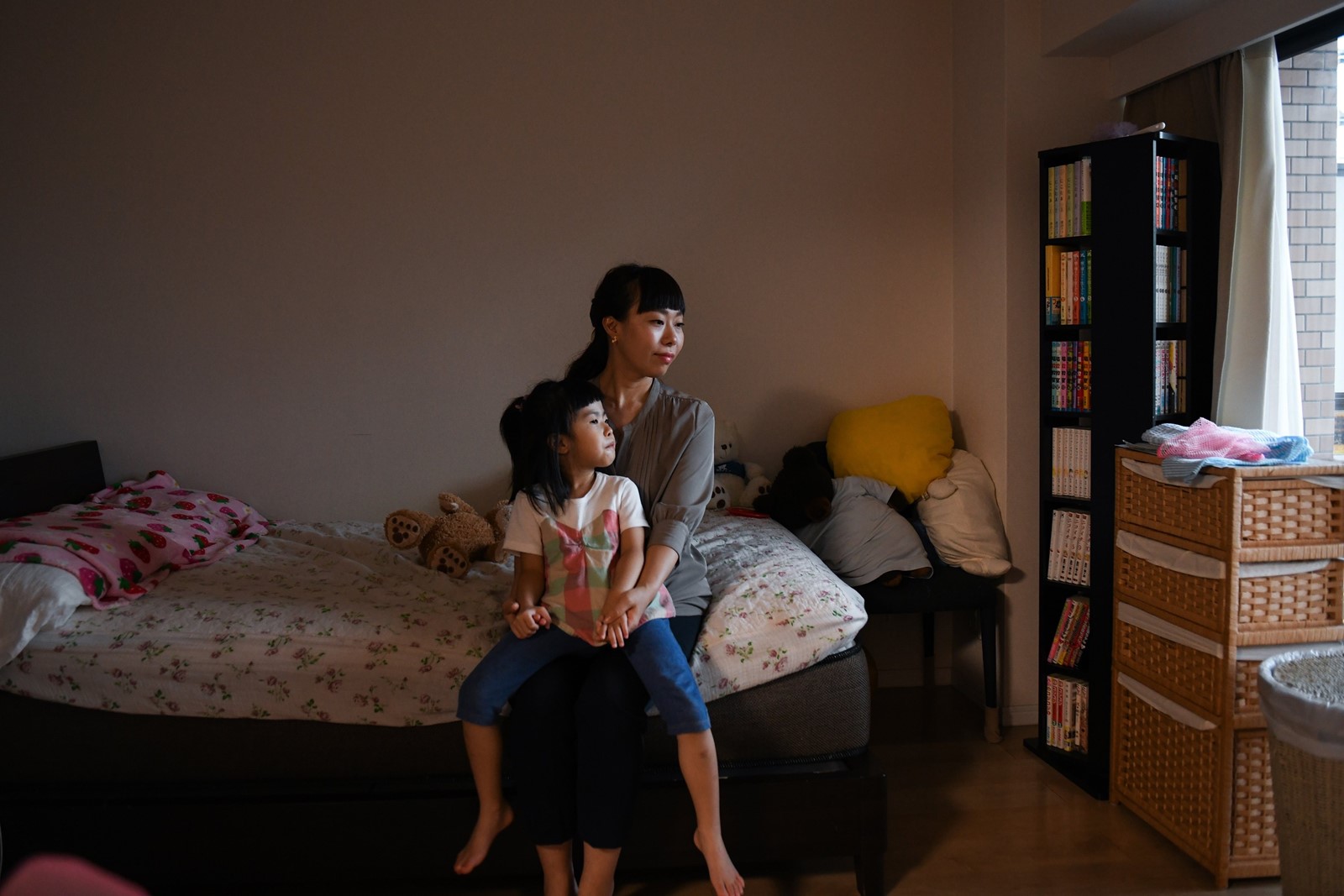
Sayaka Hojo has yet to see the fruits of those pledges.
Hojo, 32, the mother of a young daughter, has had three different employers during the nearly eight-year tenure of Abe, who said late last month that he was leaving office. In all of those jobs, Hojo worked mostly with women but was overseen by men — a still-common situation in Japan that belies Abe’s promise to significantly increase the share of women in management roles.
And Hojo, like many women in Japan, cannot accept a full-time job even after Abe pushed through a law intended to ease Japan’s brutal work culture. Because she shoulders the bulk of housework and child care, the hours at work would be too demanding.
“If there are talented, competent women who get married or have children, their career paths are derailed,” Hojo said.
Of Abe’s flowery rhetoric about elevating women, she added: “I saw a huge gap between what he said and what was really happening.”
As Abe ends a record-long run in office, one of the more consequential entries on his list of unfulfilled aspirations is his goal of promoting women in the workforce to address dire demographic problems like a declining and aging population.
None of the three lawmakers vying to replace him as Japan moves toward picking a new leader Monday — including the front-runner, Yoshihide Suga, Abe’s chief Cabinet secretary — are seen as likely to drastically change the environment for women, even as the picture remains grim.
Women hold less than 12% of corporate management jobs, well below Abe’s original 30% target, according to government data.
And while the percentage of women in the workforce rose during his prime ministership to an all-time high of 52.2%, more than half of them work in part-time or contract jobs that offer few benefits or paths to career advancement.
Those workers have also suffered the most during the pandemic, losing income and working hours.
Although many women are getting back into the workforce, it’s often for “an odd job to put a little extra money into the household pocket,” said Nobuko Kobayashi, a partner at EY Japan, a consulting firm.
“So do we really call that womenomics in the sense that it’s augmenting the status of women in society?” she said. “No.”
Abe did shift the tone from previous leaders who had declared that a woman’s rightful place was in the home.
And in one area, women have made noticeable progress: By 2020, more than a third of hires for management-track jobs in central government ministries were women, up from less than a quarter in 2012.
But many women still struggle to find adequate child care, even after Abe promised to eliminate waiting lists for public day-care centers by 2020.
As of earlier this year, there were still nearly 12,500 children on waiting lists, even as the number of babies born in Japan fell to the lowest level in close to 1
Among single mothers, the poverty rate has worsened under Abe. More than half fell below the poverty line in 2019, up from nearly 45% when Abe became prime minister in 2012, according to the Japan Institute for Labor Policy and Training, a think tank.
To many women, Abe showed his true colors on two cultural issues: his repeated demurral on a growing push to change a 19th-century law dictating that married couples use one surname, and his emphasis on the “importance of the male succession” as a majority of the Japanese public supports allowing a woman to become emperor.
Women’s halting progress in society is in part a product of their deep-rooted underrepresentation in politics.
All three of the lawmakers vying to replace Abe as prime minister are men. Two women initially indicated they would be interested in running but quickly dropped out after failing to gain support.
Women represent less than 15% of lawmakers in Japan’s parliament.
“The main reason for Japan’s shockingly low numbers of women politicians is the LDP’s failure to recruit and nominate women,” said Gill Steel, a professor of political science at Doshisha University in Kyoto and the editor of “Beyond the Gender Gap in Japan.”
“Abe presided over this situation and did nothing to change it,” she said.
 PREVIOUS ARTICLE
