


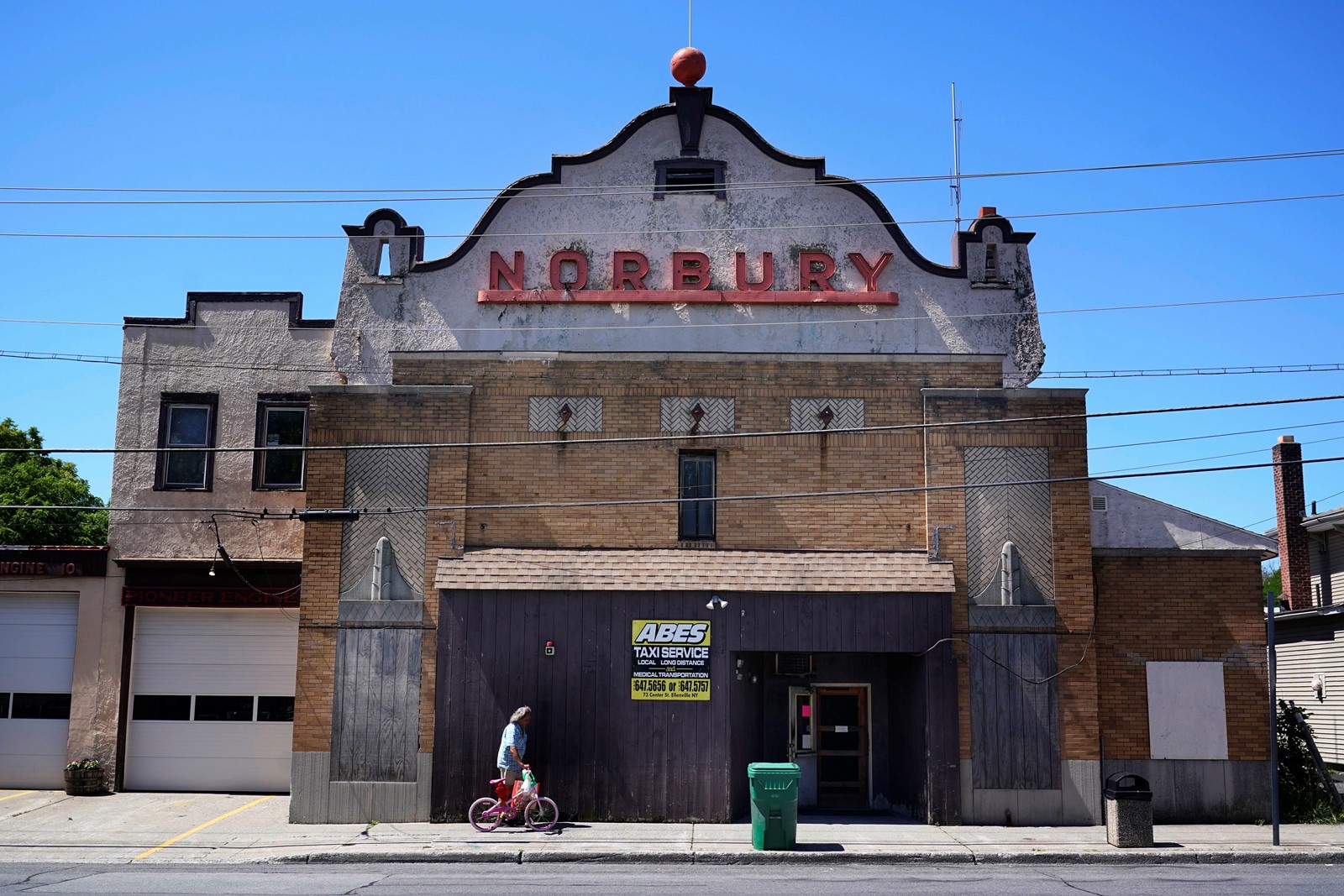


Annette Steele isn’t destitute or unemployed. But for a year, the special education school aide will be receiving $500 per month in no-strings-attached payments as part of an experimental universal basic income program in upstate New York.
Places from Compton, California, to Richmond, Virginia, are trying out guaranteed income programs, which gained more attention after the coronavirus pandemic idled millions of workers.
During the pilot program in New York, funded by private donations, 100 Ulster County residents making less than $46,900 annually will get $500 a month for a year. The income threshold was based on 80% of the county’s average median income, meaning it includes both the poor and a slice of the middle class — people who face financial stress but might not ordinarily qualify for government aid based on income.
For researchers, the pilot could give them a fuller picture of what happens when a range of people are sent payments that guarantee a basic living.
For Steele, 57, it’s a welcome financial boost that helped her pay for car insurance and groceries.
“It lessens my bills,” said Steele, who lives in the village of Ellenville with her retired husband. “People think because you’ve been working so many years, that you make this tremendous amount of money. But no, actually.”
The first payments were made in May. Recipients of the money can spend it as they wish, but will be asked to participate in periodic surveys about their physical health, mental health and employment status.
The Center for Guaranteed Income Research at the University of Pennsylvania, which the school formed with the Mayors for a Guaranteed Income, is evaluating the pilot program.
Recipient Eric Luna, a 26-year-old electrical lab technician, said the money will help pay the bills at the home he recently helped his parents buy in Wallkill. But he also hopes to set some aside, possibly for a master’s degree.
“I’m also learning how to save money as well,” he said. “So this will be a learning experience.”
There were more than 4,200 applicants for the program in a county of 178,000 people. Center for Guaranteed Income Research co-founder Stacia West, who is evaluating more than 20 such pilot programs, is interested in seeing how spending compares to cities like Stockton, California, where more that a third went for food.
“Knowing what we know about barriers to employment, especially in rural areas, we may see more money going toward transportation than we’ve ever seen before in any other experiment,” said West, also a professor at the University of Tennessee College of Social Work.
Proponents of guaranteed incomes say recipients can decide how to spend the money best — be it food, job searches or to replace a refrigerator. The money can complement the existing social safety net, they say, or can be used as an emergency response when the economy starts tanking.
The end goal for a number of advocates is a universal basic income, or UBI, which would distribute cash payment programs for all adults.
Drake University economics professor Heath Henderson is concerned the programs miss needier people less likely to apply.
“If we keep thinking about remedying poverty in terms of just throwing cash at people, you’re not thinking about the structures that kind of reproduce poverty in the first place, and you’re not really solving the problem at all,” Henderson said.
 PREVIOUS ARTICLE
