


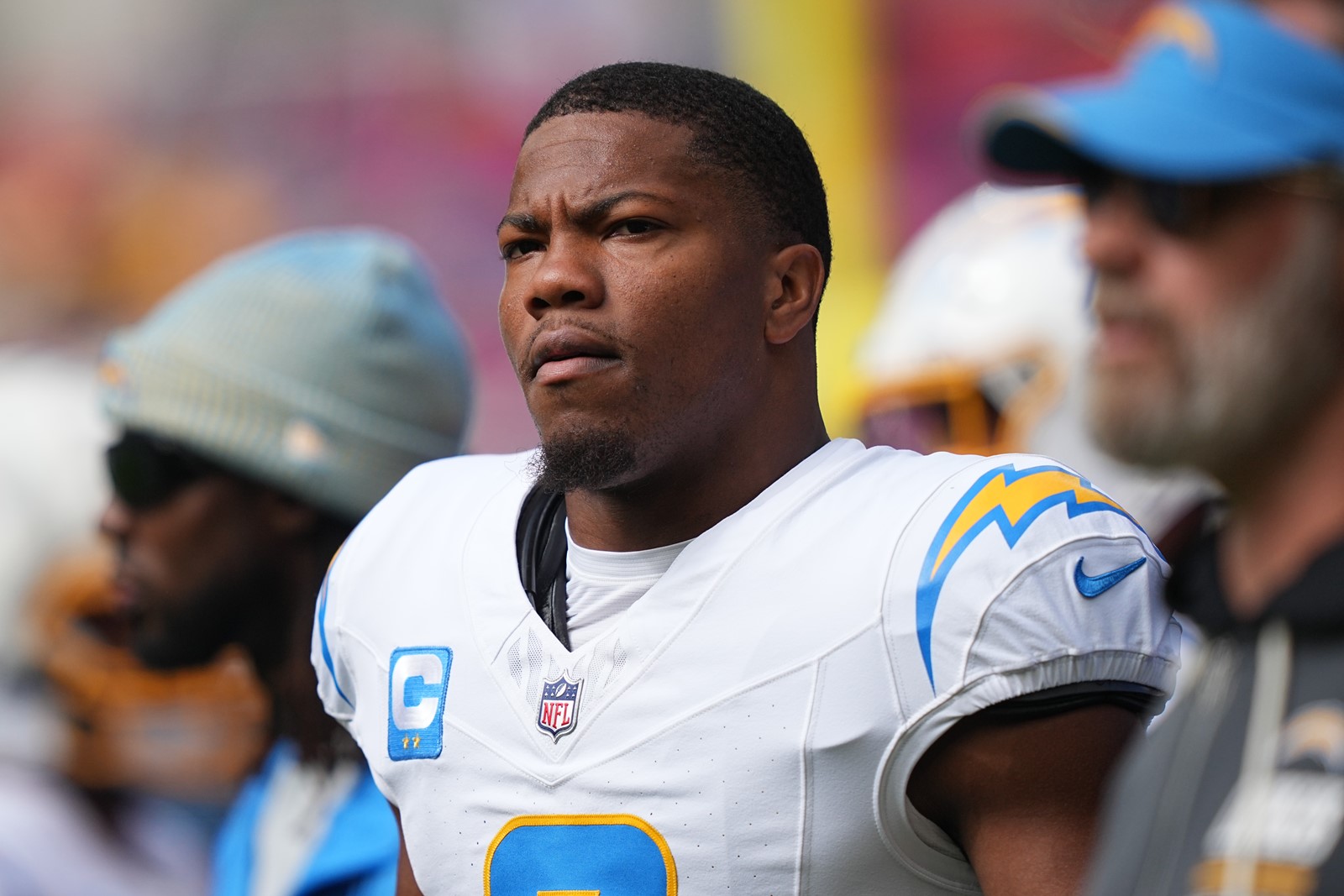
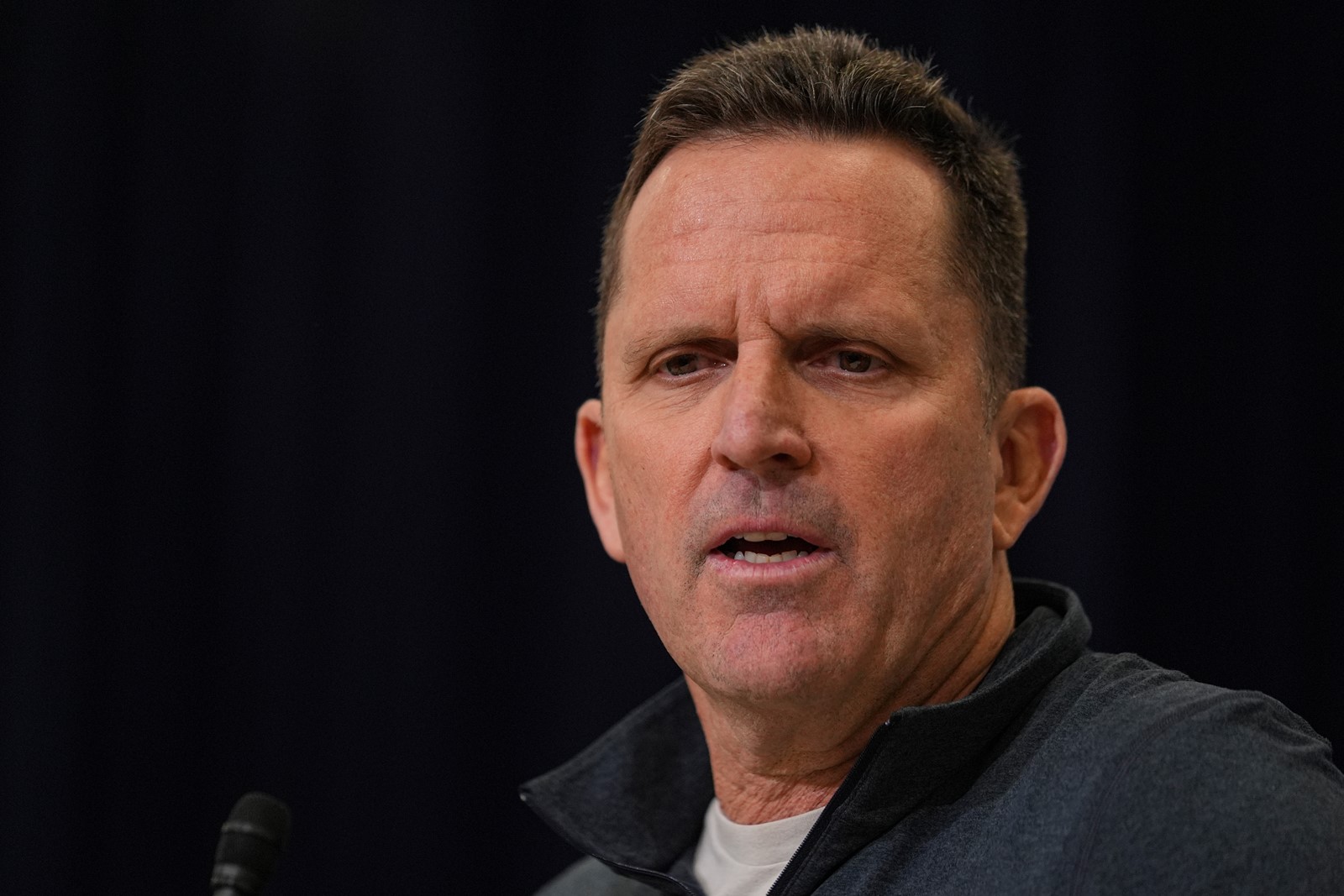


On Tuesday afternoon, the Broncos appeared to have added a healthy, 26-year-old linebacker to their Super Bowl equation. By Thursday midday, the situation had devolved into chaos.
Denver’s trade for Los Angeles Chargers linebacker Daiyan Henley was voided Wednesday night after Henley failed the team’s physical examination earlier that day, multiple league sources told The Denver Post.
The next day, Chargers coach Jim Harbaugh said the Broncos approached Los Angeles after Henley’s physical and expressed discomfort with the original trade compensation — a 2027 fourth-round pick and a 2028 fifth-round pick. Denver, however, would approve Henley’s physical and finalize the trade if Los Angeles agreed to lesser compensation.
The Chargers declined the revised offer, prompting Denver to back out. The Broncos consulted the NFL during the process Wednesday, asking whether they could revisit the compensation to complete the trade, a league source told The Denver Post. The league approved of Denver’s process, the source added.
Harbaugh said he believes such renegotiations should not be allowed, calling the situation a “loophole” that “sets a bad precedent.”
“It shouldn’t be (allowed). But apparently it is,” he added. “Teams should not have the ability to do that. It’s a medical grade, it’s a pass-fail for a medical grade. They told us they weren’t going to pass him if it was a fourth and a fifth, which was agreed upon. They’d pass him for a fourth and a fill-in-the-blank.
“Medical grades should be passed on pass-fail, what the medical grade is. Not being used by an organization to get less compensation for a trade that was agreed upon.”
Harbaugh asked the NFL to look into the issue. The Denver Post spoke with former NFL doctors and medical staffers, along with other league sources, to better understand how the trade could have unraveled.
How does the NFL’s physical examination process work?
NFL trades are contingent on a player passing the acquiring team’s physical. When a player reports to his new club’s facility, the team’s medical staff typically conducts a comprehensive examination. The team also gains access to more of the player’s medical records than before.
Once a player is acquired, officials can review records, treatment history, imaging and examinations they previously did not have access to. Teams can also request additional imaging or testing to provide the most complete assessment possible, Chicago Bears team physician Dr. Asheesh Bedi told The Post.
Clubs often use individualized grading systems to evaluate a player’s health, Bedi said. One team’s view of an injury can differ from another organization’s assessment. But those grades are based on common principles that account for medical history, physical examinations and imaging, Bedi added.
Multiple league sources say the Broncos’ medical staff is regarded as one of the more thorough and cautious groups in the league. The team can also bring in outside specialists to evaluate specific medical concerns. Denver did that with Henley, and the third-party medical expert agreed with the team’s assessment of Henley’s knee, a league source told The Post.
“There’s no substitute for an in-person evaluation and an in-person examination,” said Dr. Matthew Provencher, a surgeon at The Steadman Clinic in Vail and a former New England Patriots medical director and head team physician.
What was the issue in Henley’s physical?
During his four-year career, Henley has missed just three games. He’s rarely been injured in Los Angeles and has played in every game this season.
But a red flag involving Henley’s knee emerged during the Broncos’ evaluation, multiple league sources told The Post. A league source told The Post that Denver’s examination findings did not match what the team had been told by the Chargers in the lead-up to the trade.
In 2019, Henley sustained a season-ending knee injury while playing at the University of Nevada. He has occasionally appeared on the Chargers’ injury report with knee issues, including in recent weeks.
Provencher said teams are particularly concerned about knee injuries that could cause problems over time. Common red flags include ligament deficiencies, ACL injuries, significant wear and tear in the meniscus and cartilage damage that can lead to arthritis.
Most NFL players deal with some variation of injuries throughout their careers, particularly knee injuries, which are the most common type of injury in the league.
The Broncos had concerns about Henley’s long-term health, ultimately pushing them away from the deal.
Has this happened before?
Yes, although the circumstances surrounding Henley’s situation are unusual.
Most recently, the Baltimore Ravens agreed to a blockbuster trade for Las Vegas Raiders star Maxx Crosby, giving up two first-round picks for the Pro Bowl edge rusher.
But after Crosby arrived in Baltimore for his physical, the Ravens’ medical staff raised concerns about a degenerative issue and his long-term knee outlook. Crosby had undergone meniscus surgery in January 2026 and told reporters later that month his recovery was going “great.”
The Ravens ultimately failed Crosby on his physical and voided the trade March 10. The next day, Baltimore signed edge rusher Trey Hendrickson to a four-year, $112 million contract, prompting criticism from around the league over the sequence of events.
Several outlets reported that league sources characterized the Ravens’ move as “shady” and “bad business,” suggesting Baltimore had buyer’s remorse over the Crosby trade and wanted to avoid surrendering draft compensation. General manager Eric DeCosta said he was gutted by the failed physical and maintained that the team’s plans to sign Hendrickson were independent of the Crosby deal.
But that situation unfolded during the NFL’s free agency period, when teams still had opportunities to pursue other players. A failed trade at the deadline presents a different set of complications.
In 2017, the Seattle Seahawks and Houston Texans amended their trade for left tackle Duane Brown after cornerback Jeremy Lane failed his physical with Houston. Seattle originally agreed to send Lane, a 2018 fifth-round pick and a 2019 second-round pick to Houston for Brown. After Lane failed his physical, the Seahawks agreed to remove him from the deal and send a 2018 third-round pick and the 2019 second-rounder instead. Houston also included a 2018 fifth-round pick in the revised agreement.
The Texans also backed out of a proposed trade in 2022 after Miami Dolphins tight end Adam Shaheen was flagged for a preexisting knee condition during his physical. Miami subsequently placed Shaheen on injured reserve, and he underwent knee surgery.
But the Henley situation has a unique wrinkle: It unfolded at the trade deadline.
Because the deal was agreed upon within hours of the NFL’s 2 p.m. Nov. 10 deadline, the Chargers had no opportunity to find another trade partner for Henley. Los Angeles general manager Joe Hortiz faced a difficult decision: decline Denver’s revised offer and bring back Henley, a pending free agent, or accept a lesser package for the young linebacker.
He chose the former, killing the deal.
Is there a ‘loophole’ in the NFL’s system?
Harbaugh and Hortiz both characterized Denver’s maneuvering as a loophole in the system. The Chargers’ general manager said he has already received calls from league colleagues expressing frustration over what happened.
“I wouldn’t be surprised to see proposals made about closing the loophole from teams in the league,” Hortiz told outlets, including The Athletic.
Multiple league sources told The Post that the NFL should review its rules surrounding trade acquisitions. The league has historically allowed teams to amend draft-pick compensation after the trade deadline, but Denver’s attempt to renegotiate after Henley’s physical has raised questions about how to use that flexibility
 PREVIOUS ARTICLE

