




To my sons,
I’m sending this letter to you in the year 2040, 20 years after an outbreak of coronavirus hit the world. Perhaps the disease will have picked up some name in the intervening years, maybe The Great Virus or The 2020 Pandemic, or, as a scarier possibility, maybe we’ve forgotten entirely how momentous these spring months were.
Either way, it will be difficult for you to understand what it was like at this exact moment. I suspect even our memories will have changed. Our brains will have molded the experience, as they do with the pain of childhood, to fit the result. If matters worsen, perhaps May of 2020 will gain a rosy, idyllic glow. If there’s an abrupt turnaround, maybe it will seem like the depths of our despair.
There’s value in knowing what it was really like for us, though, so I’m trying to corral my thoughts, which lately rampage through my head like
I suppose it’s fair to say these last few months have been, if nothing else, profoundly weird.
At first, our lives were about buying, getting, storing,
We didn’t leave our houses, some of us, for days, weeks, months. We relied on the millions of people who’d been laid off from their jobs to deliver our groceries, our board games and our puzzles,
The weather was about as
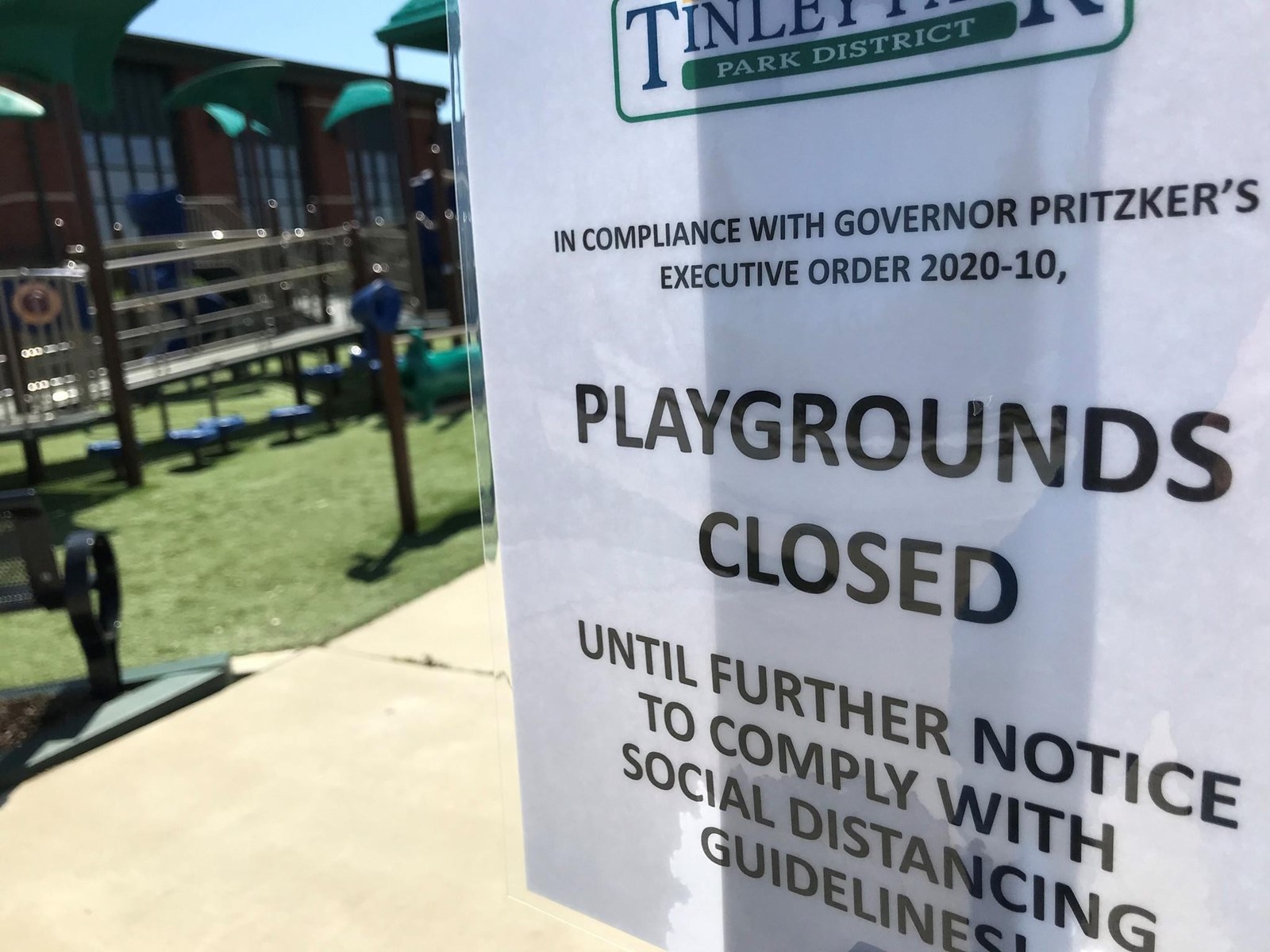
Everything — schools, businesses, restaurants, city halls and playgrounds — was shut down. Though some disobeyed, the streets were eerily quiet most days. You could, and someone did,
Then, quickly, the disease became politicized. Liberals argued that closing businesses and forbidding large gatherings furthered public safety and said easing restrictions should only come at scientists’ recommendations. They wanted to reduce deaths as much as possible.
Conservatives argued that continued economic suffering would lead to other kinds of suffering, said people would die from poverty and isolation. Some wanted the freedom to choose whether or not to isolate, wear masks and use social distancing to reduce the virus’ spread.
Reading this now, you might think that we would have been able to see the reasonable nature of both arguments, that we would be able to acknowledge the feelings of the other side and engage in rational debate. But you would be wrong.
Instead, we just yelled at each other, on social media and in real life. We brought
Underneath it all was a a black hole of terror tugging at our sanity.
There were some of us, as there always are, devoted to fighting that fear with good. Some of us
I hope that decades later, we will all be honest with ourselves about who we chose to be during this time. Did we choose to hurt? Or did we choose to comfort?
If, initially, we chose the easier, dark path, maybe we decided at some point to altered our outlook, began begin to see those around us as nothing more or less than fellow humans, all trying our best, all struggling together in this dark night in our world’s history. Maybe.
As for how this time will have changed you, my boys, I keep thinking about an earthquake, one that hit the village in Greece where we were living when I was about your age, Christian.
I remember seeing the glass bottles of soda rattling around the refrigerated case in my great aunt’s coffee shop. I remember hopping from one foot to the other, my head spinning from carnival-ride dizziness. The ground seemed to rise up to meet me, tipping me in time to its own beat.
My father, your grandfather, remembers being in our house, a walk of a few minutes from the coffee shop. When the earth started shaking, he tore out to look for me. He fell repeatedly, couldn’t keep upright, terror pushing him through the streets. When he finally got to me, he said, I’d made my way outside the coffee shop.
“You were dancing and laughing,” he said whenever he told the story, amazement coloring his tone.
I hope that when we get through the events of this year, if we do get through them unscathed, you will retain the kind of memories of the coronavirus pandemic that I do of the earthquake. I hope I’m the only one who remembers the fear. I hope you remember the videoconferencing bedtime stories, the rainbow sprinkle pancakes for dinner and the way your aunt decorated the garage with a giant “happy birthday” sign.
At the very least, I hope you’re oblivious to the negativity spawned by the fear and the loneliness many of us feel. I hope you can, in the dispassionate future, learn the lessons this time tried to teach us but suffer none of the scars the rest of us will wear.
 PREVIOUS ARTICLE
