


Guest Column
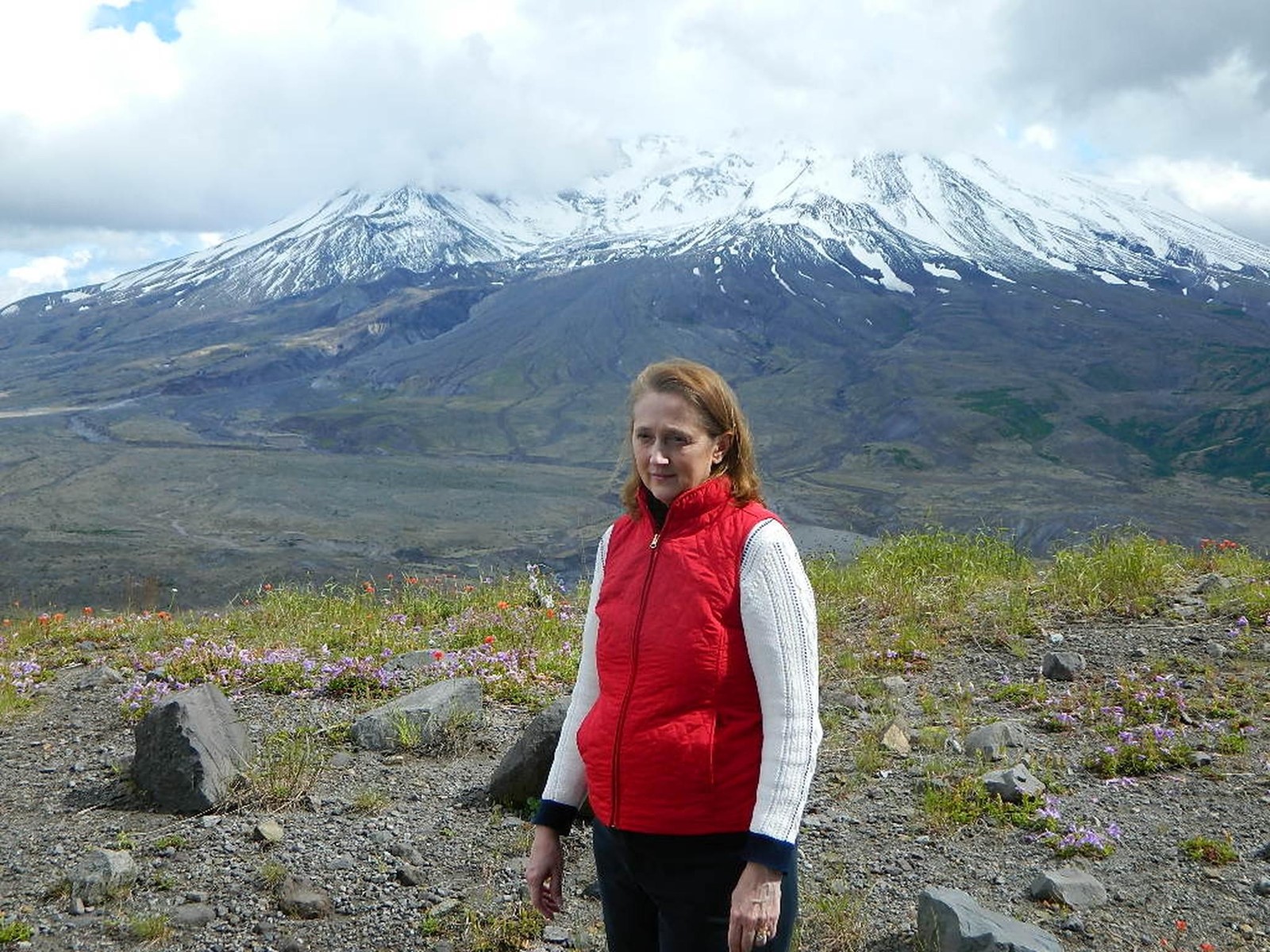
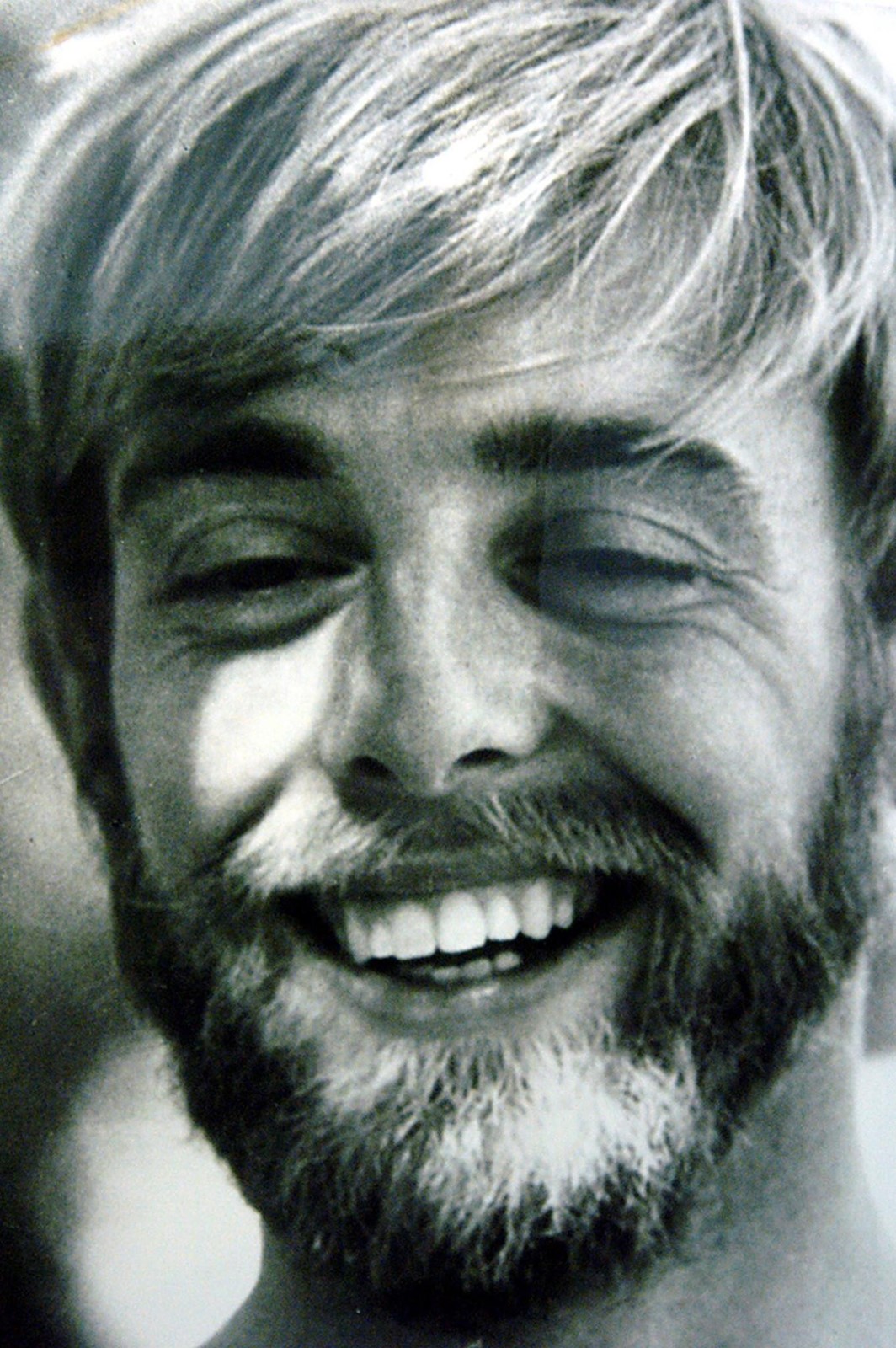


On the 40th anniversary of the eruption of Mount St. Helens, we pay tribute to David Johnston, who grew up in Oak Lawn and attended Richards High School before making his way to Washington state where he became an integral force in spring 1980.
David’s was the first volcanologist’s voice captured by the media after the initial explosion in March, weeks before the May 18, 1980, eruption. Standing on the mountain’s flank, he spoke into a microphone: “It’s like a keg of dynamite with its fuse lit, but we don’t know how long the fuse is.”
Less than two months later, his voice were heard round the world; from an observation post 5.7 miles from the mountain’s summit, he saw the beginning of the eruption at 8:32 a.m. and radioed his colleagues: “This is it!” He was killed on the ridge that now bears his name.
The Oak Lawn native whose work helped save thousands of lives is a bit of a legend in the area where he died. But in the village where he grew up, his story is mostly forgotten, but for those who knew him or his family. Even many of those who have played baseball on the fields surrounding the David Johnston Community Center, part of the Oak Lawn Park District, haven’t heard of him.
I met David’s sister when we were neighbors, each with two young sons. We’ve shared much over the decades, but talk of her brother wasn’t one of them; until 2015, when the topic of telling his story came up innocuously. With the family’s blessing, and with help from David’s childhood friends, his colleagues, and even his University of Washington thesis adviser, I followed the trail toward painting a picture of who David was — a nature-loving Illinois boy who followed a circuitous path toward studying the dangerous science of explosive volcanoes. His tragic death has been documented; but he lived 30 years before that fateful day, and there is much to learn from this man’s life. My book, “A Hero on Mount St. Helens: The Life and Legacy of David A. Johnston,” came out from University of Illinois Press in 2019.
The article that begins the book’s title is crucial — it is “A” hero, not “The” hero. David was one of 57 people who died as a result of the eruption, but that number would have been much higher if not for a team of scientists and law enforcement who kept people from getting too close to the mountain. And in the aftermath of the destruction, there were many other heroes, including search and rescue teams who plucked people from hot ash, one of whom spoke of his experience flying rescue missions in Vietnam.
There is another important link between Oak Lawn and Mount St. Helens. The conduit again is David, who was a senior in high school when an F4 tornado raked through his hometown in April 1967, killing 33, including a girl from Richards. Atmospheric science was not advanced enough to afford warnings for those in or near Oak Lawn that day, and this realization would have left a permanent imprint on David’s psyche. With similar circumstances in 1980 at the mountain, with volcanology not advanced enough to anticipate the destruction about to unfold, David was spurred to speak up about what he saw. That’s what scientists do. They tell you what they see, and what it could mean. Which is what we have happening with the COVID-19 pandemic.
If not for COVID, first and foremost, my mother would still be living. She died of the coronavirus while living in a nursing home. On a professional level, I would be standing at the mountain today; a trip I’d been planning since I embarked on the journey of telling the story of the man and the mountain. The Mount St. Helens Institute had an array of events planned for the 40th anniversary, what they dubbed the “Eruptiversary,” including an appearance by Bill Nye. I was scheduled to do a book talk at Coldwater, on the ridge where David died. Last year, when I launched the book at the mountain, people thanked me for writing about him. All these years, they’ve wanted to know more about the man they credit with so much.
Instead of a live book talk, the MSH Institute hosted a Facebook Live event where I and Emmy-award winning journalist and scientist Jeff Renner spoke, and compared the events of 1980 to what we are seeing today with the pandemic. Closures at the mountain threatened people’s freedoms, road blocks denied access to their cabins, and their livelihoods — heavily dependent upon tourism — were at risk. There were those who rejected the views of scientists. There were protests. And there were those who got too close, including a caravan of cabin owners, whose pressure on the governor resulted in their access to the Red Zone the day before the eruption.
Midwesterners don’t discuss volcanoes over dinner. But America is second on the list of countries with the greatest number of active volcanoes; second only to Indonesia. When Mount St. Helens erupted, ash moved east, turning day into night as far away as Spokane and into Montana. Ash closed airports as far away as North Dakota and damaged crops across the states. Debris flow almost blocked cooling-water intakes at a nuclear power plant. Just imagine — a possible nuclear disaster! This is why it’s important for all Americans to understand this science a bit better.
 PREVIOUS ARTICLE
