


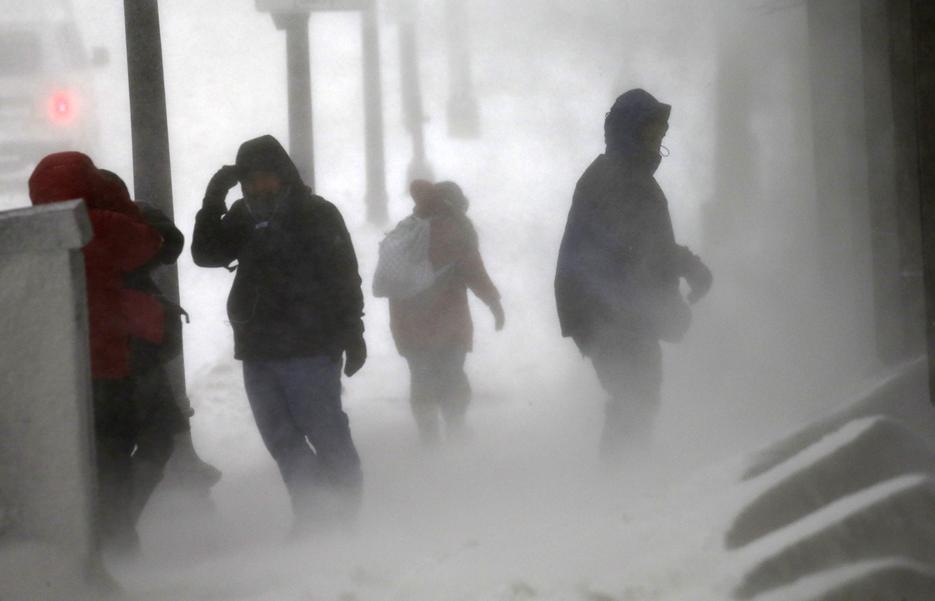
Q: In the event of a major snow storm, employees where I work are given a choice to come to work, or to stay safe at home. If the employee chooses to not go to work, the hours are deducted from their paid time off — or PTO — pool. There have been two instances when employees have been directed to not go to work. What, if any, are the laws for protecting earned paid time off in these instances?
A: I posed your question to Valerie Samuels, an employment lawyer with Posternak Blankstein & Lund LLP in Boston. She said the answer depends on whether the employee is exempt or non-exempt. These terms refer to a federal law called the Fair Labor Standards Act, or FLSA, which governs the payment of wages and overtime. Exempt employees are typically paid on a salary basis and do not receive overtime. The majority of exempt employees are executives, professionals, or certain types of administrators. Non-exempt employees are paid by the hour and must be paid overtime for hours worked in excess of 40 each week.
If the office is open and an exempt employee chooses not to come to work, the employer may deduct up to a full-day’s pay from his or her salary. The employer also has the option to deduct from accrued vacation. But if the employee has worked a partial day, and the office closes early or the worker leaves early due to worsening weather, the employer cannot deduct anything. If the employee has no accrued vacation or other PTO, the employer can deduct the hours retroactively after the employee has accrued additional time.
An important exception to this is when an employee leaves early but works from home or remains at home and works a full day. If an exempt employee is busy answering e-mails and completing other work, then he or she is considered to be working and nothing should be deducted from vacation or PTO.
The situation is different for non-exempt employees because they are paid only for the time they actually work. While some employers may not dock time missed due to weather, a company does have the option to deduct the time from accrued vacation or PTO. Also, if the employer permits its non-exempt employees to work from home, the hours worked on a snow day must be paid in the same manner as if the employee had been in the office. These hours also are counted toward time worked for overtime purposes.
Finally, Massachusetts requires that employees who are scheduled to work a minimum of three hours and who report to work must be paid for at least three hours at the current minimum wage rate, even if the company closes early due to inclement weather. Employers that are deemed charitable organizations under federal law need not pay their employees under this circumstance.
Pattie Hunt Sinacole is president of First Beacon Group in Hopkinton.

