


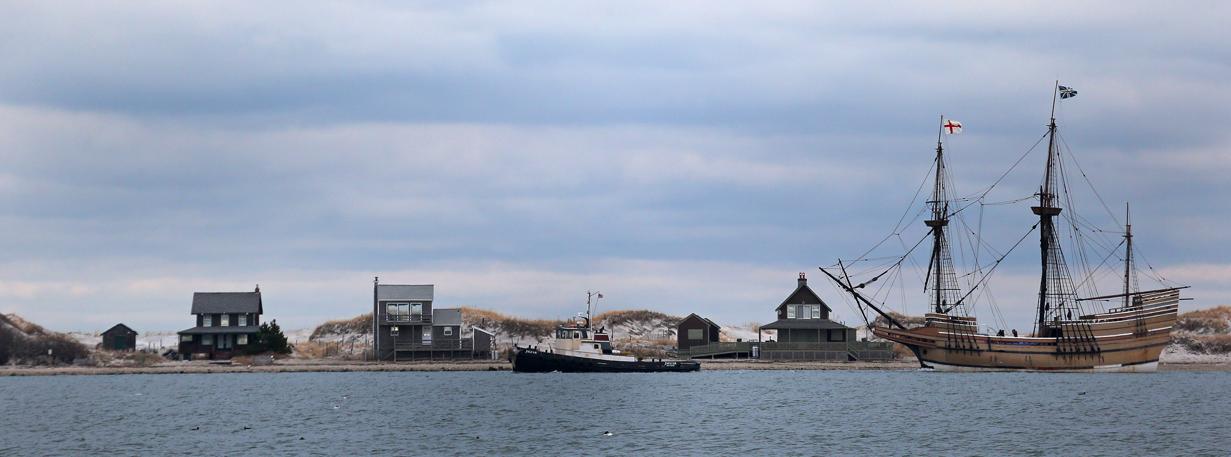
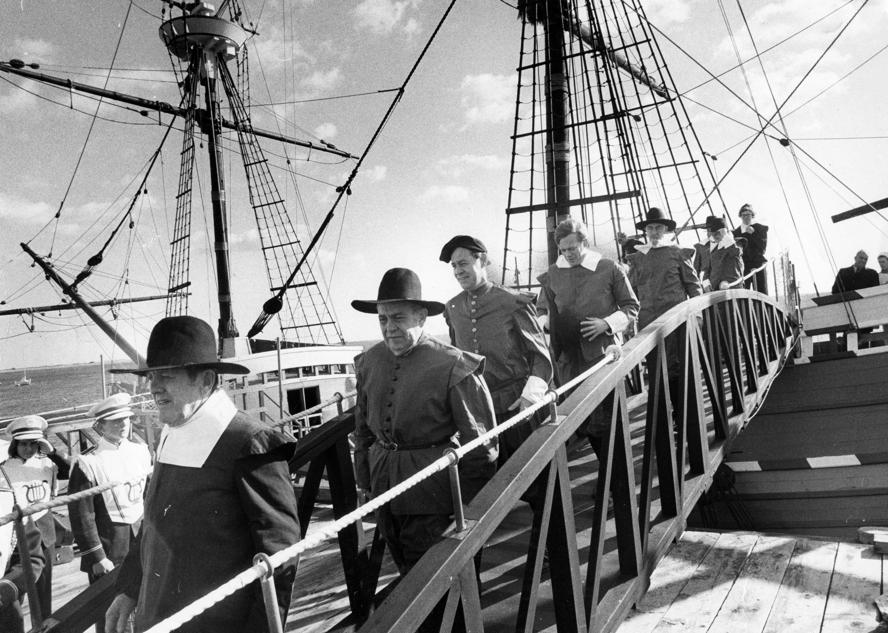
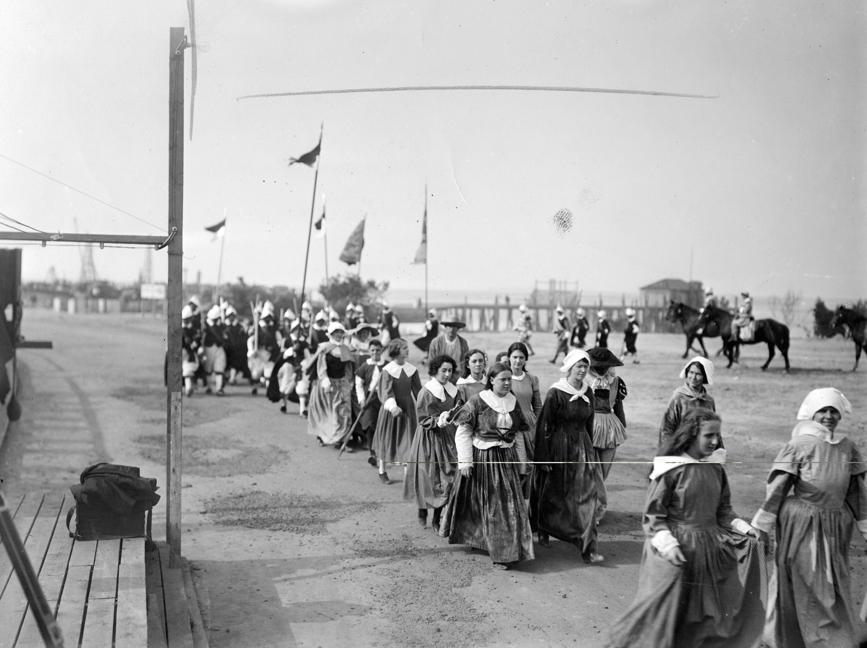
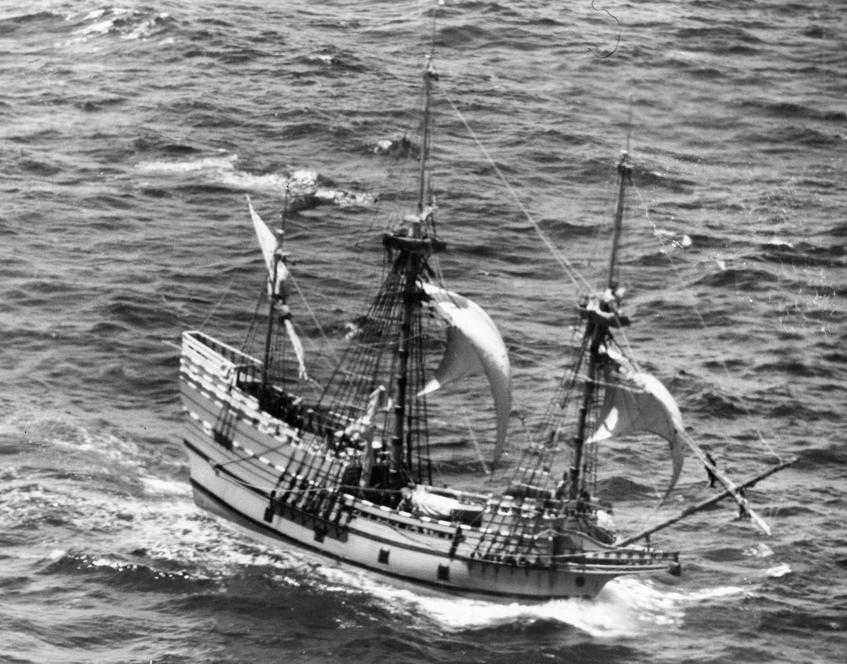
Debra Catania recently got a call from a British tour operator requesting room reservations at her Plymouth boutique hotel for 2020, the year marking the 400th anniversary of the Pilgrims’ Mayflower voyage and the founding of Plymouth Colony.
Catania, owner of the John Carver Inn & Spa, told the operator it was too soon, to try her again next year.
“That is telling me that excitement is growing for it,’’ Catania said.
Yet it’s not too early for the people putting on the 2020 party. If anything, Plymouth 400 Inc., is rushing to get commitments from the state government and private companies to help fund the estimated $16 million cost of the events that will take place over a 14-month period.
And to rope in broader support, the organizers are pitching the Plymouth commemoration as but the first in a number of historical anniversaries that Massachusetts could turn into a tourism bounty. In 2025, the city of Quincy will celebrate its quadricentennial, followed by Salem in 2026 and then Boston in 2030.
“I saw the potential for economic impact in having a platform of these anniversaries in the next few years,’’ said Michele Pecoraro, executive director of Plymouth 400, who wants the larger promotional campaign to be called Massachusetts 400. “In order to get any substantial state funding, we need to be working together.’’
The collapse of Grand Prix of Boston and the Boston 2024 Olympics, Pecoraro argued, leaves the Massachusetts travel and tourism industry without signature events — a void she said Plymouth and other commemorations could fill. Yet despite working on the 2020 program for seven years, organizers so far have not nailed down much money — even though the first event gets off to an early start next year.
Plymouth 400 has been allocated about $700,000 from the state’s economic development marketing arm, and the town of Plymouth has kicked in smaller amounts over the past four years, Pecoraro said. The group is also raising funds through community events and with the sale of its own license plates through the Registry of Motor Vehicles.
Pecoraro said the group’s pitch to state legislators and officials has reached Governor Charlie Baker, who she said is drafting an executive order to revamp an anniversary commission and include members from relevant private businesses, such as the travel industry.
“Corporate sponsorship will be a huge part of our resources. We need to be able to say we have a match for somebody if we’re going for a grant,’’ Pecoraro said.
“And we don’t have a lot of time. It’s very much crunch time.’’
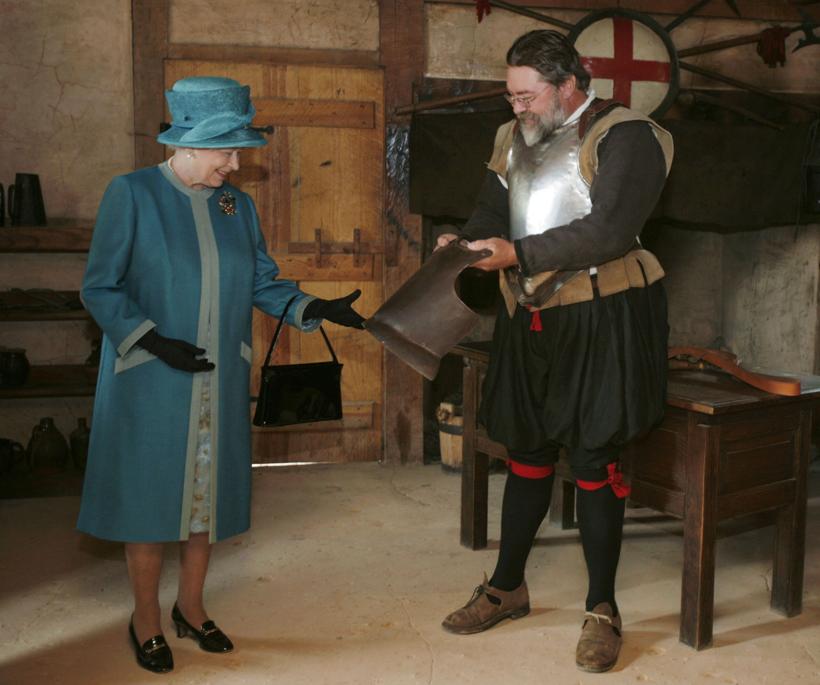
The payoff could be considerable. Plymouth organizers point to the 400th anniversary of the Jamestown settlement in Virginia, held in 2007, which attracted dignitaries including then-President George W. Bush and Queen Elizabeth II.
An economic analysis noted that 18 months of festivities around the Jamestown 400th generated $173 million in visitor spending and $22 million in tax revenue for the state of Virginia.
The first of the 400th events is a 3,500-square-foot interactive exhibit focused on the relationship between the Wampanoag people and the English colonists that will include artifacts from the era.
The exhibit will travel around the country starting next year before arriving in Plymouth in time for the commemoration. The official opening ceremony is scheduled for November 2019, launching 14 months of historical and cultural festivals, educational programs, and joint global events. The details and scope of the events are dependent on funding.
The Massachusetts group is also coordinating with Plymouth, England, where the Mayflower began its final fateful journey, which is hosting its own series of events, and with the Netherlands, where the Pilgrims had taken refuge before coming to America.
But the details and scope of events in Massachusetts are dependent on funding. The Massachusetts Cultural Council is lobbying to have $3 million from the governor’s economic development bill earmarked for the Mayflower anniversary, spokesman Greg Liakos said.
“You have to get ahead of this both on the economic development side, raising money, getting sponsorships, but also on the cultural side; our museums, they need time to create programming,’’ Liakos said. “I don’t think it’s too late, but I do think we’re approaching a critical point where we have to get the state invested in this at a critical level.’’
Part of that money would back a fund-raising campaign to raise $20 million, and $1 million would be used to commission art works, such as a permanent sculpture or monument, as well as arranging globally linked performing arts events, with matching funds already committed by organizers in England.
For Plymouth County alone, Pecoraro estimated that 2020’s signature events could attract 7 million visitors and net $2.2 billion in spending in 14 months. She based her estimates on the county’s best tourism year, 2000 to 2001, which saw about 2.3 million visitors and $600 million in spending.
The idea of bundling quadricentennial commemorations into a larger tourism campaign could work, but only if the Plymouth event comes off well, said Samuel Mendlinger, professor and director of the economic development and tourism management master’s concentration at Boston University Metropolitan College.
“What you don’t want to do is pat yourself on the back. You’re trying to tell a story, and it’s one that occurred 400 years ago, but also, what happened since then? It’s not enough to say a bunch of crazy nuts crossed the Atlantic and landed here,’’ Mendlinger said. “What keeps tourists from coming back? It’s boring or they believe they’ve been cheated either financially or they were sold a bill of goods. You don’t want this to be a single event.’’
Paul Cripps, executive director of the Plymouth County Convention and Visitors Bureau, noted the big tourism numbers for Jamestown’s 400th did not continue in the years after the celebration.
Plymouth, he said, wants its upcoming anniversary to produce increased tourism for years to come, and has already scheduled a 400th anniversary of the first Thanksgiving for 2021.
“We’re aiming high; we want to hit high, and even if that doesn’t happen, we’re still turning 400 — we’re still going to do something,’’ Cripps said.
Katheleen Conti can be reached at kconti@globe.com. Follow her on Twitter @GlobeKConti.

