




PARIS — Anne-Laure, Djamila, Justine, Guillaume, Nick and so many others — sons, daughters, mothers and fathers slain by Islamic State group gunmen and suicide bombers in Paris were fondly remembered Thursday as France commemorated the night of terror a decade ago that scarred and reshaped the country.
With minutes of silence and somber readings of the 132 victims’ names, the French capital mourned the dead and innocence it lost Nov. 13, 2015, but also proudly recalled how Parisians came together, looked after each other and slowly but surely rebounded in the wake of the three-hour series of coordinated assaults targeting the packed Bataclan concert hall, joyful cafés and the national stadium where France’s soccer team was playing.
The bloodshed was France’s deadliest in peacetime — a national trauma likened to 9/11. The night hardened France’s security reflexes while deepening a sense of solidarity that has endured a decade later. Many Parisians think in terms of “before” and “after,” and some still check for exits when they’re in crowded places.
“Ten years. The pain remains,” French President Emmanuel Macron posted as he led the day of memorials, laying wreaths at attack sites and recalling “the lives cut short, the wounded, the families and the loved ones.”
Defiance and sorrow
At the city’s Place de la République, Parisians gathered with candles, flowers and handwritten notes as they did in 2015, taking comfort in being together.
“It’s a wound that is open. For the last 10 years, we’ve been saying there was a before and an after, but what comes after?” said Paris resident Patrick Abukrat. “The threat is still there.”
Defiance went hand-in-hand with the sadness, as in 2015, when Parisians made a point of exercising their freedoms after the attacks, mustering the courage to drink again in cafés, walk the streets with their families and carry on.
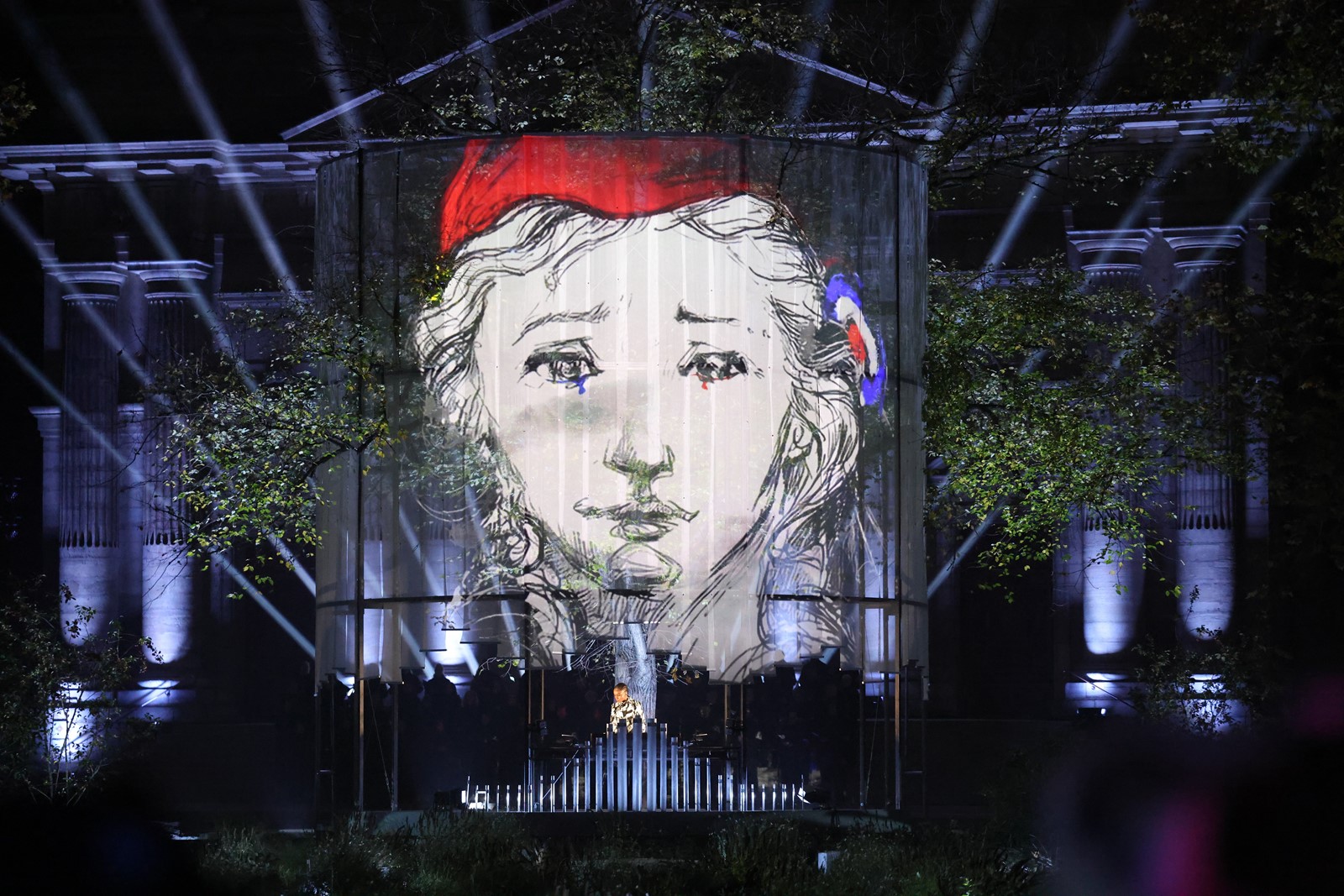
At a rousing commemoration Thursday evening, the frontman of California rock band Eagles of Death Metal that was playing in the Bataclan when it was attacked led a choir in singing “You’ll Never Walk Alone,” a show tune now best known as a soccer fans’ anthem.
“Walk on, with hope in your heart,” singer Jesse Hughes belted out.
Enduring pain
The daughter of the first person killed fought tears and described her “void that never closes.” Sophie Dias’ father, Manuel, was killed when the first bomber detonated outside the Stade de France where France was playing Germany. Speaking at the stadium gate where he was killed, she said his absence “weighs every morning and every evening.”
“My father loved life. He believed in freedom, in the simple joy of being together, of sharing precious moments with his family, and he instilled in us the values of the Republic. That’s what hatred sought to destroy. But that’s precisely what we carry with us today. Stronger than anything, despite the pain, despite the absence and this gaping hole. We remain standing,” she said.
Three bombers sought but failed to get inside the stadium. Security agent Salim Toorabally turned away one of them and, after they detonated their explosive vests outside, tended a wounded man.
“He had like these bolts (pieces of metal) lodged in his thigh,” Toorabally said in an interview with The Associated Press. “There was blood. I didn’t have gloves on, and there were pieces of flesh in my hands.”
He still speaks to the man today.
Macron and first lady Brigitte Macron — joined by Paris Mayor Anne Hidalgo — toured all the attack sites, talking to survivors and relatives of those killed, laying wreaths and standing in silence for the dead and hundreds more injured.
 PREVIOUS ARTICLE

