


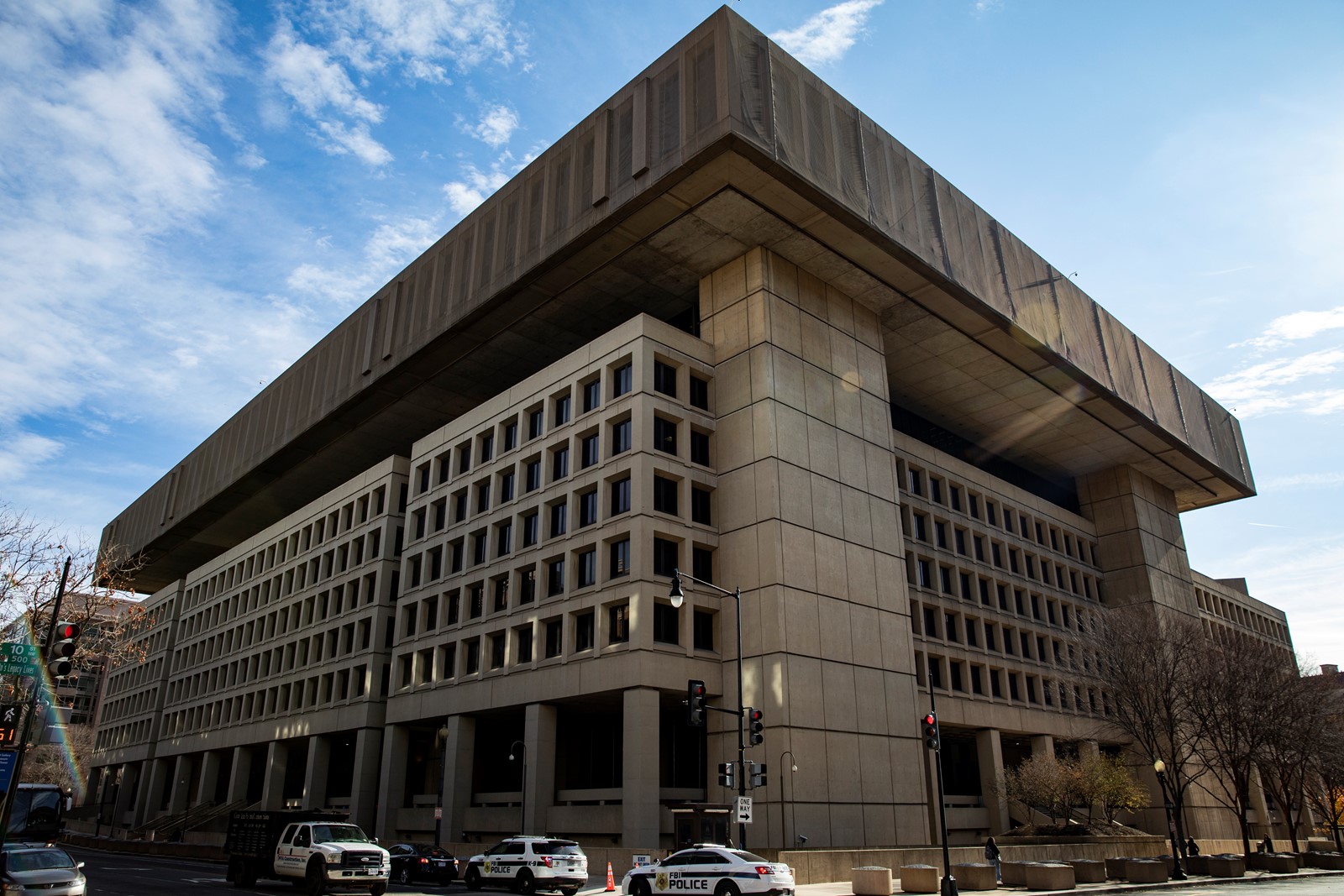


The FBI and other agencies quietly resumed coordinating with the major social media companies earlier this year to fight what government officials warned was a coming onslaught of foreign disinformation and influence operations leading up to the presidential election in November.
In at least two instances in recent weeks, the companies have taken action to remove malign content, according to the Biden administration and company officials.
Contacts between FBI investigators and the companies — including Facebook, X and YouTube — ground to a halt last year as a legal challenge that accused the Biden administration of censorship wound its way to the U.S. Supreme Court.
In June, the Supreme Court rejected the challenge, one of the first to wrestle with how far the government could go to combat misinformation and disinformation online. It left unanswered what limits, if any, the First Amendment could impose on the government’s ability to communicate with the technology companies.
The communication between government agencies and the platforms has resumed as Russia and Iran have stepped up efforts to interfere in the U.S. presidential election. Intelligence gathered and shared by the government has previously flagged covert influence campaigns before they could take off on social media.
The FBI’s communications with the platforms resumed behind the scenes in February, according to the officials and a report by the Department of Justice in July, and they have already thwarted two campaigns spreading information from Russia’s propaganda apparatus.
Last month, X voluntarily closed 968 accounts that the Department of Justice linked to Russia’s Federal Security Service and RT, the state television network. On Thursday, Meta disclosed that a tip from the FBI had led to the removal of a broad web of inauthentic pages and accounts on Facebook and Instagram disparaging Ukraine, Poland and the European Union.
“We’ve thus far received some limited information,” David Agranovich, Meta’s director of global threat disruption, said when asked about the bureau’s role, “and we’ll continue keeping an eye out for any additional sharing that might come down in the future.”
That kind of coordination was once routine under President Donald Trump, and included monthly meetings between government investigators and company officials, often at Meta’s headquarters in Menlo Park, California.
When President Joe Biden came to office, however, the Republican attorneys general of Missouri and Louisiana went to court, saying such coordination was part of a sweeping government conspiracy to stifle critical conservative voices online.
After a lower court judge ruled in July 2023 that the accusations at the heart of the case reflected “the most massive attack against free speech in United States’ history,” the Biden administration suspended virtually all contact with the social media platforms as the appeals process unfolded.
In February, the Department of Justice rewrote its standard operating procedures to clarify when its officials could communicate with social media companies, even before the Supreme Court’s decision, according to the department’s official response to an inspector general report. It posted an outline of the guidelines without fanfare on the FBI’s website Aug. 1.
The new procedures emphasize that the bureau’s agents cannot exert any pressure on the platforms, leaving it to the companies to decide what to do with information about malign foreign influence operations online. The goal was to deflect the core accusation of the legal challenge: that the government had effectively coerced the platforms to act with threats of retaliation.
FBI agents must now preface any communication with the companies with “a standardized caveat” assuring them that “the FBI does not request or expect the receiving company to take any particular action based on the shared information,” according to an internal department letter responding to an inspector general report in July.
 PREVIOUS ARTICLE

