




5 burning questions about the Big 12
Texas and Oklahoma are out of the Big 12, replaced by Utah, Colorado, Arizona State and Arizona. This comes on the heels of four teams joining in 2023, including UCF. The path to the championship is a bit more clouded this season with all sorts of outcomes in play. A new identity is forming. — Matt Murschel, Orlando Sentinel
Which of the new teams could make instant impact?
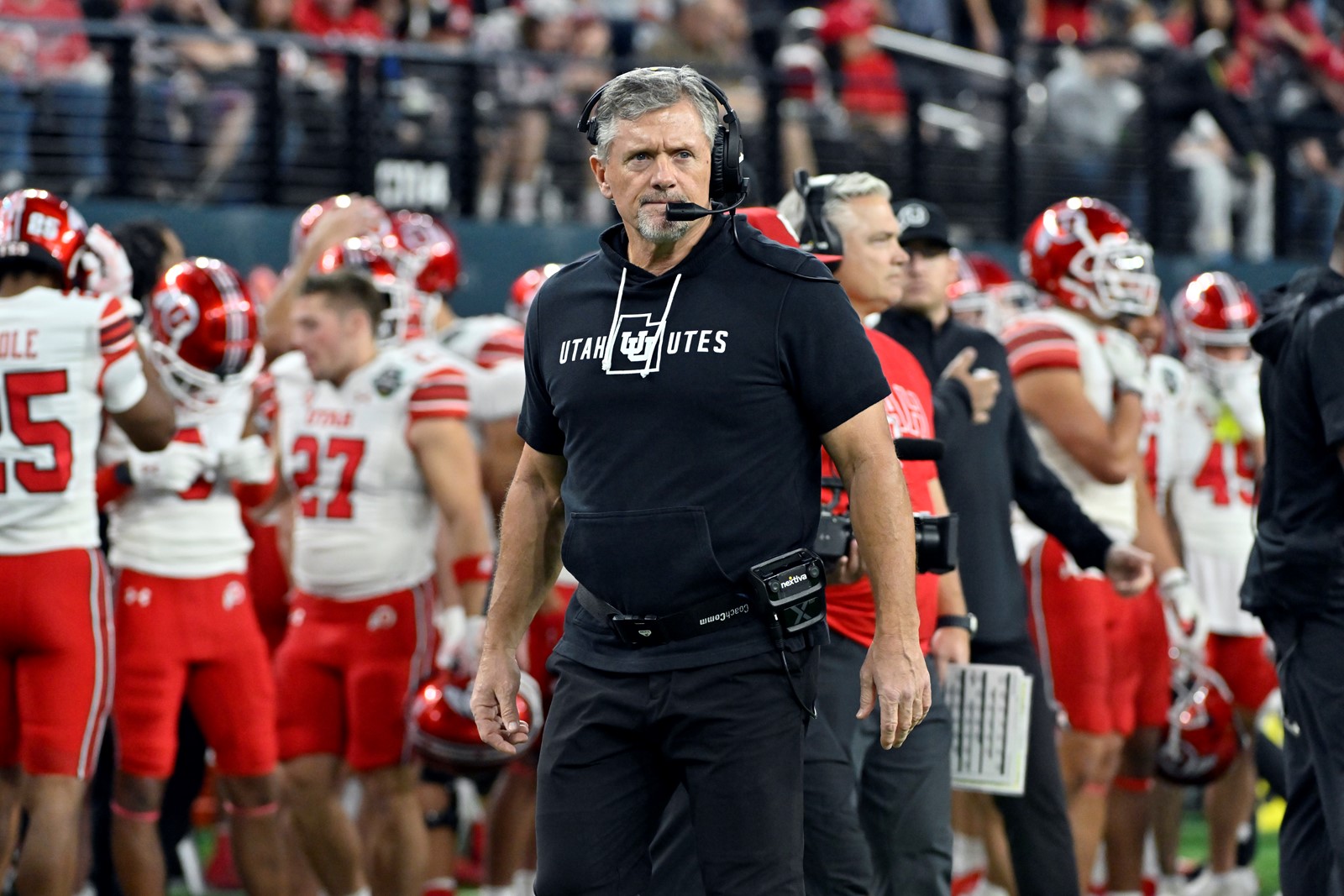
Kyle Whittingham is no stranger to change. The Utah coach has seen the program navigate the winding roads of conference realignment from the Western Athletic Conference to the Mountain West Conference to the Pac-12 and now to the Big 12.
“It’s nothing new for me personally as far as changing leagues,” he said. “But we feel like we’ve got a roster equipped to compete immediately.”
With 13 returning starters, the Utes figure to step up immediately in their new home, but they won’t be alone. Arizona surprised everybody by winning 10 games to finish third in the Pac-12. The Wildcats have enough returning talent to showcase why they were a smart pickup by their new league.
Who are favorites to win the title with Texas and Oklahoma gone?
Parity was the word uttered the most during Big 12 Football Media Days in Las Vegas.
Everyone, from coaches to athletic directors and even commissioner Brett Yormark, is impressed with the balance among the 16 schools.
Utah may be the new kid on the block, but it didn’t take long before the Utes were anointed the preseason favorites to win the Big 12. A program that captured Pac-12 titles in 2021 and ’22 figures to be among a handful of contenders.
Oklahoma State has appeared in the conference championship game two of the past three seasons, falling short both times. But the Cowboys have a loaded roster with 19 returning starters led by Doak Walker Award winning running back Ollie Gordon.
Kansas State and Kansas also could be factors in the race.
Which of the four teams that joined in 2023 will show improvement?
BYU (1-8), Cincinnati (2-7), Houston (2-7) and UCF (3-6) didn’t fare well last season.
UCF faced a brutal schedule that featured six road games, with the Knights traveling more than 17,000 miles. Still, Gus Malzahn’s team led or was tied in the second half of four of its six conference losses, with three of those games decided by a combined 4 points.
In the offseason, Malzahn added two new coordinators, a new strength and conditioning staff and 44 newcomers, hoping to bounce back from finishing 6-7. The Knights also have a manageable schedule that features games against five teams with winning records from last season.
Can Colorado and Deion Sanders make an impact in Year 1?
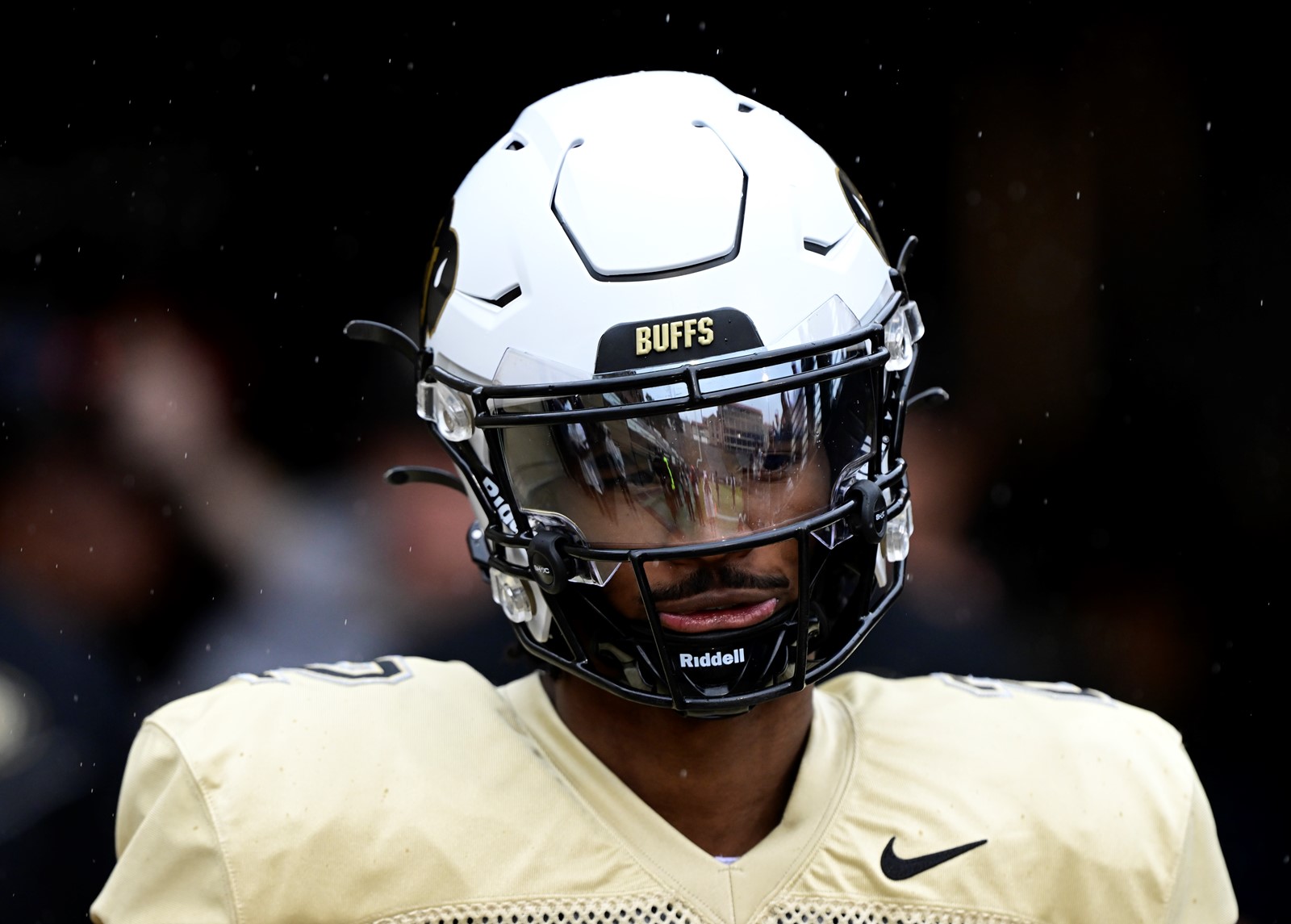
Sanders attracted plenty of headlines during his first season at Colorado, and after a 3-0 start it appeared that the bombastic coach was worth the hype. But the Buffaloes dropped eight of their last nine games and finished an afterthought in the Pac-12 race.
While Colorado’s move to the Big 12 has created buzz, the team still faces challenges. The Buffaloes continue overhauling the roster with 41 arrivals through the transfer portal.
There is talent, led by Heisman Trophy candidates Shedeur Sanders and Travis Hunter, but there are so many concerns. The offensive line, which surrendered 56 sacks last season, is all new and the defense needs to grow under new coordinator Rob Livingston.
A problematic schedule means a conference title is out of the question, but the Buffs could surprise a few people.
How many Big 12 teams can make the 12-team College Football Playoff?
The five highest-ranked conference champions are guaranteed a spot in the expanded Playoff format. That means the Big 12 knows it has a good shot of getting at least one team into the 12-team field. But it’s a race to fill out the seven remaining at-large bids based on rankings.
The Big 12 has had two teams finish ranked in the top 12 in the last five seasons, and only once (2014) did three teams make the cut. But that doesn’t include the four new Pac-12 schools, which finished in the top 12 six times: Arizona (2014, ’23), Colorado (2016) and Utah (2019, ’21-22).
Two Big 12 teams are likely, especially with the SEC and Big Ten expected to snap up most remaining spots.
Matt Murschel can be reached at mmurschel@orlandosentinel.com
 PREVIOUS ARTICLE
