


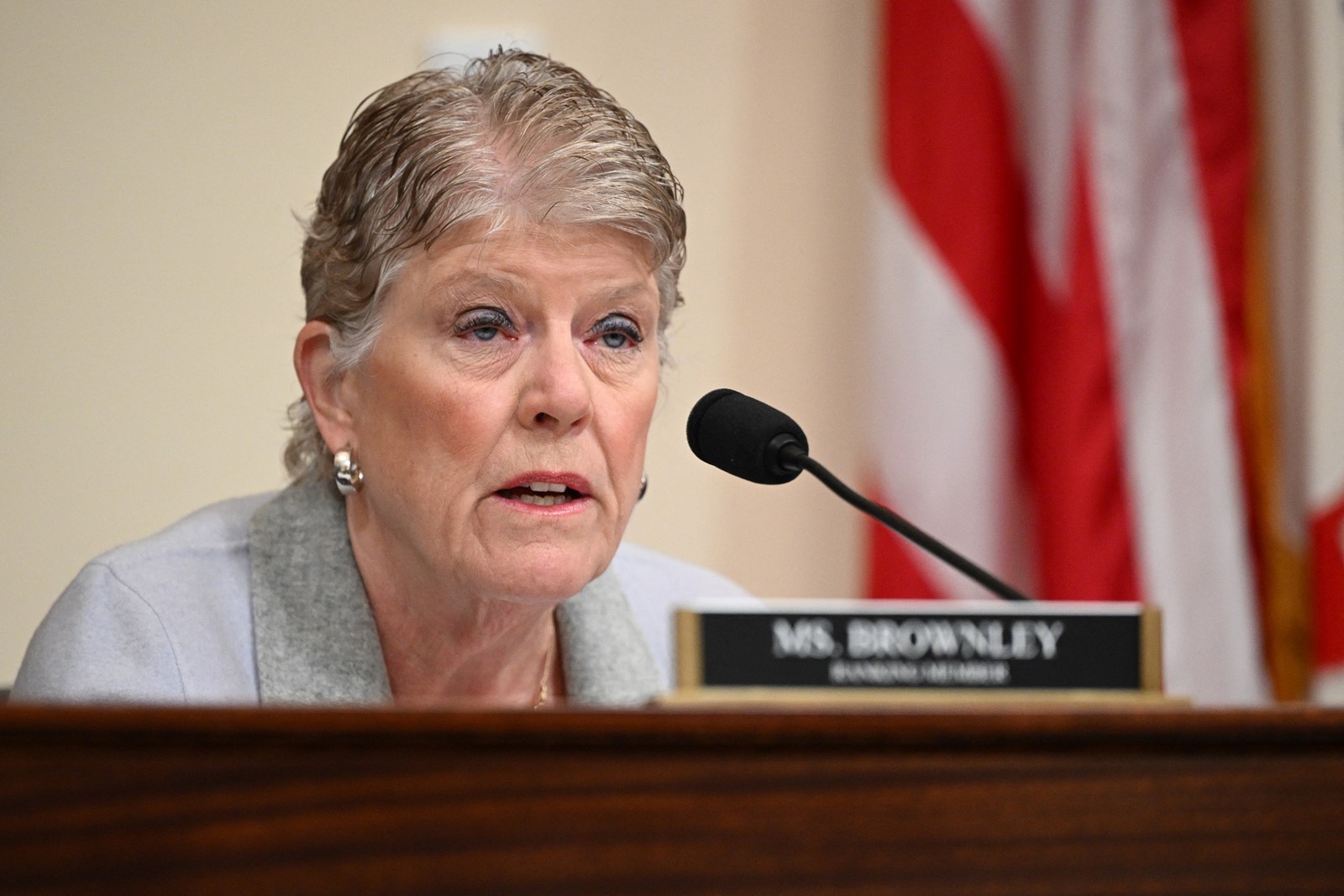


Democratic Rep. Julia Brownley, who is completing her seventh term in Congress, said Thursday that she will not seek reelection in this year’s midterm elections.
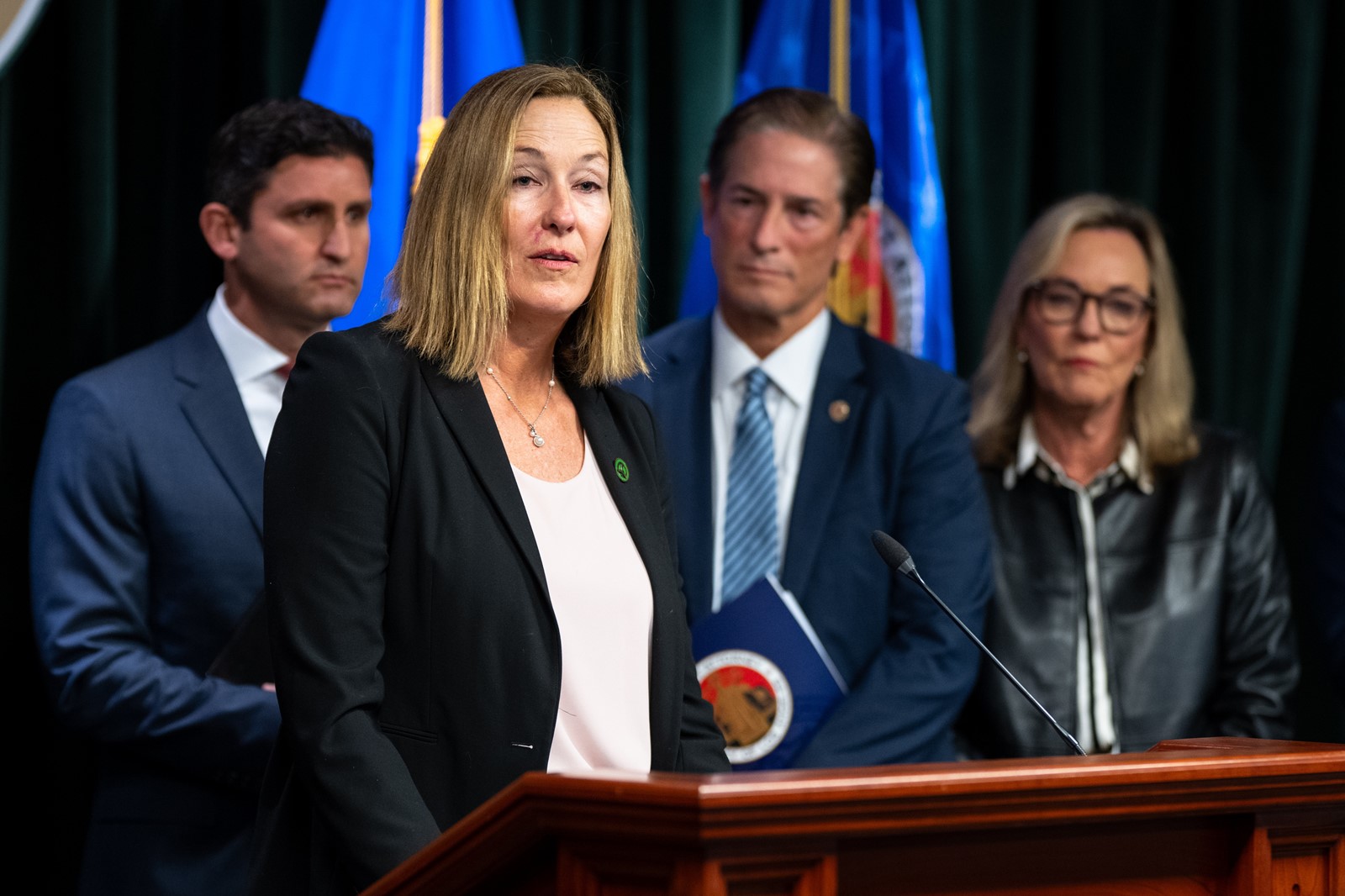
Shortly after, Assemblymember Jacqui Irwin, D-Thousand Oaks, announced that she will run to succeed Brownley in the U.S. House of Representatives, with the endorsement of the current office holder.
Irwin was first elected to the Assembly in 2014 and can’t seek reelection due to term limits. As a state lawmaker, Irwin has represented communities in Ventura and Los Angeles counties.
Prior to joining the legislature, she served as mayor of Thousand Oaks.
“Jacqui’s record of standing up for all of us and building coalitions to get things done gives her the experience and tools needed to represent us,” Brownley said in a press release issued by Irwin’s campaign.
Irwin, in turn, thanked Brownley for her service and said that she is “ready to stand up for our district and state in Congress, fighting (President Donald) Trump’s assault on our democracy and values while prioritizing public safety, affordability and the needs of Ventura County.”Irwin added that she looked forward to “making new friends in … northern parts of Los Angeles County.”
The 26th Congressional District currently covers most of Ventura County and a small portion of northwestern Los AngelesCounty, including Westlake Village, Calabasas and Agoura Hills — three communities that Irwin represents in the Assembly.
And under new congressional maps that California voters approved during November’s special election on redistricting, the 26th District will, starting with this year’s midterm elections, extend east to Quartz Hill in L.A. County’s Antelope Valley.
In announcing her retirement from Congress, the 73-year-old Brownley did not say why she chose not to seek another term, but she called her experience in serving her community and country “the honor of my lifetime.”
“Every step of this journey has been shaped by the people I represent, by their resilience, their determination, and their belief that government can and should work for the common good,” Brownley said in a statement.
She highlighted her work over the years in pushing to expand access to affordable health care, strengthen support for veterans and their families, protect natural resources and confront climate change.
“We have helped thousands of constituents navigate the federal government, returned millions in earned benefits, and never lost sight of the simple truth that public service is about showing up for people when they need help the most,” she said.
Brownley is the ranking member of the House Veterans’ Affairs Subcommittee on Health. She also serves on committees focused on transportation and infrastructure and on natural resources.
Her political career began when she was elected to a local school board in 1994 and continued with her election to the Assembly in 2006, where she chaired the Assembly Education Committee and served on other education-related panels.
In 2012, Brownley defeated state Sen. Tony Strickland, a Republican, in the race to represent the then-newly redrawn 26th Congressional District.
It was one of the most expensive races in the nation that year for what some at the time considered a toss-up district with a large number of independent voters.
The latest voter registration numbers from the California secretary of state had Democrats with a 12-point registration advantage over Republicans in the 26th District (42% to 30%), with “no party preference” voters making up another 21% of the district’s electorate, heading into last November’s statewide election.
As a result of redistricting, this district will become slightly bluer, with an electorate that’s 43% Democrat, 28% Republican and 28% “no party preference” or other voters.
Brownley did not say Thursday what specifically she plans to do after retiring from Congress but spoke of remaining “in the fight … for a better and brighter future.”
“Despite the immense challenges we are currently facing, I remain deeply optimistic about the future of our country,” she stated. “The American experiment has endured not because it is perfect, but because generations of Americans continue to believe in it and work to make it more just, more equal, and more reflective of those it serves.”
 PREVIOUS ARTICLE

