


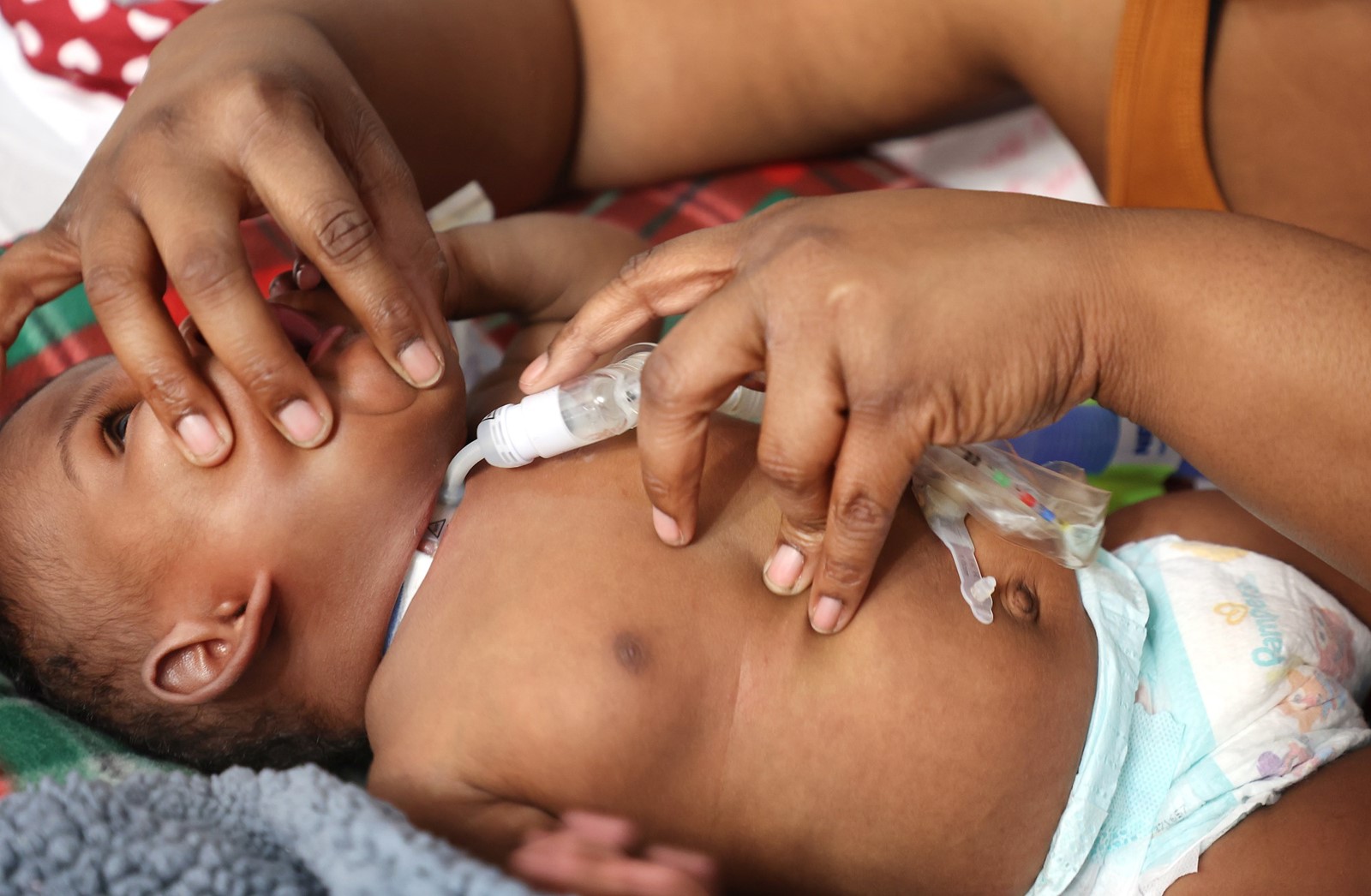


An unconscionable paradox exists in America, and especially in Florida.
It is made up of the politicians who advocate stridently for life in the womb but care n little about whether babies, once born, will live healthy or die.
A Florida law enacted last year will effectively ban virtually all abortions if the Supreme Court upholds an earlier statute that prohibits them after 15 weeks.
An intolerable tragedy
Sun Sentinel reporter Cindy Krischer Goodman described this intolerable tragedy in a March 21 special report, “Born to die: Florida’s infant mortality crisis.” Florida newborns are less likely to survive to a first birthday than infants in 50 foreign countries and nearly half the other U.S. states.
Six of every 1,000 babies born in Florida will die before their first birthday. That’s a rate slightly higher than the national average, which was 5.6 per 1,000 in 2022 according to the Centers for Disease Control. That statistic is among the worst in the developed world.
It’s more than three times as high as in Slovenia, Singapore and Iceland, which are the safest countries for newborns, according to CIA World Factbook statistics.
The survival rate is even worse for Black babies, who die in Florida twice as often as Caucasian infants. There are no acceptable reasons for that.
A little help, but not much
It’s not that Florida hasn’t done anything about this. The state offers prenatal care to low-income women who are otherwise uninsured — that is, if they can find out about it. But when we clicked on the Department of Children and Families link while writing this, the computer answered, “Sorry, this page is not available.”
They must already be pregnant to qualify.
Even that help is too little and too late for many women whose babies will die.
The same Legislature that extols the unborn refuses to expand Medicaid as authorized by the Affordable Care Act. That cuts health coverage to some 800,000 more people under 65 who would be eligible for Medicaid.
“Health experts say the losses of new life will continue unless the state rethinks how it fails mothers before and during pregnancy,” Goodman explained. “The biggest risk to an infant’s health is always the mother’s health.”
“Everything from Florida’s impenetrable insurance structure to its ineffective treatment in maternal and prenatal health contributes to the high rate of babies who die within their first year of life, sometimes within their first minutes,” Goodman wrote.
No moral justification
Infant mortality statistics include stillbirths as well as premature deliveries. Untreated chronic conditions heighten the risks, nearly doubling the chances that a baby will be born too early or dead.
Florida is one of only 10 states, all governed by Republicans, that have refused the Medicaid expansion for which the federal government pays 90% of the cost.
As enacted, Obamacare made expansion mandatory, but the Supreme Court barred that in a decision that stopped short of fulfilling the Republican goal of repealing the entire program.
The decision created a coverage gap, leaving people like those 800,000 Floridians ineligible for both original Medicaid and Obamacare’s insurance marketplace subsidies.
Arkansas did, but not us
Most Republican-led states in the West and Midwest have expanded Medicaid either by legislative action or voter initiative. So have Louisiana, Arkansas and, this past December, North Carolina.
That option was conspicuously absent from the “Live Healthy” program successfully advanced by Senate President Kathleen Passidomo during the Florida Legislature’s recent session and signed by Gov. Ron DeSantis.
While they make more aid available to community health clinics that are the last resort for uninsured childless adults, their main purpose is to train more doctors and other health care professionals to cope with an ever-aging population.
The package includes $134.6 million to increase Medicaid reimbursement rates for hospitals that treat mothers and babies during labor and delivery. That’s all good, but it does nothing about the care so many women aren’t getting before they become pregnant.
Florida’s Medicaid rolls have been shrinking as the state drops families who could not be disenrolled during the federal government’s declared COVID-19 health emergency.
Too many kids disenrolled
So far, more than 1.3 million Floridians, including 460,000 children, are without the Medicaid coverage they had last year. That’s another travesty we plan to address later this week.
If Florida’s leaders really care about whether babies have a chance in Florida, they’ll look beyond the day a woman gives birth. Getting affordable health care to as many Floridians as possible is the key.
How a society cares for its children is a striking measure. By that standard, Florida stands in shame.
The Orlando Sentinel Editorial Board includes Editor-in-Chief Julie Anderson, Opinion Editor Krys Fluker and Viewpoints Editor Jay Reddick. The Sun Sentinel Editorial Board consists of Editorial Page Editor Steve Bousquet, Deputy Editorial Page Editor Dan Sweeney, editorial writer Martin Dyckman and Anderson. Send letters to insight@orlandosentinel.com.
 PREVIOUS ARTICLE
