


Cop who killed 2 returned to streets
Officer was supposed
to be on desk duty after shooting teen, woman
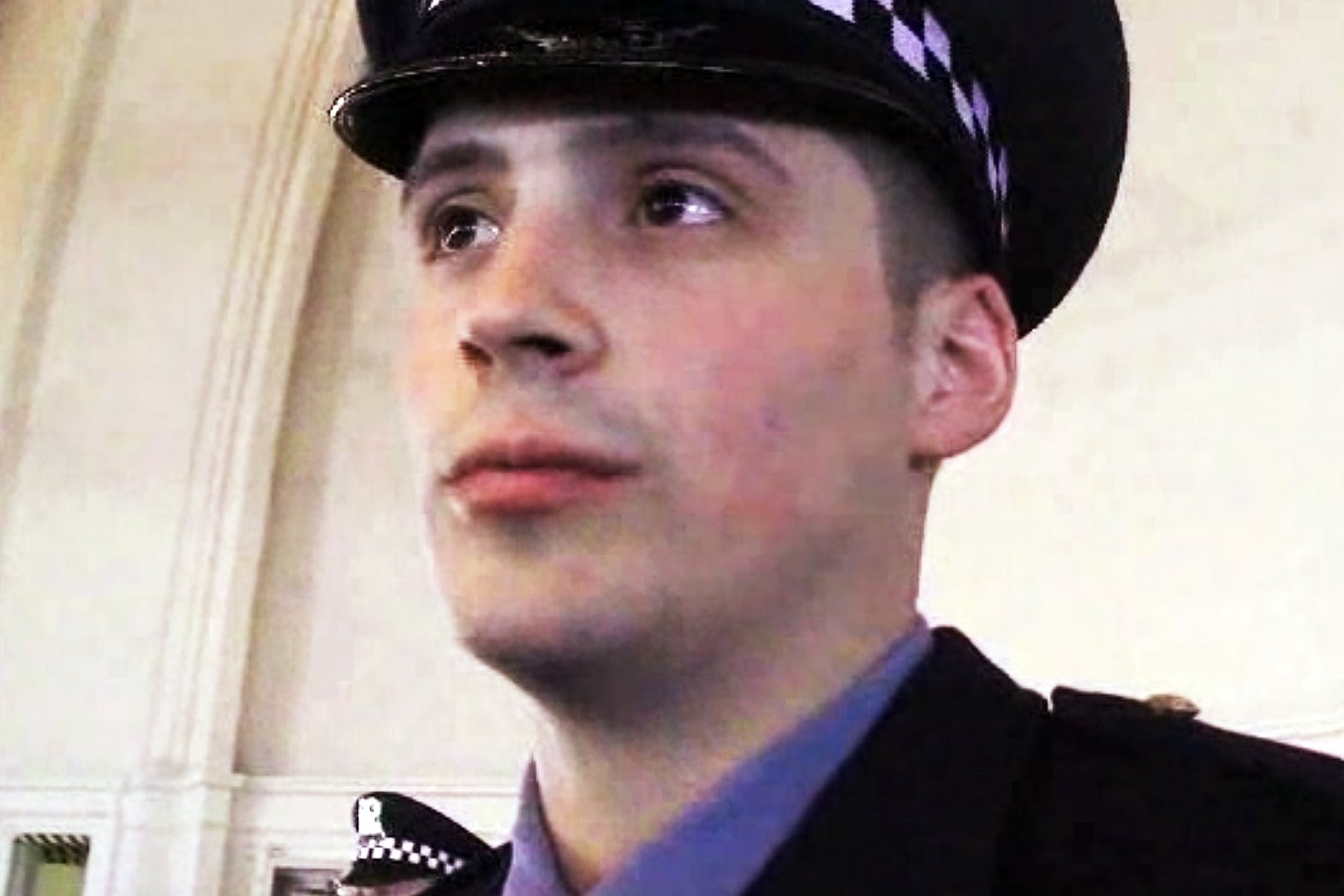
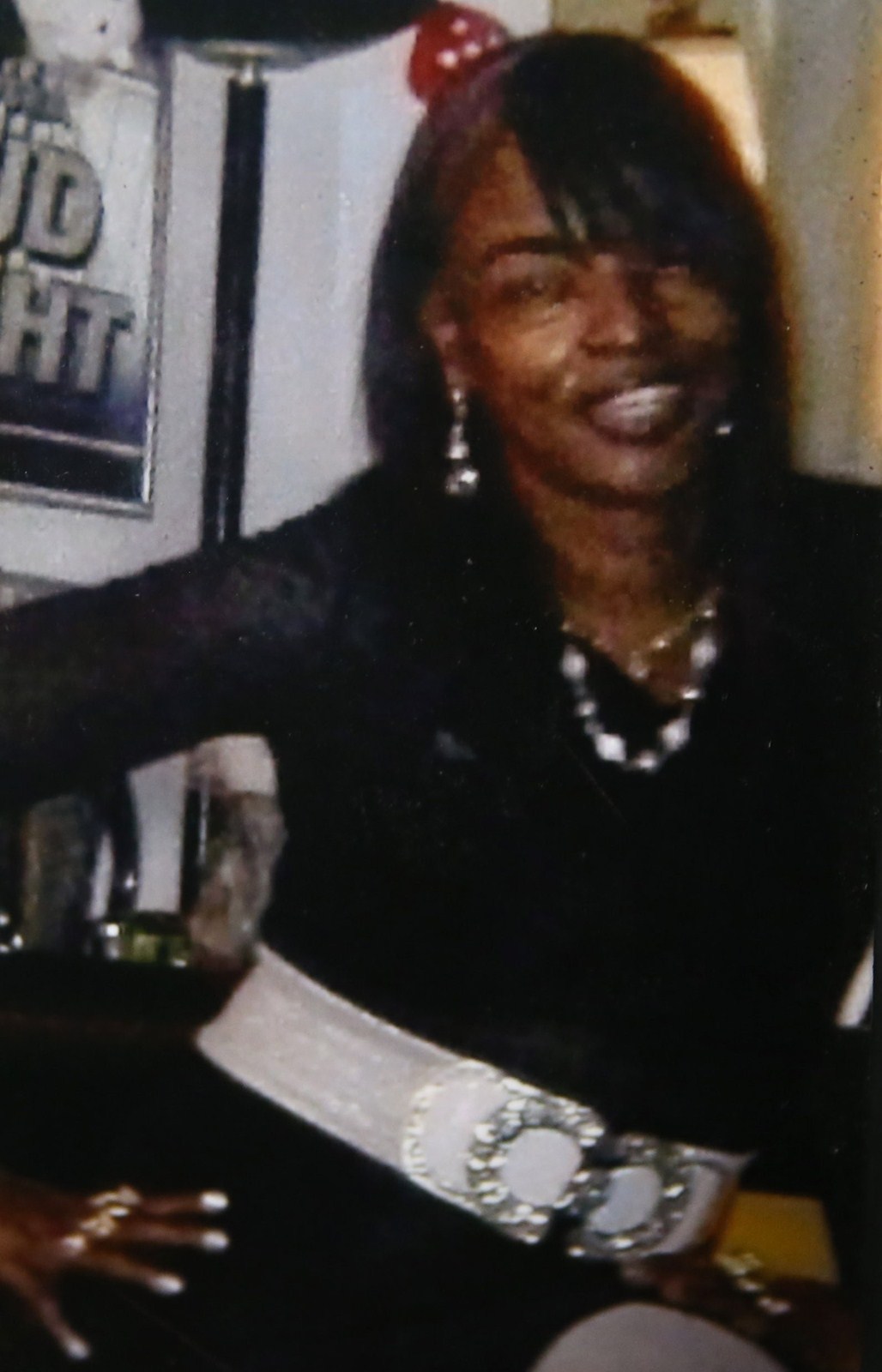
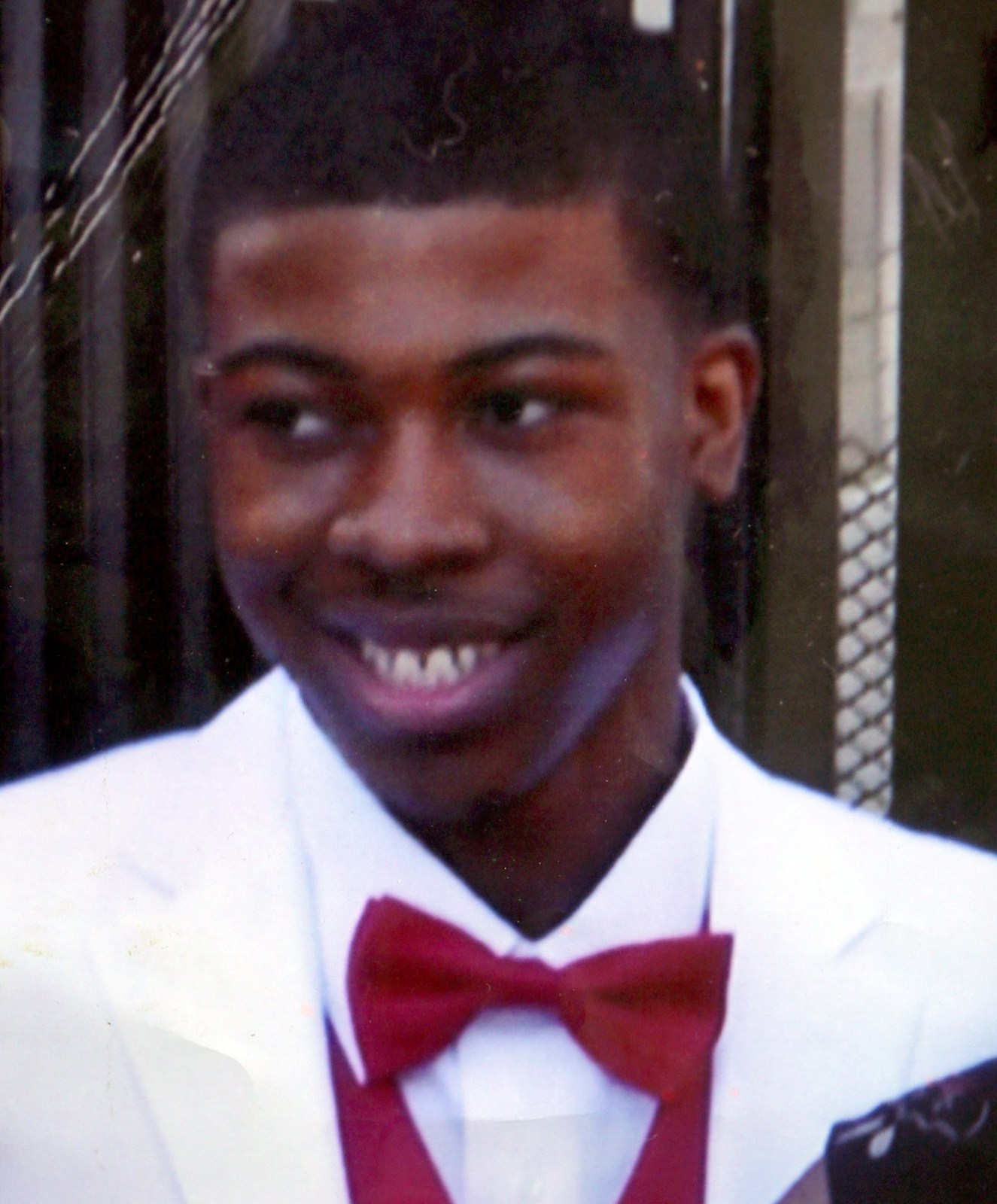


Chicago police Officer Robert Rialmo was supposed to remain on desk duty last summer as the city investigated his fatal shooting of two people, one of them an innocent bystander.
Rialmo had raised further questions about his fitness for duty by filing an unusual lawsuit against the city, alleging that he shot Quintonio LeGrier and Bettie Jones late last year in part because he was poorly trained. He also alleged that the fatal shooting had caused him severe distress and permanent emotional trauma.
Yet just after Rialmo's unorthodox lawsuit drew widespread attention, the Police Department put him back on the street in July, the Chicago Tribune has learned. He didn't just return to routine patrol duty but was detailed to a citywide unit that intervened in potentially dangerous incidents during the most violent summer Chicago has seen in years.
Rialmo made or assisted in 10 arrests during his four months back on the street, said Anthony Guglielmi, the department's chief spokesman. Police officials blamed his redeployment on an administrative error at his Northwest Side police district.
The mistake wasn't caught until late last month, Guglielmi said, and Rialmo was placed back on paid desk duty. The department plans to discipline a command officer at the district, Guglielmi said.
The revelation comes during one of the rockiest times in the Police Department's history. The release a year ago of a video showing an officer shooting Laquan McDonald 16 times sparked public outrage and an ongoing probe by the U.S. Justice Department into whether the department systematically violated people's rights.
The department made the blunder even as top officials were trying to convince Chicagoans of their new commitment to rigorously investigate shootings before clearing officers to return to duty.
Given his own admissions in court filings that he was inadequately trained, Rialmo's return to street duties exposed the city to potentially significant legal liabilities, experts said. While court records show no new lawsuits had been filed against Rialmo, his redeployment put people at risk, said attorneys for the families of LeGrier and Jones.
“Bottom line is, this guy shouldn't be on the force anymore, let alone on the streets dealing with high-stress situations, given that he claims he's suffering extreme emotional distress and has not been properly trained to do his job,” said Basileios Foutris, a lawyer for LeGrier's family.
Rialmo declined to comment Thursday, but his attorney, Joel Brodsky, said the department pulled Rialmo off the street to retaliate against him for hiring his own attorney, suing the city and “not falling in line with the blue wall of silence that they're trying to put up.”
The incident involving Rialmo the day after Christmas last year marked the first fatal police shooting after the release of the disturbing McDonald video.
Rialmo said he shot LeGrier outside the family's West Side home after the 19-year-old swung an aluminum baseball bat at him. But bystander Jones, 55, standing behind LeGrier, was also mortally wounded.
Under a policy enacted amid the outrage over McDonald's shooting, Rialmo was placed on desk duty for 30 days — now standard in all police shootings. Once 30 days passed, he was put on indefinite desk duty as the city continued to investigate the shooting, Guglielmi said.
Rialmo remained sidelined until July, when he was detailed to the citywide summer mobile unit created by Superintendent Eddie Johnson to defuse violence at parks and beaches as well as gang conflicts on the South and West sides.
Guglielmi blamed “careless administrative oversight” at the Jefferson Park police district. Officers for the unit were drawn from the city's 22 districts, Guglielmi said, and Rialmo, who was hired in 2012, was picked for the assignment because of his low seniority. Notifications of the move did not go up the chain of command, Guglielmi said. Guglielmi declined to name the command officer who could face discipline, but he said the incident was being taken “very seriously.”
Department officials transferred Rialmo back to desk duty in late October after discovering he was on the street because of paperwork documenting an arrest he helped make, Guglielmi said.
As a result, department officials have adopted a policy that the internal affairs bureau must sign off on personnel transfers in addition to the patrol division.
A search of state and federal court records turned up no lawsuits against Rialmo while he was back on the street, but such litigation is often filed months after an incident. During his time off desk duty, Rialmo filed no use of force reports, and no citizen complaints were filed against him, department officials said. He was the primary officer in two arrests and assisted in eight more, Guglielmi said. Information on those arrests was not immediately available.
Brodsky, Rialmo's lawyer, disputed the department's explanation, saying command officers beyond the district were aware of Rialmo's return to the street, though he declined to identify any officers who knew. Before Rialmo went back to full duty, he completed classroom work and was cleared by a psychologist, he said.
Though scarred by the shooting, Brodsky said, Rialmo is not “falling to pieces” and belongs back on the street. Furthermore, his lack of training doesn't differentiate him from most officers in a department that has offered little training to officers after the academy, he said.
“He's got the same training every other officer on the street has,” Brodsky said. “It's not like he's inadequately trained and everybody else is (well-trained).”
 PREVIOUS ARTICLE
