




LOWELL >> Accessory dwelling units are coming to Lowell. The City Council received a motion response from Department of Planning and Development Director/Assistant City Manager Yovani Baez-Rose that ADUs will be permitted by right in February 2025.
Baez’s report was in response to Councilor Wayne Jenness’ request to have the proper department analyze the recently enacted Affordable Homes Law to begin the process of updating Lowell’s zoning code to be in compliance with the new regulations.
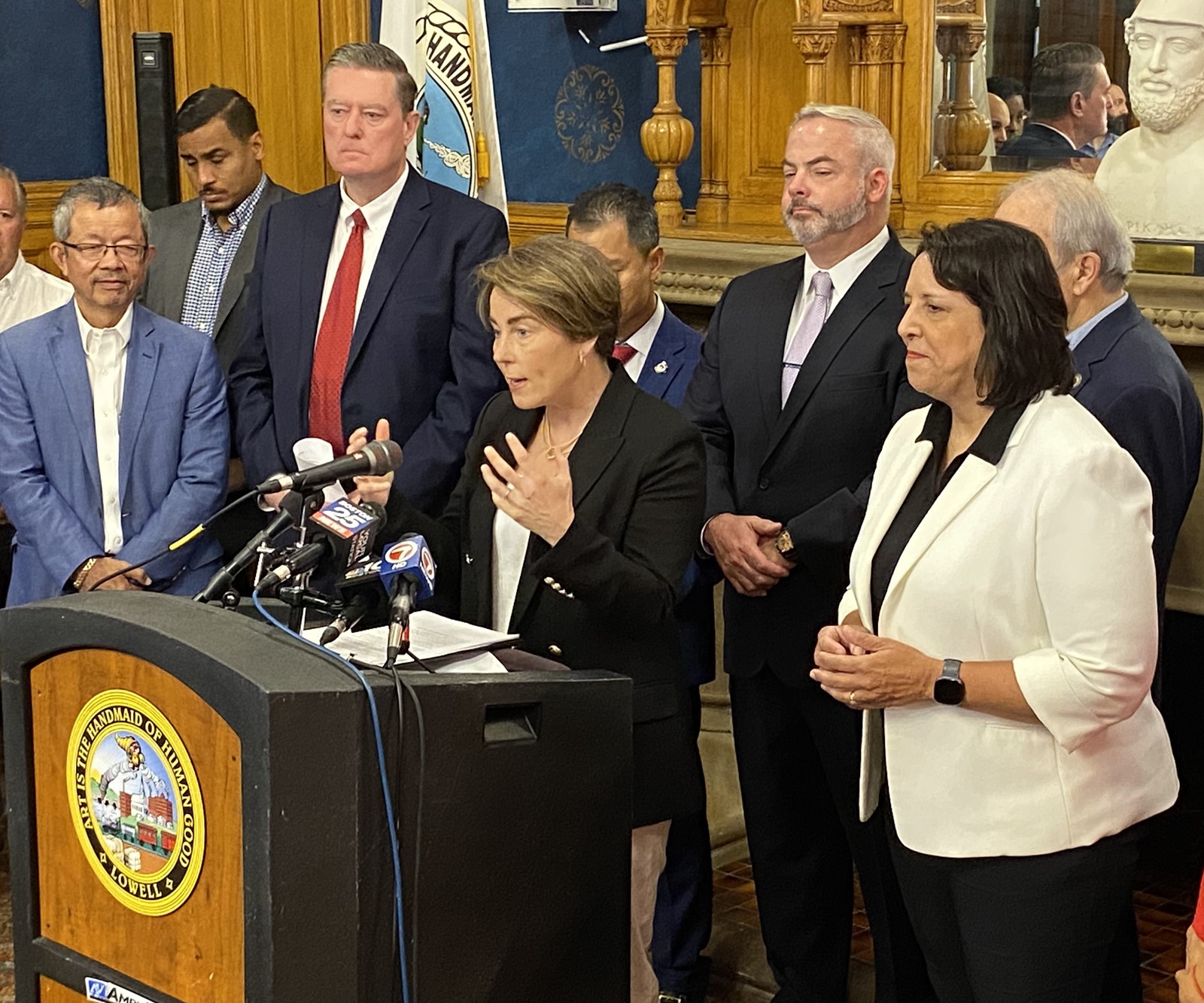
“There’s a lot of good information in here,” Jenness said during the Sept. 24 meeting at City Hall. “The most important of which is that the Executive Office of Housing and Livable Communities — we’re still waiting on them to issue guidelines or promulgate regulations to administer the paragraph of section 8.”On Aug. 6, Gov. Maura Healey signed the $5.16 billion AHA into law. The Act is the most ambitious legislation in Massachusetts history to tackle the state’s greatest challenge: housing costs.
Included in this legislation were several changes that will affect local zoning ordinances, particularly Section 8 of the Act which authorizes ADUs by-right in single-family zoning districts in all communities in the commonwealth. It prohibits owner-occupancy requirements as well as parking mandates within a half-mile of transit. The ADUs are limited in size to 900 square feet.
The “by right” language means that if ADU applicants meet the building code criteria and obtain the required permits, they can bypass the more restrictive land-use board process.
Housing scarcity and the high cost of available housing are major challenges for the state. The state’s vacancy rate is at an all-time low. Massachusetts has one of the highest affordability-homeownership gaps in the nation, with the average median sale price for a single-family home at almost $600,000. Economic reports indicate that Massachusetts needs to create 200,000 new housing units to keep up with demand to ensure that people can stay and work in the state.
Housing costs are also hitting Lowell hard and are implicated in the city’s growing affordability and homeless crisis.
At $73,000, the median income of Lowell’s 115,000 residents is 24% lower than the state average. Almost 20% of Lowell’s population earns below $25,000, 33% above the state average. According to 2020 U.S. Census data, the median rent in Lowell is $1,662, plus or minus $80.
Allowing ADUs by right was one of the 20 ideas listed in a March 2021 Housing Availability Report that would ease the city’s housing-scarce landscape.
Affordability was also raised under the Land Use and Urban Form section of Lowell Forward, a 20-year strategic roadmap of the community’s plan for the city’s growth and development. The plan advocates a comprehensive zoning review. The city’s zoning code was last overhauled 20 years ago.
“Zoning should be more flexible to allow for multi-unit developments,” the report said. “Allowing accessory dwelling units … in more zoning districts besides the Urban Neighborhood Single Family District, can also expand flexibility in housing development.”
Jenness was a strong proponent of an ADU ordinance that was defeated by the council last October after nearly a year of vigorous debate on how to equitably increase the city’s housing stock.
Complementary to the AHA law, the council passed an Affordable Housing Trust ordinance at its Aug. 27 meeting. The purpose of the trust “is to provide for the creation and preservation of affordable housing in the City of Lowell, for the benefit of low and moderate-income households.”
At least 2,502 units are needed based on growth projections, particularly units affordable to Lowell’s lower incomes or filling an untapped mid-income market. According to the research conducted as part of the Lowell Forward master plan, 3,203 additional units by 2040 are also needed to keep up with demand and to maintain a desirable vacancy rate.
More than 134 other communities, such as Somerville and Cambridge, have utilized a trust fund to aid in the creation of new affordable rental and homeownership units, assist in the preservation of existing affordable homes and rental units, and aid in the creation of programs that directly assist renters and homeowners.
The municipal plan proposes to produce 800 new affordable housing units by 2040.
The trust can be funded by Community Preservation Act monies, fees on developers, tax title sales, grants, general fund allocations, private donations, and more in order to stimulate the creation and preservation of affordable housing swiftly as opportunities arise.
Jenness’ motion to refer the Baez’s response to the council’s Zoning Subcommittee, which last met in April 2023 on ADUs, unanimously passed.
“They don’t need to take any action with it, but if and when it becomes time for them to do something, they have this report to reference,” Jenness said.
 PREVIOUS ARTICLE
