




No one likes being the outsider; the new person in a place of strangers, no friends, not a part of anything, being made fun of or harassed or bullied for not conforming to what others want us to be. These experiences and feelings can translate into loneliness and sometimes the feeling of being abandoned.
Today’s reviewed books address this in three distinctive ways. Reading such books with kids can help heighten their awareness of their own feelings through the feelings of the characters in the book. This, in turn, can heighten a child’s compassion and empathy for others, and that is something worth pursuing, today and every day.
Books to borrow
The following book is available at many public libraries.
“Freak the Mighty”: by Rodman Philbrick, Blue Sky Press/Scholastic, 202 pages
Read aloud: age 8 and older.
Read yourself: age 10 and older.
Maxwell Kane is huge for his age, and most people think he doesn’t have much in the way of brains. His dull, friendless world changes the day tiny, physically disabled and brilliant Kevin (Freak) moves into the neighborhood. The two forge a friendship that neither had ever had, and become Freak the Mighty, slaying dragons, outwitting bullies, finding courage in the face of adversity and walking tall.
With strong, colorful characters and laced with humor throughout, “Freak the Mighty” is a work of extraordinary depth, rich with multiple layers of what it is to be different and what real friendship and courage really mean.
Librarian’s choice
Library: Wernersville Public Library, 100 N. Reber St., Wernersville
Library director: Maria Gerasklis-Long
Youth librarian: Garbrielle Hardy
Choices this week: “Not Quite Narwhal” by Jesse Sima; “Pride: The Story of Harvey Milk and the Rainbow Flag” by Rob Sanders; “The World Needs More Purple People” by Kristen Bell and Benjamin Hart
Books to buy
The following books are available at favorite bookstores.
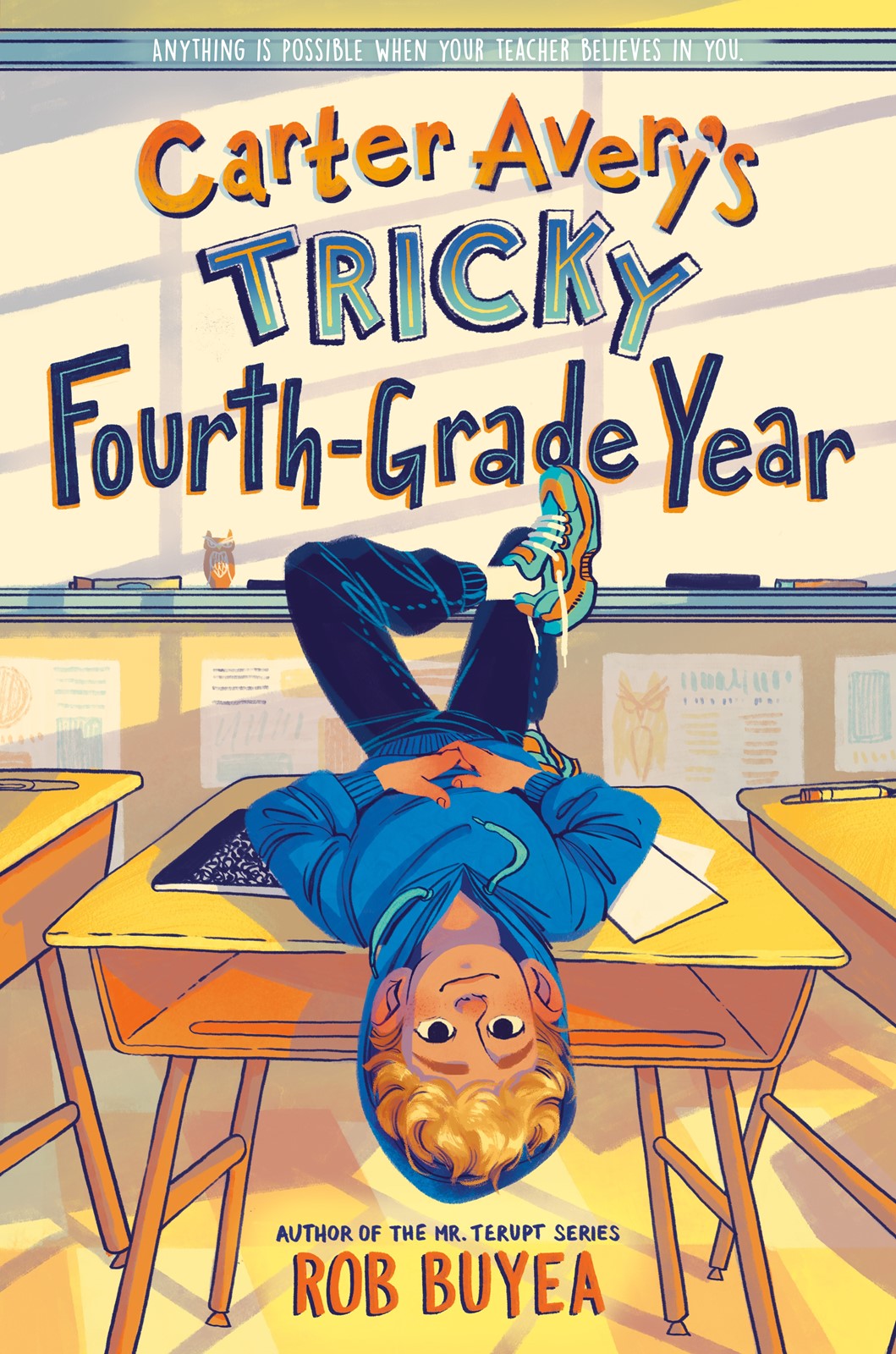
“Carter Avery’s Tricky Fourth-Grade Year”: by Rob Buyea, Delacorte Press, 2024, 352 pages, $17.99 hardcover
Read aloud: age 8 — 12.
Read yourself: age 8 — 12.
Ever since Carter Avery was in first grade, no teacher has ever liked him. Carter has a hard time sitting still and frequently blurts out whatever comes to his mind, often resulting in a great deal of time being spent in the principal’s office or outside of the classroom, on a chair in the hall.
To make matters worse, Carter’s classmates find him annoying, especially bossy, know-it-all Missy Gerber who, unfortunately, will be in his class. So, when Carter learns his fourth-grade teacher, Ms. Krane, is new to the school and rumored to be mean, Carter thinks this will be another long, difficult year.
As it turns out, Ms. Krane understands how to handle Carter’s energy and isn’t mean at all. Her kindness and guidance help Carter discover self-worth, and his classmates come to see that Carter is more than they previously thought.
Throughout, Carter makes it his mission to help save his teacher from those who would like Ms. Krane to be replaced. And much to Carter’s surprise, he comes to realize that he can flourish because he finally has a teacher who understands and believes in him.
An outstanding cast of colorful, believable characters and a heartfelt portrayal of the often-turbulent hurdles kids face both in school and outside of it, “Carter Avery’s Tricky Fourth-Grade Year” is ultimately a novel of friendship, family and misperceptions.
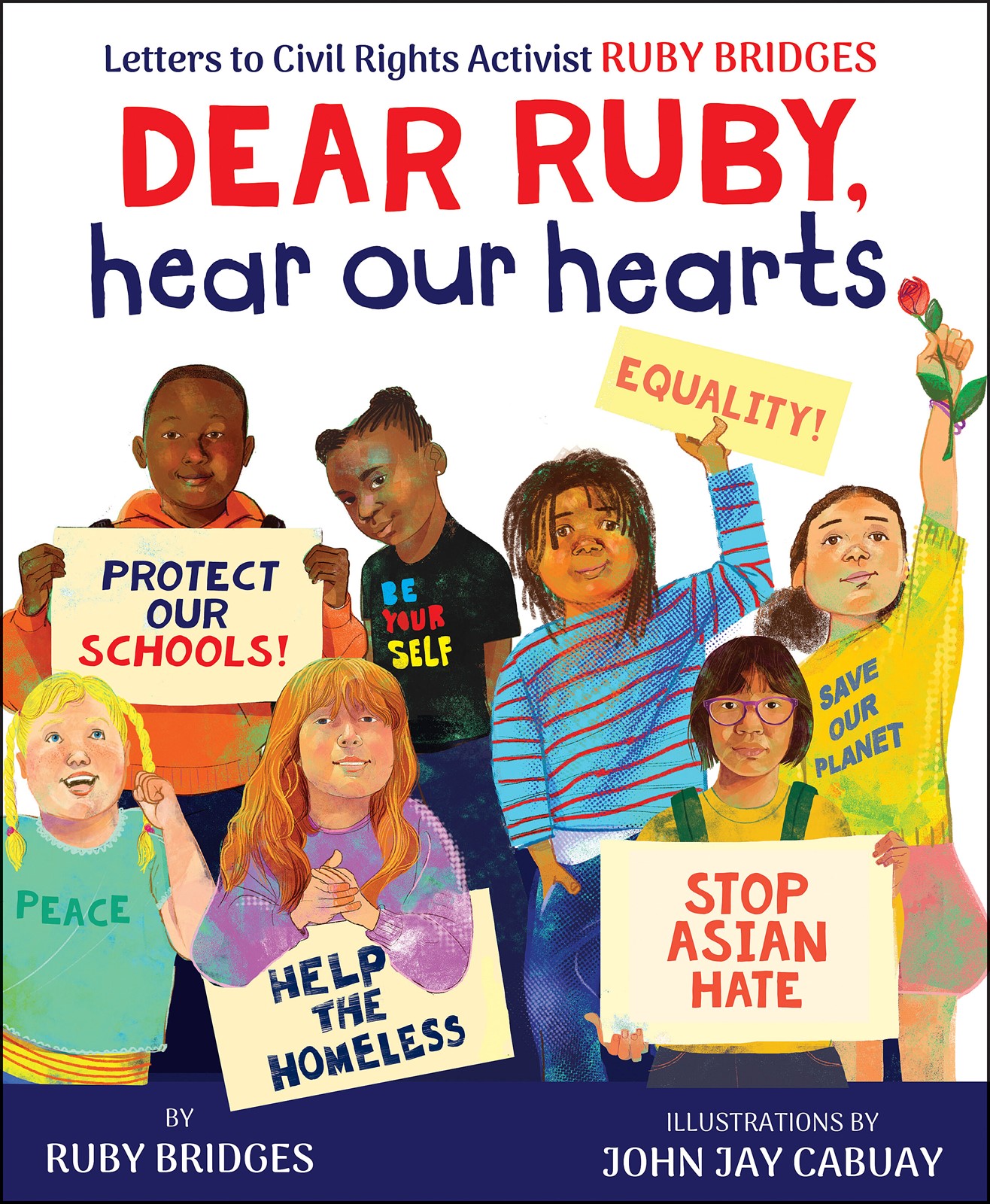
“Dear Ruby, Hear Our Hearts”: by Ruby Bridges, illustrated by John Jay Cabuay, Orchard Books, 2024, 32 pages, $18.99 hardcover
Read aloud: age 5 — 10.
Read yourself: age 7 — 10.
Children are more perceptive and think more deeply about complex issues they are facing than many adults would give them credit for. This is made clear through a series of letters written by young readers across America to civil rights activist, Ruby Bridges, and the replies Ruby writes in response to each child. “Dear Ruby, Hear Our Hearts inspires” young people to be brave and believe in themselves.
From facing bullies, racial inequality, helping the homeless, dealing with learning challenges and more, Ruby replies to each letter by acknowledging their concerns and encouraging students to be strong, courageous, and to never give up.
Wonderfully inspiring in multiple ways and perfectly complemented by powerful artwork, “Dear Ruby, Hear Our Hearts” is a genuine testimony to the power of children.
Nationally syndicated, Kendal Rautzhan writes and lectures on children’s literature. She can be reached at kendal.rautzhan27@gmail.com.
 PREVIOUS ARTICLE
