




FREETOWN, Sierra Leone >> After you step out of Lungi International Airport, you need to take a ferry or small speedboat across the Atlantic to reach Sierra Leone’s capital, Freetown.
It’s only a couple of kilometers at sea, then you step off board at a pier and enter the city, perfectly perched at the tip of a peninsula. It’s home to a couple of simple museums and some great restaurants and bars along the beaches.
The downsides are the plentiful traffic and the rubbish. But just beyond the city limits, you find the true treasure of Sierra Leone, namely nature — and its fragility.
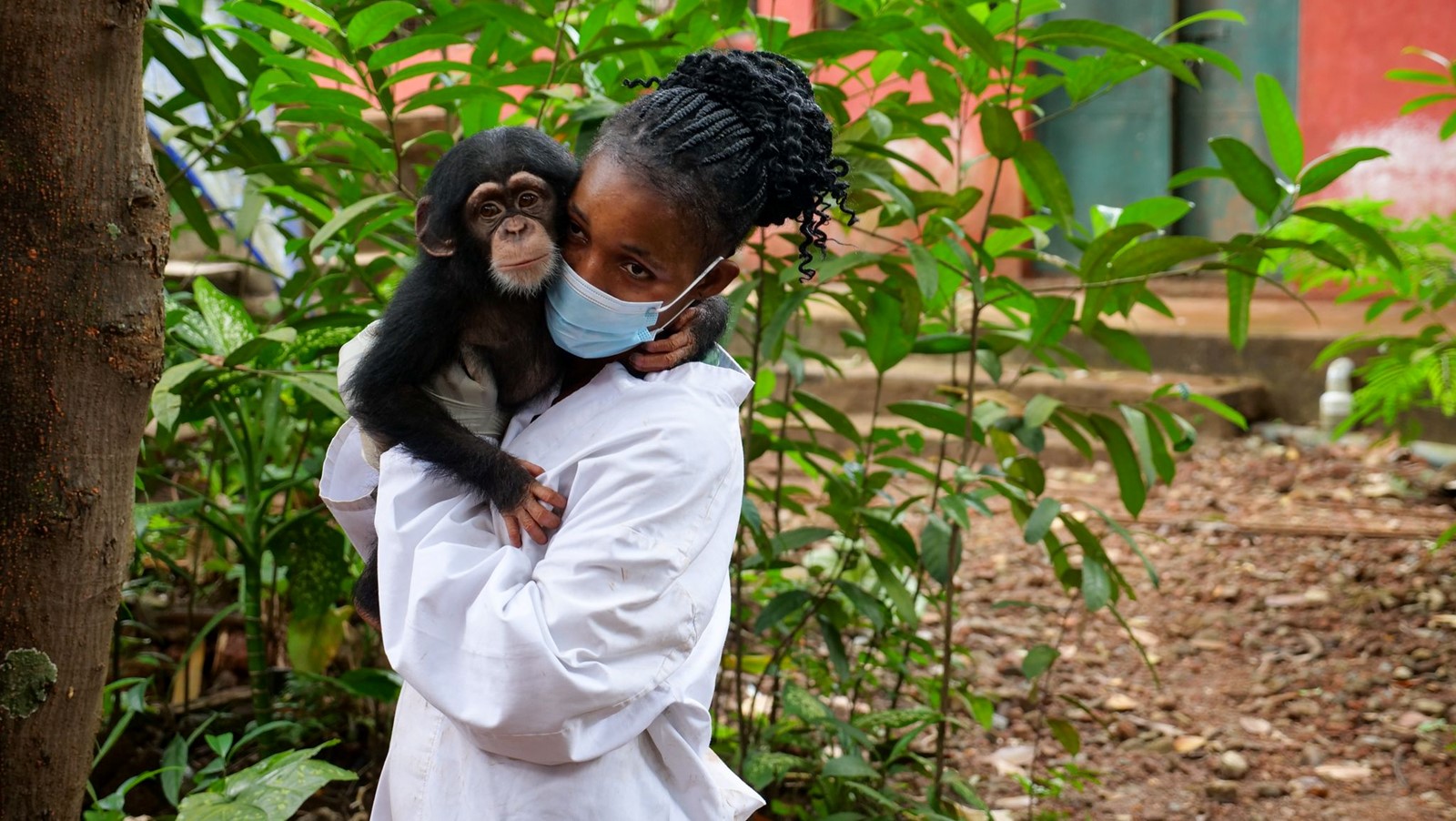
Just outside Freetown lies Tacugama, a chimpanzee conservation project that is home to more than 100 animals. You can hear them chattering away from afar.
“In the past, many chimpanzees were caught for the entertainment industry, while some people still eat monkey meat today,” says founder Bala Amarasekaran, who rescued many of the animals together with his team.
Ecotourism to protect chimpanzees
Young chimpanzees play in a small enclosure, climbing ropes and tree trunks and eyeing the visitors with interest. The older animals live in large, densely vegetated enclosures and are usually only visible to visitors at feeding time.
The Tacugama project is financed in part by ecotourism. Alongside guided tours of the grounds, Bala and his team also offer events such as yoga retreats and jazz concerts and overnight stays in simply furnished eco-lodges.
There are hammocks strung between the trees where you can lie back and listen to the chimpanzees calling, the sounds of the forest, and nothing else.
“Only by being here can we protect the area. Everyone who comes here will speak out against destruction,” says Bala. That’s why sustainable tourism is so important for Tacugama. He is currently expanding his site with a training center, a cinema and an open-air theater, all of which will also help the local population financially.
Using this model, Bala aims to work with Sierra Leone’s Tourism Ministry to establish an entire ecotourism route through the country. After all, it is not only chimpanzees that need protection.
 PREVIOUS ARTICLE
