




Each year, we pore over thousands of new books, seeking out the best novels, memoirs, biographies, poetry collections, stories and more. Here are 100 standouts, selected by the staff of The New York Times Book Review.
Fiction
AFTER SAPPHO, by Selby Wynn Schwartz. Inspired by Sappho’s work, Schwartz’s debut novel offers an alternate history of creativity at the turn of the 20th century, one that centers queer women artists, writers and intellectuals who refused to accept society’s boundaries. (Liveright)
THE BEE STING, by Paul Murray. In Murray’s boisterous tragicomic novel, a once wealthy Irish family struggles with both the aftermath of the 2008 financial crash and their own inner demons. (Farrar, Straus & Giroux)
BIOGRAPHY OF X, by Catherine Lacey. Lacey rewrites 20th-century U.S. history through the audacious fictional life story of X, a polarizing female performance artist who made her way from the South to New York City’s downtown art scene. (Farrar, Straus & Giroux)
BIRNAM WOOD, by Eleanor Catton. In this action-packed novel from a Booker Prize winner, a collective of activist gardeners crosses paths with a billionaire doomsday prepper on land they each want for different purposes. (Farrar, Straus & Giroux)
BLACKOUTS, by Justin Torres. This lyrical, genre-defying novel — winner of a 2023 National Book Award — explores what it means to be erased and how to persist after being wiped away. (Farrar, Straus & Giroux)
CHAIN-GANG ALL-STARS, by Nana Kwame Adjei-Brenyah. This satire — in which prison inmates duel on TV for a chance at freedom — makes readers complicit with the bloodthirsty fans sitting ringside. The fights demonstrate how easy it might be to accept a world this sick. (Pantheon)
THE DELUGE, by Stephen Markley. Markley’s second novel confronts the scale and gravity of climate change, tracking scientists and activists from the gathering storm of the Obama years to the super-typhoons of future decades. Immersive and ambitious, the book shows the range of its author’s gifts: polyphonic narration, silken sentences and elaborate world-building. (Simon & Schuster)
EASTBOUND, by Maylis de Kerangal. In de Kerangal’s brief, lyrical novel, translated by Jessica Moore, a young Russian soldier on a trans-Siberian train decides to desert and turns to a civilian passenger, a Frenchwoman, for help. (Archipelago)
ENTER GHOST, by Isabella Hammad. A British Palestinian actor returns to her hometown in Israel to recover from a breakup and spend time with her family. Instead, she’s talked into joining a staging of “Hamlet” in the West Bank, where she has a political awakening. (Grove)
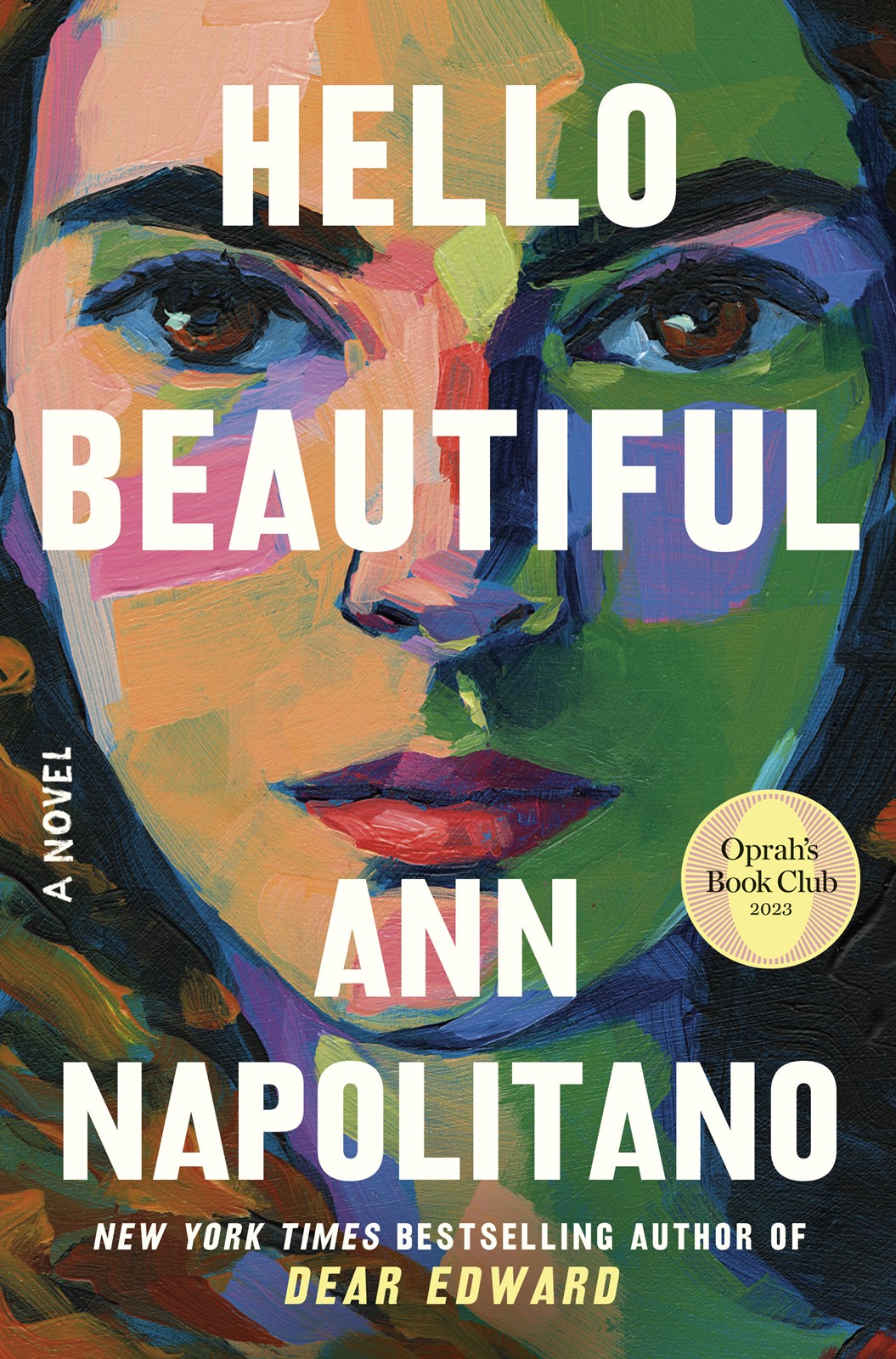
HELLO BEAUTIFUL, by Ann Napolitano. Take “Little Women,” move it to modern-day Chicago, add more intrigue, lots of basketball and a different kind of boy next door and you’ve got the bones of this fresh, immersive story. (Dial Press)
A HISTORY OF BURNING, by Janika Oza. This remarkable debut novel tells the story of an extended Indo-Ugandan family that is displaced, settled and displaced again. (Grand Central)
A HOUSE FOR ALICE, by Diana Evans. This polyphonic novel traces one family’s reckoning after the patriarch dies in a fire, as his widow, a Nigerian immigrant, considers returning to her home country and the entire family re-examines the circumstances of their lives. (Pantheon)
KAIROS, by Jenny Erpenbeck. This tale of a torrid, yearslong relationship between a young woman and a much older married man — translated from the German by Michael Hofmann — is both profound and moving. (New Directions)
LAND OF MILK AND HONEY, by C Pam Zhang. Zhang’s lush, keenly intelligent novel follows a chef who’s hired to cook for an “elite research community” in the Italian Alps, in a not-so-distant future where industrial-agricultural experiments in America’s heartland have blanketed the globe in a crop-smothering smog. (Riverhead)
THE MOST SECRET MEMORY OF MEN, by Mohamed Mbougar Sarr. Based on a true story and translated by Lara Vergnaud, Sarr’s novel — about a Senegalese writer brought low by a plagiarism scandal — asks sharp questions about the state of African literature in the West. (Other Press)
THE NEW NATURALS, by Gabriel Bump. In Bump’s engrossing new novel, a young Black couple, mourning the loss of their newborn daughter and disillusioned with the world, start a utopian society — but tensions both internal and external soon threaten their dreams. (Algonquin)
THE NURSERY, by Szilvia Molnar. “I used to be a translator and now I am a milk bar.” So begins Molnar’s brilliant novel about a new mother falling apart within the four walls of her apartment. (Pantheon)
PINEAPPLE STREET, by Jenny Jackson. Jackson’s smart, dishy debut novel embeds readers in an upper-crust Brooklyn Heights family — its real estate, its secrets, its just-like-you-and-me problems. (Pamela Dorman Books)
SAME BED DIFFERENT DREAMS, by Ed Park. Double agents, sinister corporations, slasher films, U.F.O.s — Park’s novel is packed to the gills with elements that enliven his comedic and lyrical odyssey into Korean history and American paranoia. (Random House)
TAKE WHAT YOU NEED, by Idra Novey. In Novey’s deft hands, the complex relationship between a young woman and her former stepmother hints at the manifold divisions within America itself. (Viking)
TOM LAKE, by Ann Patchett. Locked down on the family’s northern Michigan cherry orchard, three sisters and their mother, a former actress whose long-ago summer fling went on to become a movie star, reflect on love and regret. (Harper)
THE UNSETTLED, by Ayana Mathis. This novel follows three generations across time and place: a young mother trying to create a home for herself and her son in 1980s Philadelphia, and her mother, who is trying to save their Alabama hometown from white supremacists. (Knopf)
WESTERN LANE, by Chetna Maroo. In this polished and disciplined debut novel, an 11-year-old Jain girl in London who has just lost her mother turns her attention to the game of squash — which in Maroo’s graceful telling becomes a way into the girl’s grief. (Farrar, Straus & Giroux)
WITNESS, by Jamel Brinkley. Set in Brooklyn, and featuring animal rescue workers, florists, volunteers, ghosts and UPS workers, Brinkley’s new story collection meditates on what it means to see and be seen. (Farrar, Straus & Giroux)
Y/N, by Esther Yi. In this weird and wondrous novel, a bored young woman in thrall to a boy band buys a one-way ticket to Seoul. (Astra House)
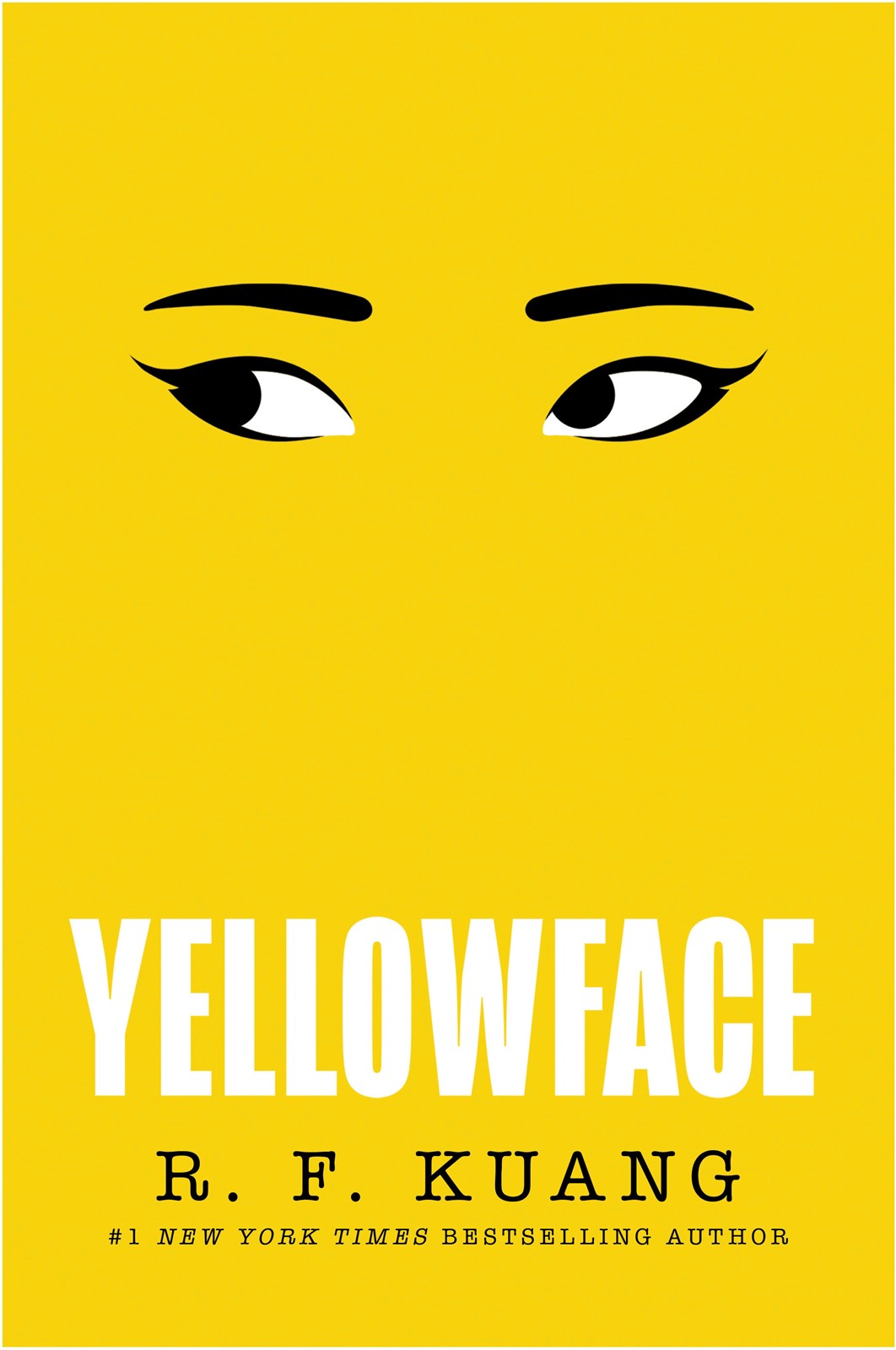
YELLOWFACE, by R.F. Kuang. Kuang’s first foray outside of the fantasy genre is a breezy and propulsive tale about a white woman who achieves literary success by stealing a manuscript from a recently deceased Asian friend and passing it off as her own. (Morrow)
Historical fiction
THE COVENANT OF WATER, by Abraham Verghese. Verghese’s first novel since “Cutting for Stone” follows generations of a family across 77 years in southwestern India as they contend with political strife and other troubles — capped by a shocking discovery made by the matriarch’s granddaughter, a doctor. (Grove)
FORBIDDEN NOTEBOOK, by Alba de Céspedes. Translated by Ann Goldstein, this elegant novel from the 1950s tells the story of a married mother, Valeria, whose life is transformed when she begins keeping a secret diary. (Astra House)
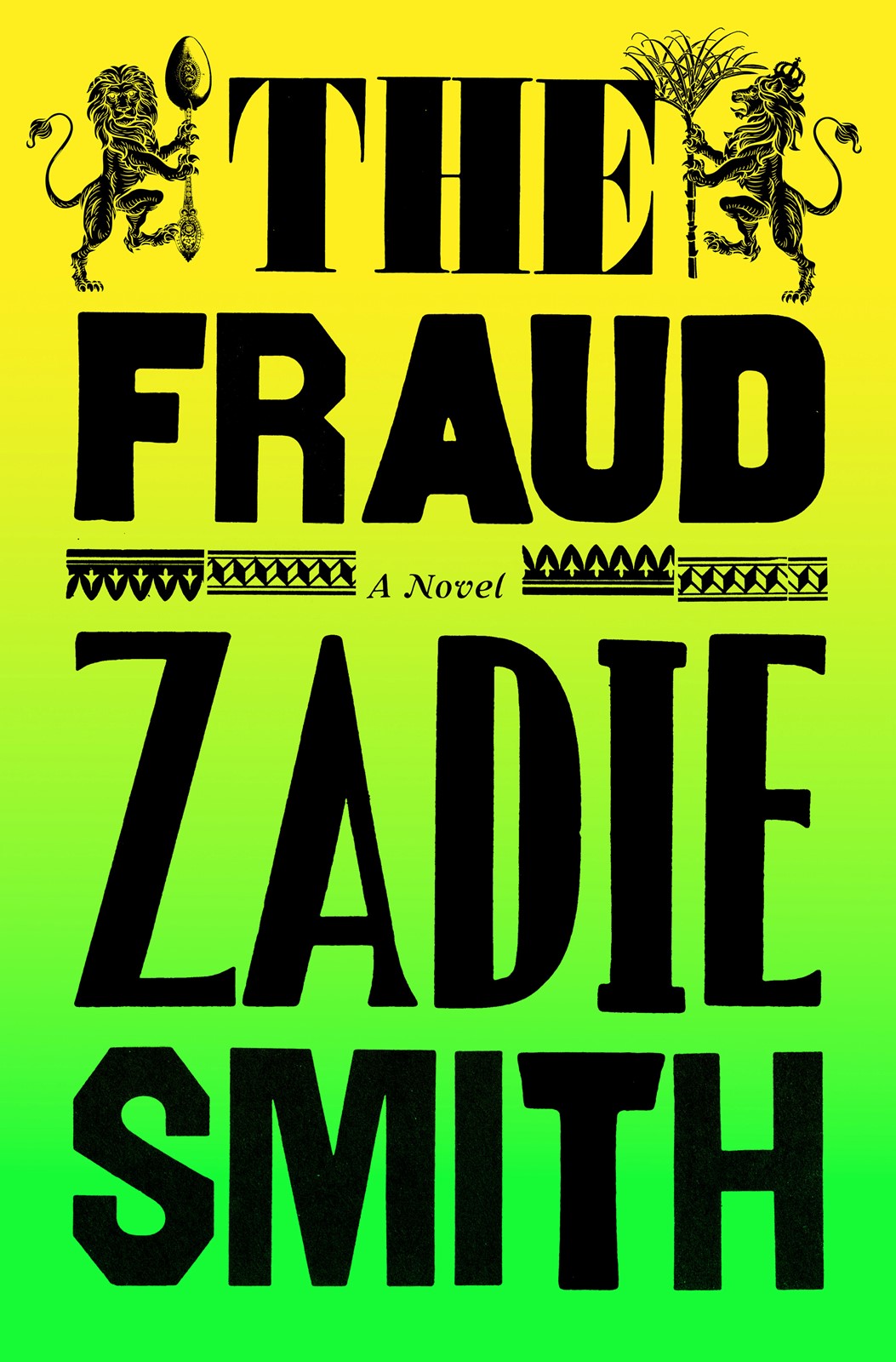
THE FRAUD, by Zadie Smith. Based on a celebrated 19th-century trial in which the defendant was accused of impersonating a nobleman, Smith’s novel offers a vast panoply of London and the English countryside. (Penguin Press)
KANTIKA, by Elizabeth Graver. This exquisitely imagined family saga spans cultures and continents as it traces the migrations of a Sephardic Jewish girl from turn-of-the-20th-century Constantinople. (Metropolitan Books)
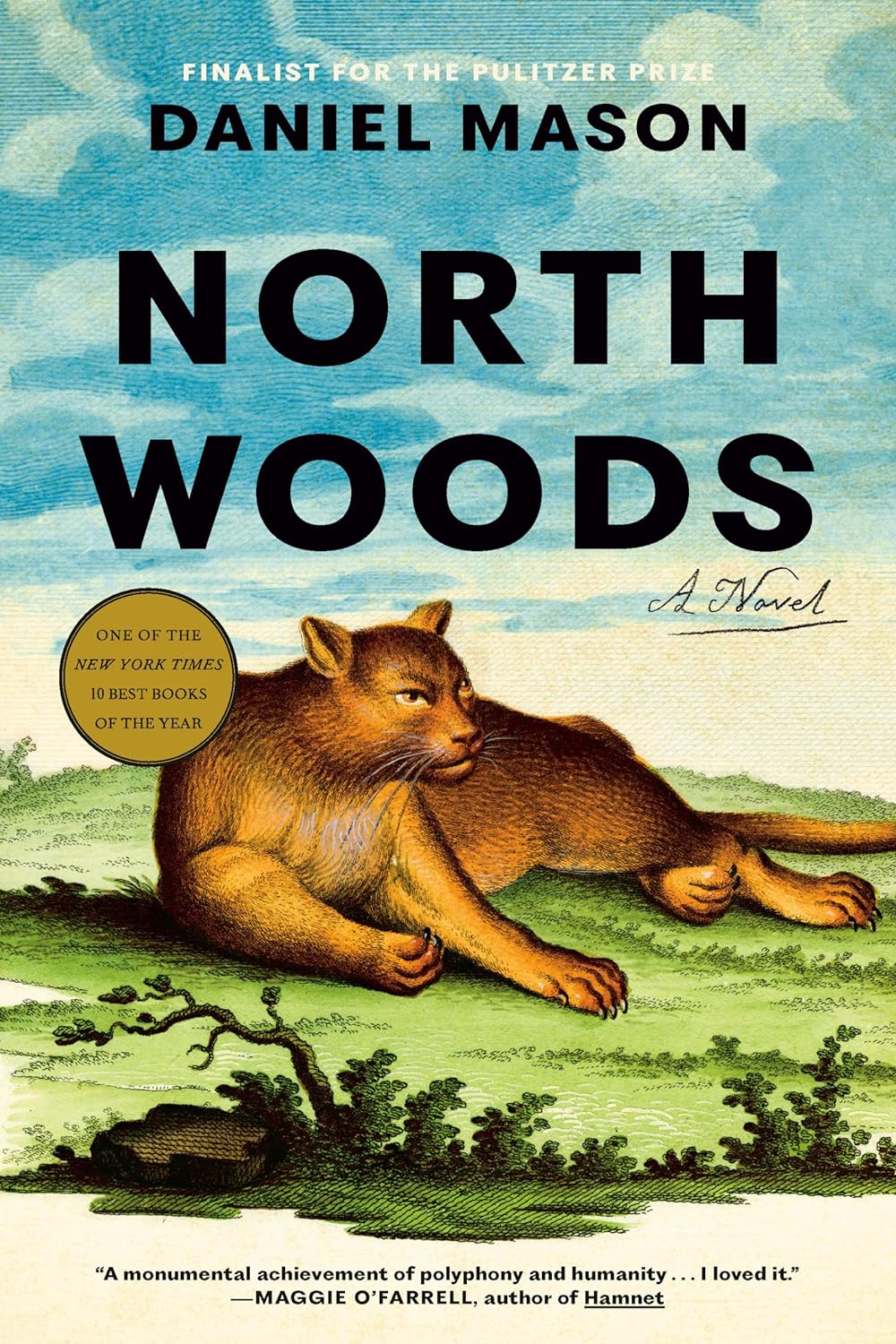
NORTH WOODS, by Daniel Mason. Mason’s novel looks at the occupants of a single house in Massachusetts over several centuries, from colonial times to present day. An apple farmer, an abolitionist, a wealthy manufacturer: The book follows these lives and many others, with detours into natural history and crime reportage. (Random House)
NOT EVEN THE DEAD, by Juan Gómez Bárcena. An ex-conquistador in Spanish-ruled, 16th-century Mexico is asked to hunt down an Indigenous prophet in this novel by a leading writer in Spain, splendidly translated by Katie Whittemore. The epic search stretches across much of the continent and, as the author bends time and history, lasts centuries. (Open Letter Books)
THIS OTHER EDEN, by Paul Harding. In his latest novel, inspired by the true story of a devastating 1912 eviction in Maine that displaced an entire mixed-race fishing community, Harding turns that history into a lyrical tale about the fictional Apple Island on the cusp of destruction. (Norton)
VICTORY CITY, by Salman Rushdie. Rushdie’s new novel recounts the life of Pampa Kampana, who creates an empire from magic seeds in 14th-century India. Her world is one of peace, where men and women are equal and all faiths welcome, but the story Rushdie tells is of a state that fails to live up to its ideals. (Random House)
Horror
HOLLY, by Stephen King. The scrappy private detective Holly Gibney (who appeared in “The Outsider” and several other novels) returns, this time taking on a missing-persons case that — in typical King fashion — unfolds into a tale of Dickensian proportions. (Scribner)
LONE WOMEN, by Victor LaValle. The year is 1915, and the narrator of LaValle’s horror-tinged western has arrived in Montana to cultivate an unforgiving homestead. She’s looking for a fresh start as a single Black woman, but her locked trunk holds a terrifying secret. (One World)
OUR SHARE OF NIGHT, by Mariana Enriquez. This dazzling narrative, translated from the Spanish by Megan McDowell, is a bewitching brew of mystery and myth, peopled by mediums who can summon “the Darkness.” (Hogarth)
THE REFORMATORY, by Tananarive Due. Due’s latest — about a Black boy, Robert, who is wrongfully sentenced to a fictionalized version of Florida’s infamous Dozier School — is both an incisive examination of the lingering traumas of racism and a gripping, ghost-filled horror novel. (Saga Press)
Poetry
FROM FROM, by Monica Youn. In this svelte, intrepid foray into American racism, Youn turns a knowing eye on society’s love-hate relationship with what it sees as the “other.” (Graywolf)
THE ILIAD, by Homer. Emily Wilson’s propulsive new translation of the “Iliad” is buoyant and expressive; she wants this version to be read aloud, and it would certainly be fun to perform. (Norton)
Romance
EMILY WILDE’S ENCYCLOPAEDIA OF FAERIES, by Heather Fawcett. The world-building in this tale of a woman documenting a new kind of faerie is exquisite, and the characters are just as textured and richly drawn. (Del Rey)
WE COULD BE SO GOOD, by Cat Sebastian. This queer midcentury romance — about reporters who meet at work, become friends, move in together and fall in love — lingers on small, everyday acts, the things that loom large because they’re how we connect with others. (Avon)
Science fiction & fantasy
INK BLOOD SISTER
SCRIBE, by Emma Törzs. The sisters in Törzs’s delightful debut have been raised to protect a collection of magic books that allow their keepers to do incredible things. Their story accelerates like a fugue, ably conducted to a tender conclusion. (Morrow)
THE SAINT OF BRIGHT DOORS, by Vajra Chandrasekera. Trained to kill by his mother and able to see demons, the protagonist of Chandrasekera’s stunning and lyrical novel flees his destiny as an assassin and winds up in a politically volatile metropolis. (Tor.com)
Thrillers & mysteries
ALL THE SINNERS BLEED, by S.A. Cosby. In his earlier thrillers, Cosby worked the outlaw side of the crime genre. In his new one — about a Black sheriff in a rural Southern town — he’s written a crackling good police procedural. (Flatiron)
BRIGHT YOUNG WOMEN, by Jessica Knoll. In her most assured novel, Knoll shifts readers’ attention away from a notorious serial killer, Ted Bundy, and onto the lives of the women he killed. (Marysue Rucci Books)
CROOK MANIFESTO, by Colson Whitehead. Returning to the world of his novel “Harlem Shuffle,” Whitehead again uses a crime story to illuminate a singular neighborhood at a tipping point — here, Harlem in the 1970s. (Doubleday)
THE HEAVEN & EARTH GROCERY STORE, by James McBride. McBride’s latest, an intimate, big-hearted tale of community, opens with a human skeleton found in a well in the 1970s, and then flashes back to the past, to the ‘20s and ‘30s, to explore the town’s immigrant history. (Riverhead)
NONFICTION
Art
THE SLIP: The New York City Street That Changed American Art Forever, by Prudence Peiffer. From Ellsworth Kelly to Agnes Martin to Robert Indiana, a group of scrappy artists gathered in illegal studios at the tip of Lower Manhattan in the 1950s, trying to provide an answer to Abstract Expressionism. (Harper)
SPOKEN WORD: A Cultural History, by Joshua Bennett. Bennett’s engaging history of a literary and cultural movement tracks its evolution from the earliest days of the Nuyorican Poets Cafe on the Lower East Side to the first iterations of slam poetry and beyond. (Knopf)
Biographies & memoirs
ANANSI’S GOLD: The Man Who Looted the West, Outfoxed Washington, and Swindled the World, by Yepoka Yeebo. Yeebo tracks down the elusive story of John Ackah Blay-Miezah, who revolutionized the “advance fee” scam (say, a Nigerian prince wants to wire you money), and contextualizes it within a Ghana — and a world — that allowed him to thrive. (Bloomsbury)
THE BEST MINDS: A Story of Friendship, Madness, and the Tragedy of Good Intentions, by Jonathan Rosen. A literary and compassionate examination of the porous line between brilliance and insanity, this riveting memoir traces the author’s childhood friendship and sometime rivalry with a Yale classmate who is now in prison for murdering his girlfriend. (Penguin Press)
DAUGHTER OF THE DRAGON: Anna May Wong’s Rendezvous With American History, by Yunte Huang. Huang’s new book, a biography embedded in cultural criticism, is an absorbing account of the life and times of a Chinese American starlet whose career spanned silent movies, talkies and television. (Liveright)
EASILY SLIP INTO ANOTHER WORLD: A Life in Music, by Henry Threadgill and Brent Hayes Edwards. The jazz artist Henry Threadgill’s ardent memoir ranges from his maddening wartime experiences in Vietnam to his boundary-pushing musical career. (Knopf)
HOW TO SAY BABYLON, by Safiya Sinclair. This breathless, scorching memoir of a girlhood spent becoming the perfect Rasta daughter and an adolescence spent becoming one of Jamaica’s most promising young poets drips with tender sensuality and complexity. (37 Ink)
KING: A Life, by Jonathan Eig. Eig’s book, which draws on a landslide of recently released government documents as well as letters and interviews, is worthy of its subject: both an intimate study of a complex and flawed human being and a journalistic account of a civil rights titan. (Farrar, Straus & Giroux)
LIVES OF THE WIVES: Five Literary Marriages, by Carmela Ciuraru. The relationships at the center of Ciuraru’s lively and absorbing new literary history vary widely, but are united by questions of ego and agency, competition and resentment. (Harper)
A LIVING REMEDY, by Nicole Chung. Chung’s powerful second memoir is a look at family, illness and grief, and the way systemic issues like access to health care, capitalism and racism exacerbate loss. (Ecco)
MY NAME IS BARBRA, by Barbra Streisand. “I’m the greatest star!” the 21-year-old actress defiantly sang in Broadway’s 1964 hit “Funny Girl.” Nearly six decades later, over 992 pages, Streisand chronicles how she delivered on that promise, a rocket ride from Brooklyn to Malibu. (Viking)
THE ODYSSEY OF PHILLIS WHEATLEY: A Poet’s Journeys Through American Slavery and Independence, by David Waldstreicher. A beautiful and cogently argued biography offers a radical new vision of the life and work of colonial America’s brilliant Black female poet. (Farrar, Straus & Giroux)
ORDINARY NOTES, by Christina Sharpe. In this volume of 248 numbered notes, Sharpe assembles memories and insights, artifacts and artworks, balancing the persistence of racism and brutality with a rich variety of Black life. (Farrar, Straus <saxo:ch value=”38”/> Giroux)
PAGEBOY, by Elliot Page. The Oscar-nominated actor offers a brutally honest account of child stardom, the pressure to conform in Hollywood and, ultimately, the announcement of his gender transition in 2020. (Flatiron)
SCHOENBERG: Why He Matters, by Harvey Sachs. An impassioned defense of Arnold Schoenberg, creator of some of the most challenging music ever. (Liveright)
SINK, by Joseph Earl Thomas. The lush prose of this memoir perfectly suits the author’s tender, teeming boyhood imagination, in which video-game and manga characters offered more guidance than volatile adults did. (Grand Central)
UP HOME: One Girl’s Journey, by Ruth J. Simmons. Simmons’s evocative account of her trajectory from Jim Crow Texas, where she was the youngest of 12 children in a sharecropping family, to the presidencies of Smith College and Brown University shines with tenderness and dignity. (Random House)
WAITING TO BE ARRESTED AT NIGHT: A Uyghur Poet’s Memoir of China’s Genocide, by Tahir Hamut Izgil. Offering a rare glimpse into the culture of China’s persecuted Muslim Uyghur minority, this eloquent memoir by a poet who escaped with his family to the United States (and translated by Joshua L. Freeman) unfolds a horror story with restraint. (Penguin Press)
WIFEDOM: Mrs. Orwell’s Invisible Life, by Anna Funder. Even George Orwell, whose dealings with women were often problematic, admitted that he behaved badly toward his first wife, Eileen O’Shaughnessy. This book focuses on O’Shaughnessy, and combines her story with a bravura analysis of female invisibility. (Knopf)
History
BATTLE OF INK AND ICE: A Sensational Story of News Barons, North Pole Explorers, and the Making of Modern Media, by Darrell Hartman. This brisk, true-life adventure revives the headline-grabbing debate over which explorer reached the North Pole first — and which newspaper broke the news. (Viking)
BUILT FROM THE FIRE: The Epic Story of Tulsa’s Greenwood District, America’s Black Wall Street, by Victor Luckerson. This ambitious history provides a gripping account of the prosperous Black neighborhood decimated by the city’s 1921 race massacre and the community resurrected in its aftermath. (Random House)
THE EXCEPTIONS: Nancy Hopkins, MIT, and the Fight for Women in Science, by Kate Zernike. Zernike’s excellent and infuriating tale of the fight for fairness at M.I.T. and beyond is not merely a fast-paced account of one woman’s accomplishments but a larger history of women in STEM. (Scribner)
THE GREAT ESCAPE: A True Story of Forced Labor and Immigrant Dreams in America, by Saket Soni. In this gripping account, Soni, a labor organizer, details the story of Indian men lured to this country on promises of work and green cards, who ended up in semi-captivity in Mississippi. (Algonquin)
JUDGMENT AT TOKYO: World War II on Trial and the Making of Modern Asia, by Gary J. Bass. This comprehensive treatment of the prosecution of Japanese war crimes after World War II is an elegantly written and immersive account of a moment that shaped not just the politics of the region, but of the Cold War to come. (Knopf)
THE LAND OF HOPE AND FEAR: Israel’s Battle for Its Inner Soul, by Isabel Kershner. Published months before the Israel-Hamas war, this book by a longtime correspondent in Jerusalem presents a complicated portrait of the many communities and faiths that constitute Israel three-quarters of a century into its existence. (Knopf)
MASTER SLAVE HUSBAND WIFE: An Epic Journey From Slavery to Freedom, by Ilyon Woo. Woo’s book recounts the successful flight north from Georgia in 1848 by an enslaved couple disguised as a young white planter and his male slave. Her meticulous retelling is equally a feat — of research, sympathy and insight. (Simon & Schuster)
THE REDISCOVERY OF AMERICA: Native Peoples and the Unmaking of U.S. History, by Ned Blackhawk. This ambitious retelling of the American story — winner of a 2023 National Book Award — places Indigenous populations at the center, a shift in perspective that yields fresh insights. (Yale University Press)
TIME’S ECHO: The Second World War, the Holocaust, and the Music of Remembrance, by Jeremy Eichler. This cultural history takes up works by Schoenberg, Britten, Shostakovich and Richard Strauss that reflect on World War II and the Holocaust, urging listeners to consider the link between music and remembrance. (Knopf)
THE 272: The Families Who Were Enslaved and Sold to Build the American Catholic Church, by Rachel L. Swarns. Swarns fashions a complex portrait of 19th-century American Catholicism through the story of the nearly 300 people enslaved on Jesuit plantations who were sold in 1838 to save Georgetown University from ruin. (Random House)
THE WAGER: A Tale of Shipwreck, Mutiny and Murder, by David Grann. After the H.M.S. Wager was shipwrecked off the coast of Patagonia in 1742, surviving crew members returned to England with dramatic tales about what had transpired. Grann recreates the voyage in all its enthralling horror. (Doubleday)
YOU HAVE TO BE PREPARED TO DIE BEFORE YOU CAN BEGIN TO LIVE: Ten Weeks in Birmingham That Changed America, by Paul Kix. The 1963 campaign to integrate Birmingham, Ala., led to shocking brutality: youths blasted by fire hoses and set upon by police dogs. Kix weaves those images into a harrowing narrative of a crucial juncture in the civil rights movement. (Celadon)
Investigative reporting
LILIANA’S INVINCIBLE SUMMER: A Sister’s Search for Justice, by Cristina Rivera Garza. In 1990, Rivera Garza’s 20-year-old sister was murdered in Mexico. That case is the inspiration and launching point for this memoir, a personal and cultural look at femicide in Mexico. (Hogarth)
SOME PEOPLE NEED KILLING: A Memoir of Murder in My Country, by Patricia Evangelista. In powerful prose, a Philippine journalist recounts her investigation into the campaign of extrajudicial murders under former President Rodrigo Duterte. (Random House)
A THREAD OF VIOLENCE: A Story of Truth, Invention, and Murder, by Mark O’Connell. O’Connell brings literary flourish and a philosophical bent to this investigation of an infamous Irish murder case. (Doubleday)
UNSCRIPTED: The Epic Battle for a Media Empire and the Redstone Family Legacy, by James B. Stewart and Rachel Abrams. This jaw-dropping chronicle by two Times reporters of the final years of Sumner Redstone, the head of Paramount, is an epic tale of toxic wealth and greed populated by connivers and manipulators, not least Redstone himself. (Penguin Press)
Philosophy
THE HALF KNOWN LIFE: In Search of Paradise, by Pico Iyer. In talking to people the world over about what paradise means to them, Iyer provides hours of thought-provoking meditations. (Riverhead)
HUMANLY POSSIBLE: Seven Hundred Years of Humanist Freethinking, Inquiry, and Hope, by Sarah Bakewell. Bakewell manages to wrangle seven centuries of humanist thought into a brisk narrative with characteristic wit and clarity, resisting the traps of windy abstraction and glib oversimplification. (Penguin Press)
THE RIGOR OF ANGELS: Borges, Heisenberg, Kant, and the Ultimate Nature of Reality, by William Egginton. Challenging, ambitious and elegant, this book explores nothing less than “the ultimate nature of reality” through the work of three figures: Jorge Luis Borges, Werner Heisenberg and Immanuel Kant. (Pantheon)
Politics
BOTTOMS UP AND THE DEVIL LAUGHS: A Journey Through the Deep State, by Kerry Howley. Howley writes about the national security state and those who get entangled in it — fabulists, truth tellers, combatants, whistle-blowers. Like many of us, they have left traces of themselves in the digital ether by making a phone call, texting a friend, looking something up online. (Knopf)
DOPPELGANGER: A Trip Into the Mirror World, by Naomi Klein. After she was repeatedly confused online with the feminist scholar turned anti-vaxxer Naomi Wolf, Klein turned the experience into this sober, stylish account of the lure of disdain and paranoia. (Farrar, Straus & Giroux)
THE KINGDOM, THE POWER, AND THE GLORY: American Evangelicals in an Age of Extremism, by Tim Alberta. Having detailed how President Trump’s rise to power occurred amid a civil war within the Republican Party in “American Carnage,” Alberta turns his eye on the American evangelical movement. (Harper)
THE UNDERTOW: Scenes From a Slow Civil War, by Jeff Sharlet. Anxious about America’s political divides, Sharlet spoke with pastors, gun fanatics and QAnon adherents. The result is an eloquent cri de coeur by a writer struggling to meet political and moral unreason with compassion and grace. (Norton)
Pop culture
MONSTERS: A Fan’s Dilemma, by Claire Dederer. “Everyone alive is either canceled or about to be canceled,” writes the author of this meditation on polarizing cultural figures (Nabokov, Polanski, et al.) and the struggle to reconcile great art with the misdeeds of its creators. (Knopf)
OSCAR WARS: A History of Hollywood in Gold, Sweat, and Tears, by Michael Schulman. A deeply researched and compulsively readable history digs into the scandal-soaked history of the Academy Awards. (Harper)
Science
COBALT RED: How the Blood of the Congo Powers Our Lives, by Siddharth Kara. Cobalt is essential to the tech industry, but as Kara’s harrowing account demonstrates, it comes at a high cost: Much of the mineral is mined in toxic conditions for subsistence wages in Congo. (St. Martin’s Press)
CROSSINGS: How Road Ecology Is Shaping the Future of Our Planet, by Ben Goldfarb. Goldfarb, an environmental journalist, crafts a fascinating and sensitive look at the costs of roads, both for wild animals and for humans. (Norton)
FIRE WEATHER: A True Story From a Hotter World, by John Vaillant. This timely and riveting account of the 2016 McMurray wildfire explores not just that Canadian inferno but what it bodes for the future. (Knopf)
WHAT AN OWL KNOWS: The New Science of the World’s Most Enigmatic Birds, by Jennifer Ackerman. There are some 260 species of owls spread across every continent except Antarctica, and in this fascinating book, Ackerman explains why the birds are both naturally wondrous and culturally significant. (Penguin Press)
Sociology
OUR MIGRANT SOULS: A Meditation on Race and the Meanings and Myths of “Latino,” by Héctor Tobar. Tobar, a longtime journalist, delivers a kaleidoscopic account of Latino American experience, dispelling stereotypes and underscoring diversity in prose that is by turns lyrical, outraged, scholarly and affectingly personal. (MCDxFSG)
POVERTY, BY AMERICA, by Matthew Desmond.The central claim of this manifesto by the Princeton sociologist is that poverty in the United States is the product not only of larger economic shifts, but of choices and actions by more fortunate Americans. (Crown)
Graphic novels
A GUEST IN THE HOUSE, by Emily Carroll. After a lonely young woman marries a mild-mannered widower she begins to wonder how his first wife died. This graphic novel alternates between black-and-white and overwhelming colors as it explores the mundane and the horrific. (First Second)
MONICA, by Daniel Clowes. In Clowes’s luminous new work, the titular character, abandoned by her mother as a child, endures a life of calamities before resolving to learn about her origins and track down her parents. (Fantagraphics)
 PREVIOUS ARTICLE
