




Dental visits can be daunting — and not just because of the whirring drills. Dentists may seem to speak another language entirely, and everything they suggest can feel important.
To get the best results and a more positive experience, experts recommend speaking up. Here are tips for what to ask and how to evaluate the treatments you are offered at the dentist.
• Get a good look at the problems yourself. The first step to effectively advocating for yourself is understanding what your problems are. Ask your dentist to show you exactly where the pockets of your gums are getting deeper and letting bacteria accumulate, or which fillings are getting worn down by night grinding.
“You don’t have to get technical about it,” said Ellie Phillips, a preventive dentist based in Austin, Texas. “But I would recommend noting if it’s something affecting your front teeth or the back of your mouth. Is it on the outside, which is the cheek side, or is it on the tongue side?”
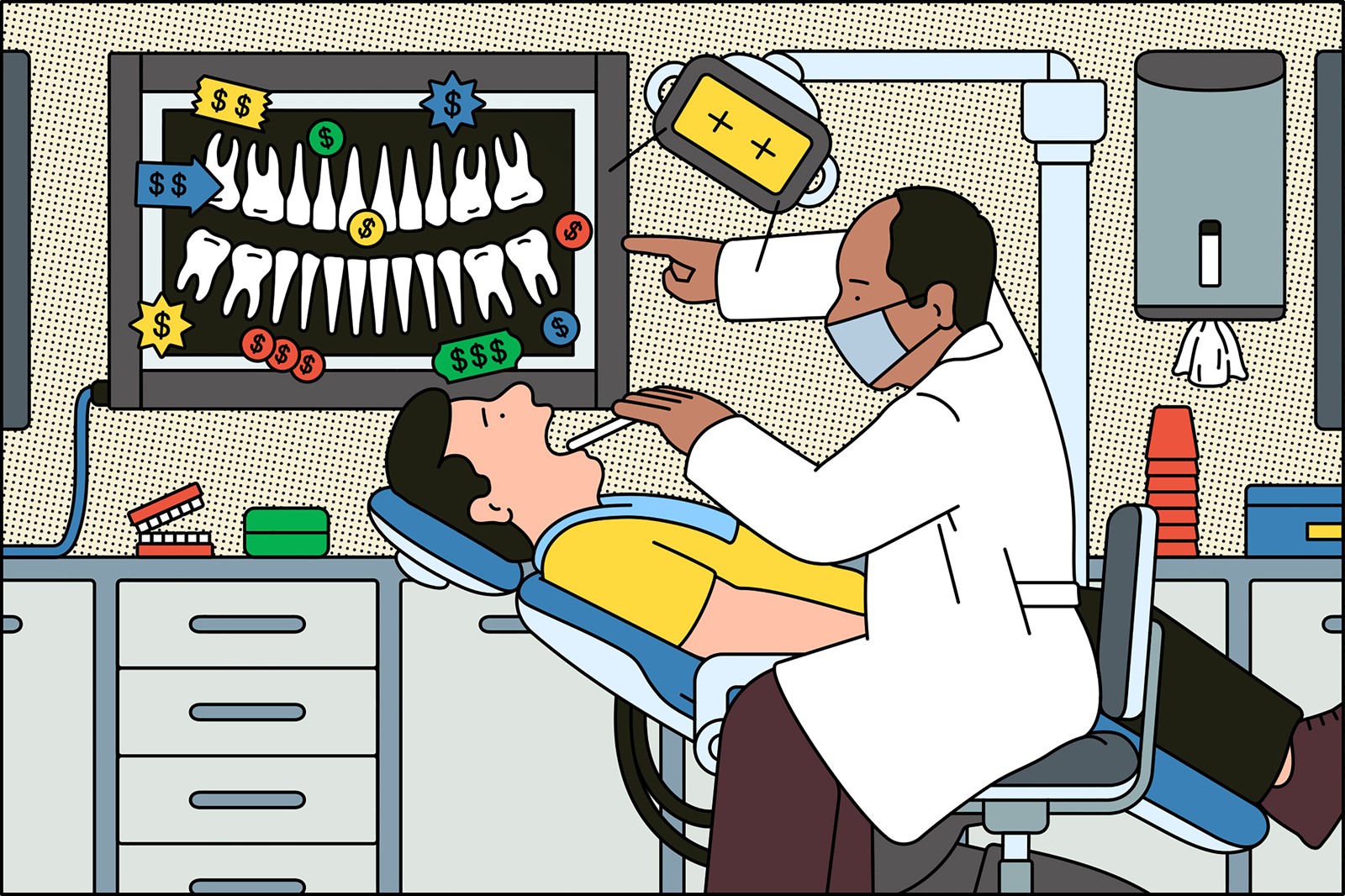
Visual aids such as X-rays or images from an intraoral camera — or even just looking in a mirror — can also help demystify what’s going on in your mouth.
• Don’t feel pressured to agree to anything — even cleanings. Your dentist should be able to explain why particular problem areas need specific treatments, said Alyson Leffel, director of patient advocacy and social work at the NYU College of Dentistry. And it’s perfectly reasonable to ask them for time to research and reflect on your options.
• Not every child or adult needs cleanings twice a year, for instance. Studies have found they don’t necessarily lead to better dental outcomes. Similarly, experts debate the benefits of extracting wisdom teeth. And old silver fillings don’t always have to be replaced with composite ones. If you feel uncomfortable pushing back in the moment, one way to give yourself more time is to schedule the recommended appointment for a future date, Phillips said. Then you can call to reschedule or cancel later.
• Ask what’s urgent, and what the alternatives are. Some issues, like an abscess, may need to be treated right away. But others, such as implants, should ideally be dealt with over multiple appointments, Phillips said. It’s the dentist’s job to lay out a treatment plan that prioritizes the most urgent issues and avoids piling major treatments into a single visit.
Experts also recommended asking about alternative treatments, such as antibiotics for managing gum disease instead of scaling and root planing or surgery. There may also be alternative materials available for the same kind of fix, like porcelain, resin or gold crowns.
• Get a second opinion. If you have oral surgery or another big procedure coming up, or feel uncomfortable with your dentist’s recommendations for any reason, consider getting another expert’s perspective. If you need your bite corrected, talk to an orthodontist. If you have pain or bleeding in your gums, seek out a periodontist. And if a dentist has recommended a root canal or a full mouth extraction, consult an endodontist or oral surgeon, said Craigg Voightmann, a dental malpractice lawyer in Scottsdale, Ariz.
• Beware of other red flags. Be wary if a new dentist recommends far more treatment than your previous provider ever suggested. Not all procedures are strictly necessary. For example, some early-stage cavities can simply be monitored every couple of months and don’t need to be filled right away.
 PREVIOUS ARTICLE
