




As we head into the Thanksgiving holiday, Americans have a great deal to be thankful for. Indeed, next week’s column will review why California taxpayers can be hopeful in the coming year.
But for now, allow us to be the dark cloud in front of the silver lining.
Don’t get me wrong. The defeat of Proposition 5 was a huge victory that not only preserved an essential taxpayer protection that has been in the state constitution since 1879, the voters’ rejection of Prop. 5 also stopped endless property tax hikes in the future that would circumvent the limits of Proposition 13.
Moreover, while California voters also turned more conservative on other ballot measures — minimum wage, public safety, and rent control — our joy is tempered by “what could have been.”
On election night, both here in California and nationally, it was clear that voters were rejecting the status quo of expanding progressivism. But regrettably, what could have been a huge benefit to property owners, taxpayers, and the California economy at large, didn’t happen because the Taxpayer Protection and Government Accountability Act had been removed from the ballot.
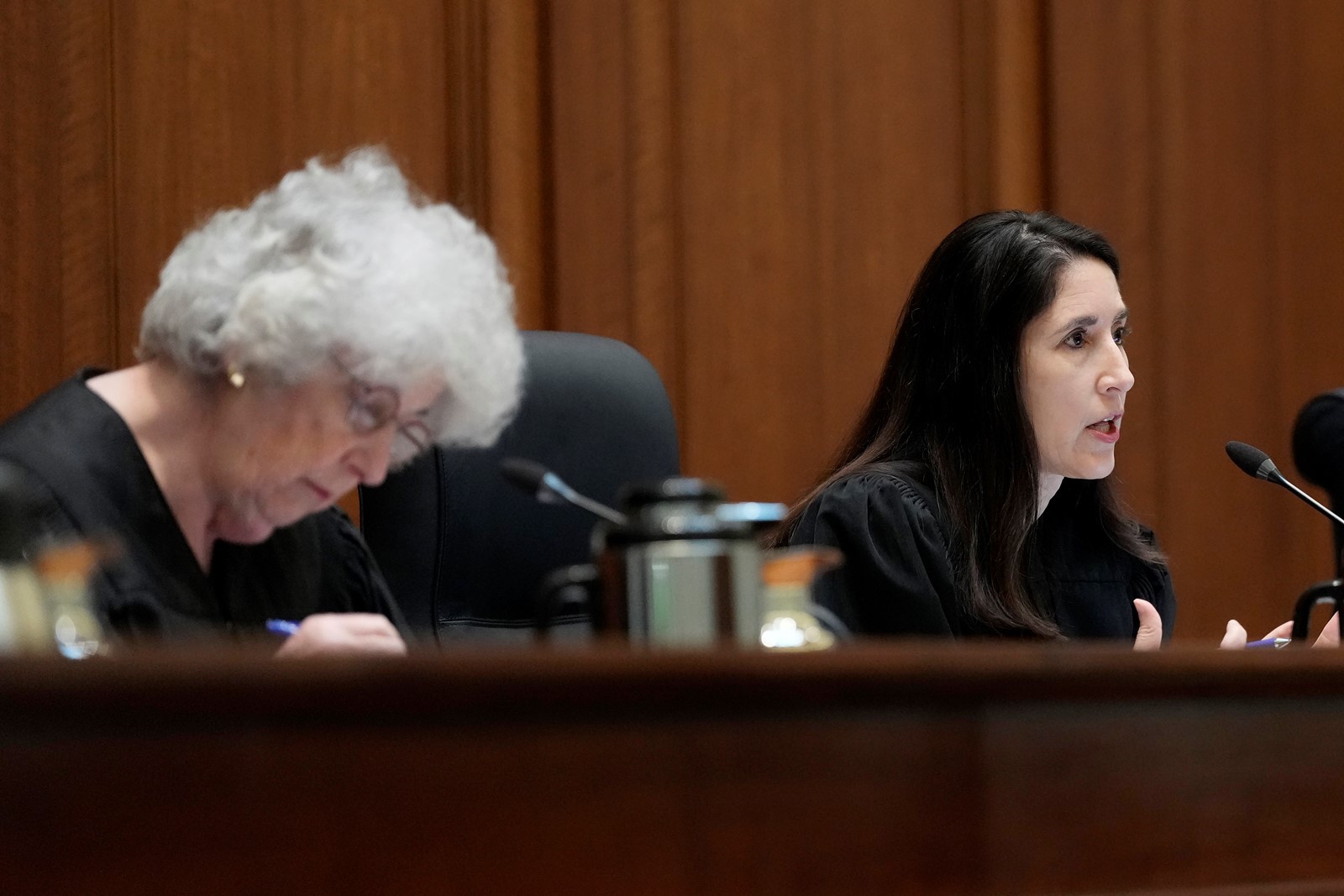
In an unprecedented exercise of raw political power that comes with one-party rule, the California Supreme Court invalidated the Taxpayer Protection Act, which had already qualified for the November ballot. They did so at the bidding of Gov. Gavin Newsom and the state’s supermajority legislative leaders, thereby ignoring the rights of the more than 1.4 million California voters who had signed petitions to place initiative on the ballot.
The Taxpayer Protection Act, or TPA, was the latest battle in the 46-year war over whether it will or will not be easier to raise taxes in California. TPA was sponsored by the Howard Jarvis Taxpayers Association, the California Business Roundtable, and the California Business Properties Association. It had broad support among hundreds of business associations, chambers of commerce and virtually every taxpayer association in California, all concerned with the preservation of Propositions 13 and 218.
The Taxpayer Protection Act was hardly a wholesale revision of the state constitution. Rather, it simply closed court-created loopholes in Prop. 13 as well as provided additional taxpayer safeguards. For example, it would have empowered voters with the right to approve or reject new state or local taxes. It contained transparency provisions to increase accountability, such as requiring ballot titles for tax increases to be clear and truthful. Finally, it would have stopped government agencies from imposing “hidden taxes” disguised as fees imposed by appointed bureaucrats.
In numerous polls, all the elements of the Taxpayer Protection Act were shown to be highly popular. That’s why Gov. Newsom and the California Legislature conspired to take it off the ballot. It’s also why the California Supreme Court ignored the long-standing legal principle of avoiding “pre-election review” of initiative measures by considering challenges only after the election.
Rather than let the voters decide, all three branches of government in California worked in concert to deprive voters of expressing their preference at the ballot box. And these are the same people who farcically claim to be “protecting democracy.”
Given the fact that voters overwhelmingly rejected Proposition 5, it is now clear that the Taxpayer Protection Act would have easily passed because Californians are hungry for even greater protection from greedy politicians and bureaucrats.
For those of us who led the campaign against Prop. 5, we are grateful to voters for recognizing the threat that it presented to homeowners, tenants and businesses. And the icing on the cake is that the defeat of Prop. 5 was, in small measure, payback against the political establishment for what they did to the Taxpayer Protection Act.
But this fight is not over. Less than three weeks after the election, tax-and-spend interests and their puppet representatives are planning new assaults on taxpayers by exploiting the very loopholes that would have been closed had voters been given an opportunity to decide on the Taxpayer Protection Act.
The fight goes on.
Jon Coupal is president of the Howard Jarvis Taxpayers Association.
 PREVIOUS ARTICLE
