


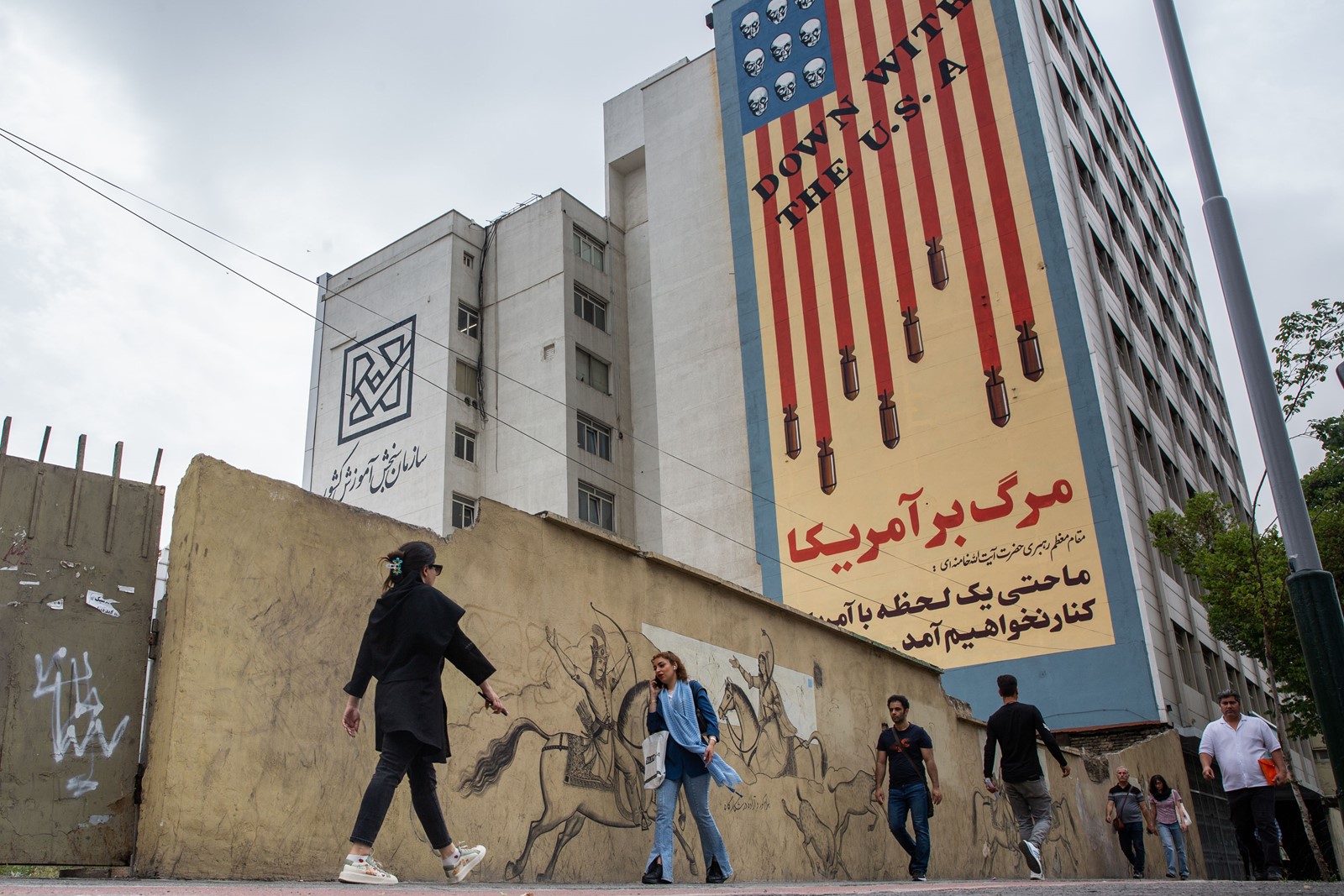


Iran has for decades practiced what critics call hostage diplomacy, a policy of detaining foreigners and dual nationals to leverage them for prisoner swaps and the release of frozen funds. After the 12-day war with Israel and the United States, Iran is once again targeting Americans.
At least four Iranian Americans — two men and two women — are in Iranian custody, according to human rights groups, lawyers and Hostage Aid Worldwide, a nonprofit organization that was founded by former hostages to aid families and that is in touch with the current detainees’ friends and families.
Three of the Americans are in jail, and one has been barred from leaving the country, they said.
The detentions are likely to increase the tense political climate between Tehran and Washington after the United States joined Israel’s attack on Iran and bombarded and severely damaged three of its nuclear sites in June.
Nuclear negotiations with Washington have not resumed since the war in June, but Iran’s foreign minister, Abbas Araghchi, said this past week in an interview with local news media that he and the U.S. special envoy, Steve Witkoff, have been communicating directly through text messages.
President Donald Trump has said that he would not tolerate countries’ wrongful detention of Americans and that their release is a top priority for his administration.
Witkoff’s office did not respond to a question on whether the detention of dual American citizens was brought up in communications with Araghchi.
The State Department has said that it is “closely tracking” reports of Americans being detained in Iran. “For privacy, safety and operational reasons, we do not get into the details of our internal or diplomatic discussions on reported U.S. detainees,” it said in a statement Monday. “We call on Iran to immediately release all unjustly detained individuals in Iran.”
Iran’s mission to the United Nations declined to comment on the detentions. Iran’s Ministry of Intelligence said in a statement on Monday that it had arrested at least 20 people who were working as spies or operatives for Israel in cities across Iran.
The four detained Iranian Americans had all lived in the United States and had traveled to Iran to visit family, according to the rights groups. The families of three of the Americans have asked that their names not be published for fear it could make their situations worse.
Two of the four were arrested by security agents in the immediate aftermath of Israel’s attacks on Iran in June, according to the Human Rights Activists News Agency (or HRANA) and Hengaw, independent rights groups based outside Iran.
One is a 70-year-old Jewish father and grandfather from New York who has a jewelry business. He is being questioned about a trip to Israel, according to the rights groups and the man’s colleagues and friends.
The other is a woman from California who was held in the notorious Evin prison. But her whereabouts is now unclear after Israel attacked Evin in June and the prison was evacuated, according to rights groups and Kylie Moore-Gilbert, an Australian British scholar who was imprisoned in Iran for two years and released in 2020.
Iran is also holding another Iranian American woman, who was first imprisoned and prevented from leaving the country in December 2024. She is currently out of prison, but her Iranian and American passports were confiscated, according to her U.S.-based lawyer who asked not to be named to discuss sensitive information.
The woman works for a U.S. technology company and runs a charity for underprivileged children in Iran. But after the recent war, the Iranian judiciary elevated her case and charged her with espionage, according to her lawyer — a serious crime that can carry many years in prison and even the death penalty.
 PREVIOUS ARTICLE
