


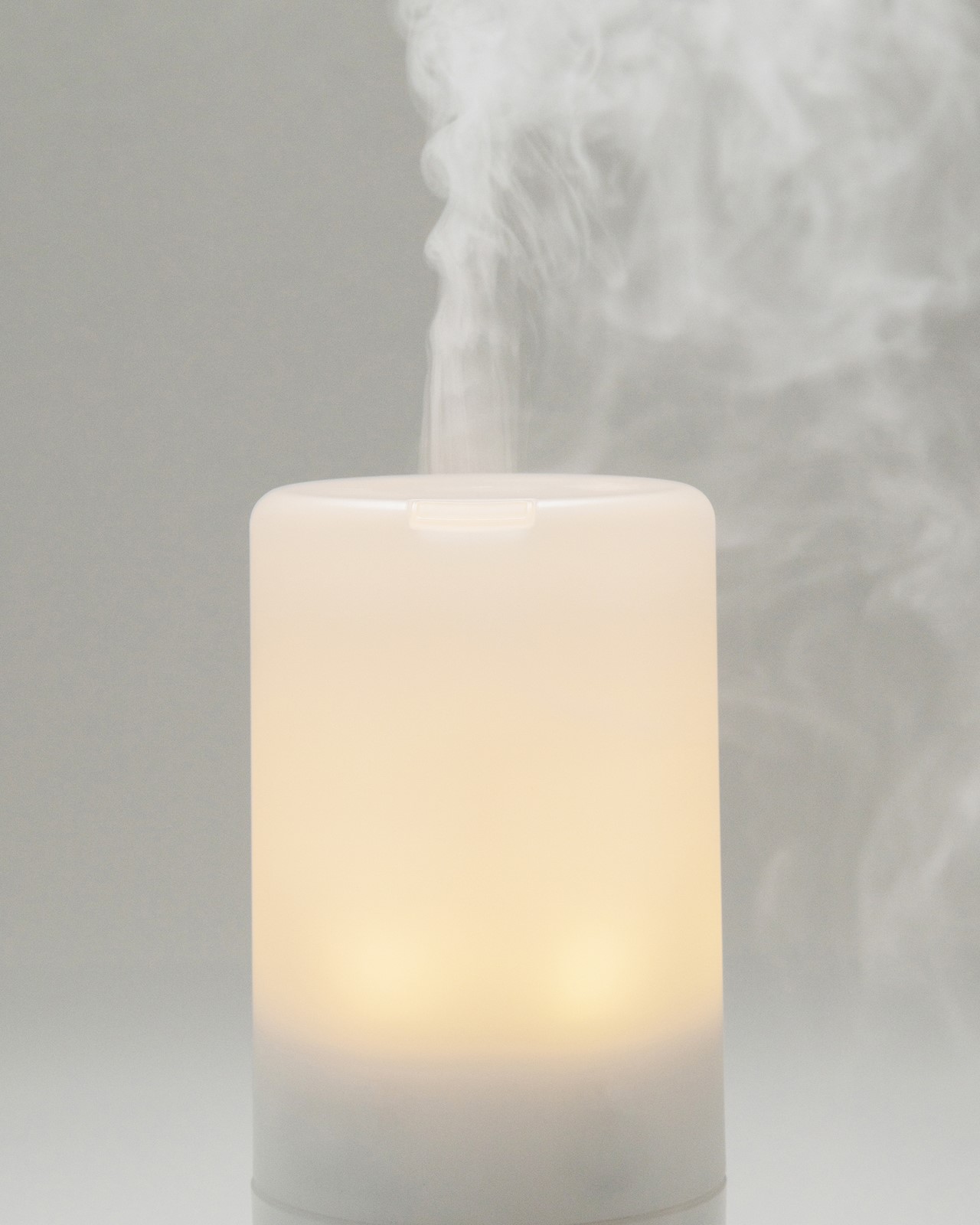


Q: My nose, throat and skin dry out every winter. Can a humidifier help?
A: When temperatures plummet outside, heating systems crank up in homes and offices. But that comfort comes with a price. Heating units strip moisture from indoor air, which can lead to irritated skin, itchiness, parched throats and dry nasal cavities, said Dr. Erich Voigt, the director of otolaryngology — medical conditions of the ear, nose and throat — at NYU Langone Health.
One way to ease these symptoms, he added, is to use a humidifier in the places where you spend most of your time.
“Humidifiers can provide modest relief, but they’re not a cure-all,” said Dr. Likhita Shaik, a sleep medicine specialist with University of Iowa Health Care.
What dry air can do
The most common place you might feel the effects of dry air is in the throat and nasal cavity, Voigt said. That can lead to frequent or severe nosebleeds and a dry mouth, especially in the morning, said Dr. Kanwar Kelley, an ear, nose and throat specialist based in Orinda, Calif.
Another common problem is dry, flaky or chapped skin, especially on the face, hands and heels. This tends to be especially noticeable in people with eczema and older adults, said Dr. Whitney Hovenic, a dermatologist and cancer surgeon in Reno, Nev.
Older people may also become more prone to nosebleeds and sinus or lung irritation that disrupts sleep.
Additionally, dry air can worsen snoring, sleep apnea and upper-airway obstruction, aggravating sleep-disordered breathing symptoms such as excessive daytime sleepiness, fatigue and morning headaches, Shaik said. Some people turn to over-the-counter medications like antihistamines and decongestants, but they can further intensify dryness and nighttime symptoms, she added.
Babies are another group of people who can suffer from indoor winter air, because it dries out their mucous.
“They cannot blow their noses or voluntarily cough,” Voigt said.
What humidifiers offer
Simply put, humidifiers add moisture to the air. But it’s not just homes in the desert than can benefit: Even on a rainy day, heating systems can suck the water from indoor air.
It’s not about what’s happening outside; it’s about what’s going on inside, Voigt said: “Most of the patients I see in New York City experience dryness-related symptoms in winter, even when the humidity is high outdoors.”
Humidifiers can be especially helpful for those with conditions like mild eczema; dry, irritated skin; and irritated nasal passages in contained spaces, like bedrooms or offices, said Dr. Aderonke Obayomi, a dermatologist and assistant professor at Mount Sinai Hospital in New York.
However, many of the studies supporting the role of humidifiers in treating or preventing these conditions are small and preliminary. Shaik said that humidifiers could relieve skin tightness or itchiness but that serious eczema flares and painfully cracked skin will likely require other treatment, especially if they persist.
“Humidifiers work best as part of a broader approach that includes proper moisturization and gentle skin care,” Obayomi said.
And while humidification may keep you from waking up with a dry nose or throat, Shaik added, don’t expect it to treat an underlying sleep disorder. At the very least, they can make dry rooms more comfortable, experts said, and for some people, that might be enough of a benefit.
Using a humidifier correctly
The ideal indoor humidity level is between 30% and 50%. Levels below that range are too dry, and those above it can promote dust mites and mold.
To check the dryness of your air, you could buy a hygrometer, which measures the humidity in the air and costs about $15. Many humidifiers come with them built in.
Make sure the humidifier you select is the correct size and strength for the space, or it may not raise the humidity level enough to help. When planning where to place the device, consider the humidity of the entire room rather than a specific section, like next to your bed, Kelley said. This could mean turning the humidifier on several hours before you go to sleep so it has time to do its work.
A small, affordable unit might cover a 300-square-foot space, while some higher-end units can handle up to 3,000 square feet.
 PREVIOUS ARTICLE

