




California voters have narrowly approved a countermeasure designed to kill the billionaires tax, making it harder for the state to enact a wealth tax in the future.
The Associated Press called the race for Proposition 42 on Friday evening as the yes side led with 51.3%, with 96% of the vote counted. The initiative needed a simple majority to pass and to exceed the number of votes that the billionaires tax, known as Proposition 40, received if it had also passed. The Associated Press called the race for Proposition 40 on Monday evening with 52.8% of voters opposed to the tax.
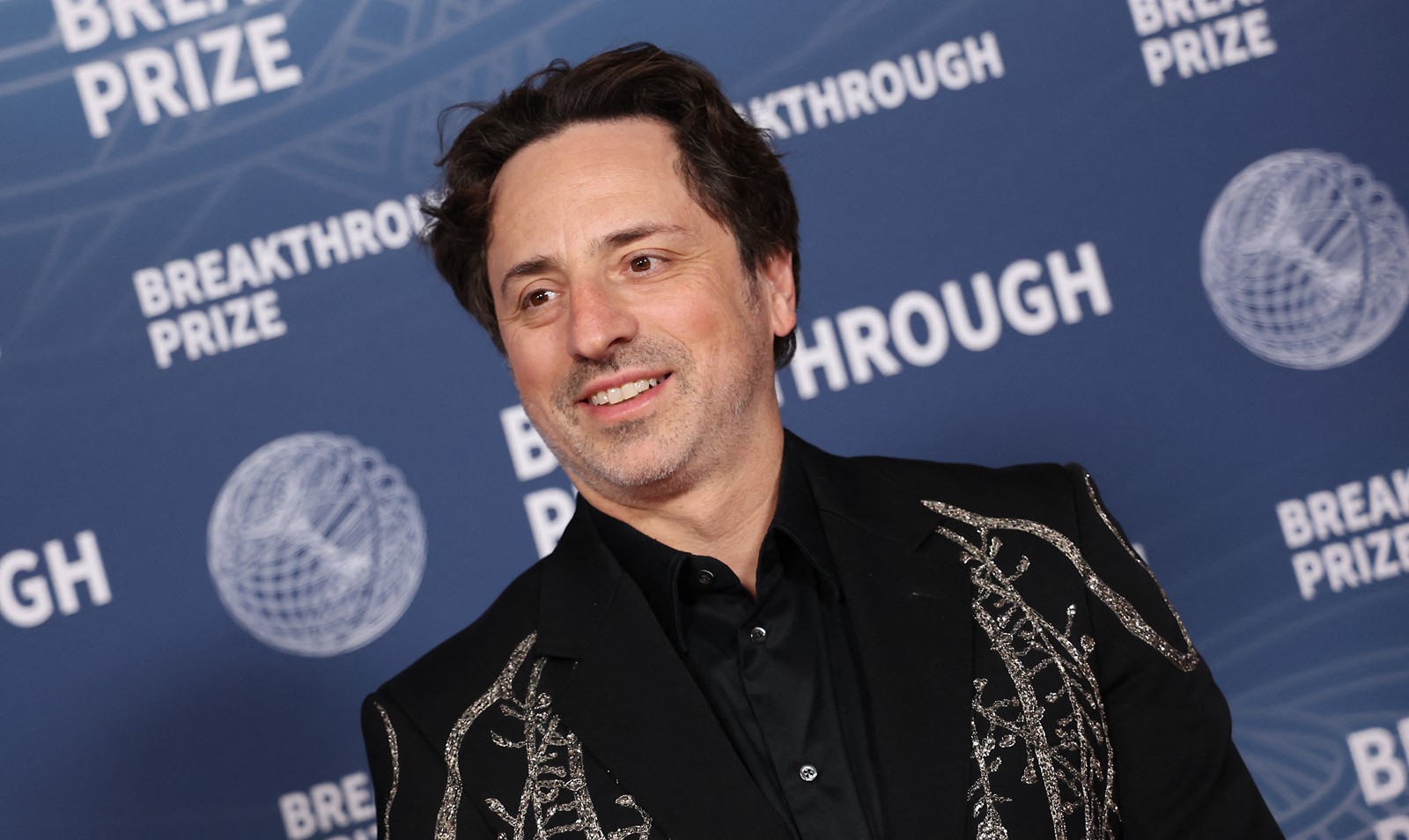
Proposition 42, which was backed by Google co-founder Sergey Brin, will prohibit new taxes on personal property and other assets. It would also limit future retroactive taxes, as Proposition 40 would have applied to billionaires living in the state as of Jan. 1, 2026.
Supporters of the ballot measure argued it would help protect the state’s business climate as several tech billionaires, including Brin and his co-founder Larry Page, moved out of California last year to avoid the tax, which would have placed a 5% levy on the state’s more than 200 billionaires. Brin spent more than $100 million of his own money fighting the tax.
Proposition 42’s backers included Gov. Gavin Newsom, who proposed a national wealth tax instead, and groups like the California Taxpayers Association, the State Building and Construction Trades Council of California and the Bay Area Council. It was one of two initiatives on the November ballot aimed at defeating the billionaires tax. Voters ultimately rejected Proposition 41, which would have required the state auditor to review proposed special taxes before they’re placed on the ballot.
In the Bay Area, Proposition 42 saw a majority opposition from voters in San Francisco and Alameda counties who favored the billionaires tax instead. But in San Mateo County, where roughly 54% of voters rejected the tax, 53.9% of voters as of Friday were against Proposition 42. In Santa Clara and Contra Costa counties, voters were largely split on banning future wealth taxes, with slightly more voters in favor.
“California voters have sent a clear message: the money they work for and save is not the next target for new taxes,” the Yes on 42 campaign said in a statement. “With the passage of Prop 42, Californians’ retirement accounts and life savings now have the protection they deserve. California is one of the most expensive places in the country to live and retire, and 85 percent of Californians say high taxes and the cost of living make it harder to save.”
Suzanne Jimenez, the chief of staff for SEIU United Healthcare Workers West, which backed the billionaires tax, blasted the billionaires behind Propositions 41 and 42, calling it a “deeply misleading and corrupt campaign to protect their fortunes, even as children, families, veterans and seniors face losing access to lifesaving healthcare and emergency rooms.” The billionaires tax was proposed as a way to help offset recent federal cuts to healthcare, education and food assistance.
Backers of Propositions 41 and 42, who also opposed Proposition 40, raised a collective $316 million compared to the proponents of the tax, who raised $33.4 million in support and $22.7 million opposing the other two initiatives, according to the campaign finance data through Oct. 22 from the Secretary of State’s office. Brin and his allies also spent money floating a third countermeasure that ultimately didn’t make its way onto the November ballot.
The billionaires won support from a coalition of public safety and building trade unions, business and taxpayer groups who pitched the measure to voters as protection of their retirement and savings accounts. Proposition 40 would not have taxed retirement accounts.
“It really comes down to certainty,” Rob Gutierrez, the president and CEO of the California Taxpayers Association, previously told this news organization. “What does the future look like, how do you plan, and how do you make decisions so that you know you can stay in California?”
 PREVIOUS ARTICLE

