




Editor’s note: This “best-of” Helen Dennis column was first published in 2020.
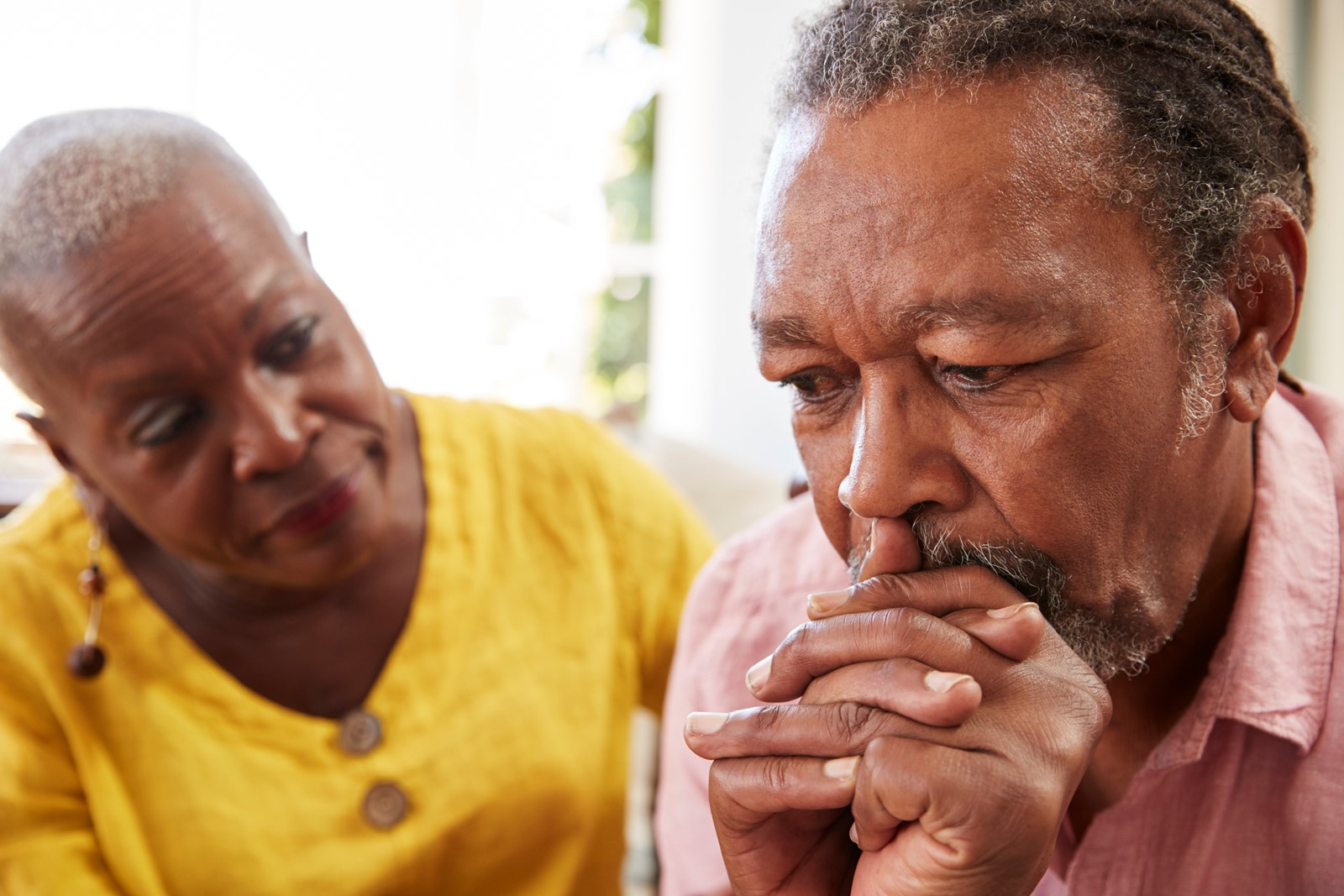
Q: I am concerned about my 83-year-old husband. He has arthritis and a well-managed heart condition. Neither of these are of great concern to me. What worries me is his mood. He is sleeping a lot, not shaving, his appetite has changed and just seems down and out. I am sure he is depressed. Unfortunately, he is not one to go to a doctor just to chat. Is this part of normal aging? Any suggestions?
— R.N.
A: You have reason to be concerned. Contrary to some public opinion, depression is not part of growing older; it is a true and treatable medical condition. Clinical depression is more than just feeling blue or sad when losing a loved one. It’s a common and serious mood disorder that affects how we feel, sleep, eat and work. Most people who experience depression need treatment to get better.
Yet many do not get the help they need. Health care providers can dismiss symptoms of depression, assuming the reaction is just a response to changes that come with life. Older adults suffering from depression don’t always feel sad, so depression may be overlooked.
Rather, they may report feeling tired, lacking energy, trouble sleeping or changes in appetite. Finally, older adults may feel that depression is a sign of weakness and are ashamed to seek treatment.
The good news is that most older adults are not depressed. According to the Centers for Disease Control and Prevention, estimates of depression among older adults ranges from less than 1% to about 5%, rising to 13.5% for those receiving home health care.
Although the estimated incidence is low, older adults are at an increased risk since it is more common for those with other illnesses or limitations. That risk is clear since about 80% of older adults have at least one chronic health condition and half have two or more.
Other risk factors add to the vulnerability:
Life changes: Financial hardships, death of friends or loved ones and moving from work to retirement can be contributors.
Isolation: Feeling lonely and disconnected are significant risk factors. We also know that isolation is considered a national epidemic.
Medication: Depression can be a side effect from some medications when taken alone or in combination with others. About 36% of older adults take five or more prescription drugs.
Symptoms vary from person to person; here are some common signs that may last for many weeks.
Feelings of sadness, emptiness or hopelessness
Feeling irritable, nervous or guilty for no apparent reason
Struggling to concentrate, remember details or make decisions
Feelings of guilt, worthlessness and/or helplessness
Sleeping too much or too little
Changes in appetite
Thoughts of suicide
According to Dr. Lisa Spatz, a Kaiser Permanente physician, as quoted in “Aging and Depression: 9 Need to Know Facts for Older Adults,” there are ways to reduce the risk of depression through exercise, healthy eating and meditation. Spatz adds, “All are great for your brain chemistry.” Exercise is considered among the best ways of combating depression naturally, according to a Harvard Health letter, even it if is just walking. Research indicated that “walking fast for about 35 minutes a day five times a week, or 60 minutes a day three times a week, had a significant influence on mild to moderate depression symptoms.” However, exercise alone isn’t enough for someone with severe depression.
R.N., perhaps your biggest challenge is figuring out a way for your husband to see a professional for an evaluation. If it is time for your husband’s annual physical or time to see his cardiologist or rheumatologist, consider calling the physician prior to your husband’s appointment and requesting an assessment and a referral.
Know that most older adults find their symptoms improve with psychotherapy, an antidepressant drug or a combination of both. And don’t forget walking.
In case you feel your husband is in crisis, call 911 or the 24-hour hotline of the National Suicide Prevention Lifeline at 800-273-8255.
Best wishes to you in influencing your husband to seek the support he needs. He is fortunate to have you as his advocate. Note: Living with a depressed person can be difficult; make sure to take care of yourself.
Helen Dennis is a nationally recognized leader on issues of aging and retirement, with academic, corporate and nonprofit experience. Contact Helen with your questions and comments at Helendenn@gmail.com. Visit Helen at HelenMdennis.com and follow her at facebook.com’s Successful Aging Community.
 PREVIOUS ARTICLE

