


Teachers, principals offer tips on how to keep students engaged


Kids work hard all school year.
And then comes summer.
As much as parents and teachers may want youngsters to have a fun, restful, even lazy few months off, no one wants them to lose the skills and knowledge they accumulated over the previous nine months.
How can parents limit that summer slide?
By finding fun and engaging ways to keep those brains thinking, solving, creating and imagining, local educators say.
Robin Biesen, a first-grade teacher at Hazelgreen Elementary School in Alsip, provides parents with a list of age-appropriate books and directions for some favorite math games. She invites her students to be pen pals over the summer.
“This way I know they will be working on reading and writing skills,” she said.
The invitation also helps soften the sorrow of saying goodbye, she said. “Most first-graders are sad on the last day of school.”
Let kids choose
Fourth-grade teacher Kelly Law, who also teaches at Hazelgreen, suggests reluctant readers choose a subject or person they find interesting, then go on a quest to learn more about that topic or individual.
She also suggests encouraging kids to read a book that has been made into a movie, which allows students to compare and contrast. She said that increases interest and motivation to read.
“If students are resistant to write, a hearty family conversation is also very productive. Kids love to share their opinions and feel heard. Students could also make videos providing their (movie) reviews,” Law said. “Use of technology is a big motivator for children.”
Practice math skills while baking and cooking, which call for the use of fractions, temperatures and budget-making, she said.
“This is another way to practice math without worksheets or flashcards. Children like being ‘in charge’ and having the ability to choose,” she said.
Colleen Morley, principal of Barack Obama School of Leadership and STEM in Chicago Heights, shared a list of summer learning activities that teachers give to parents and students.
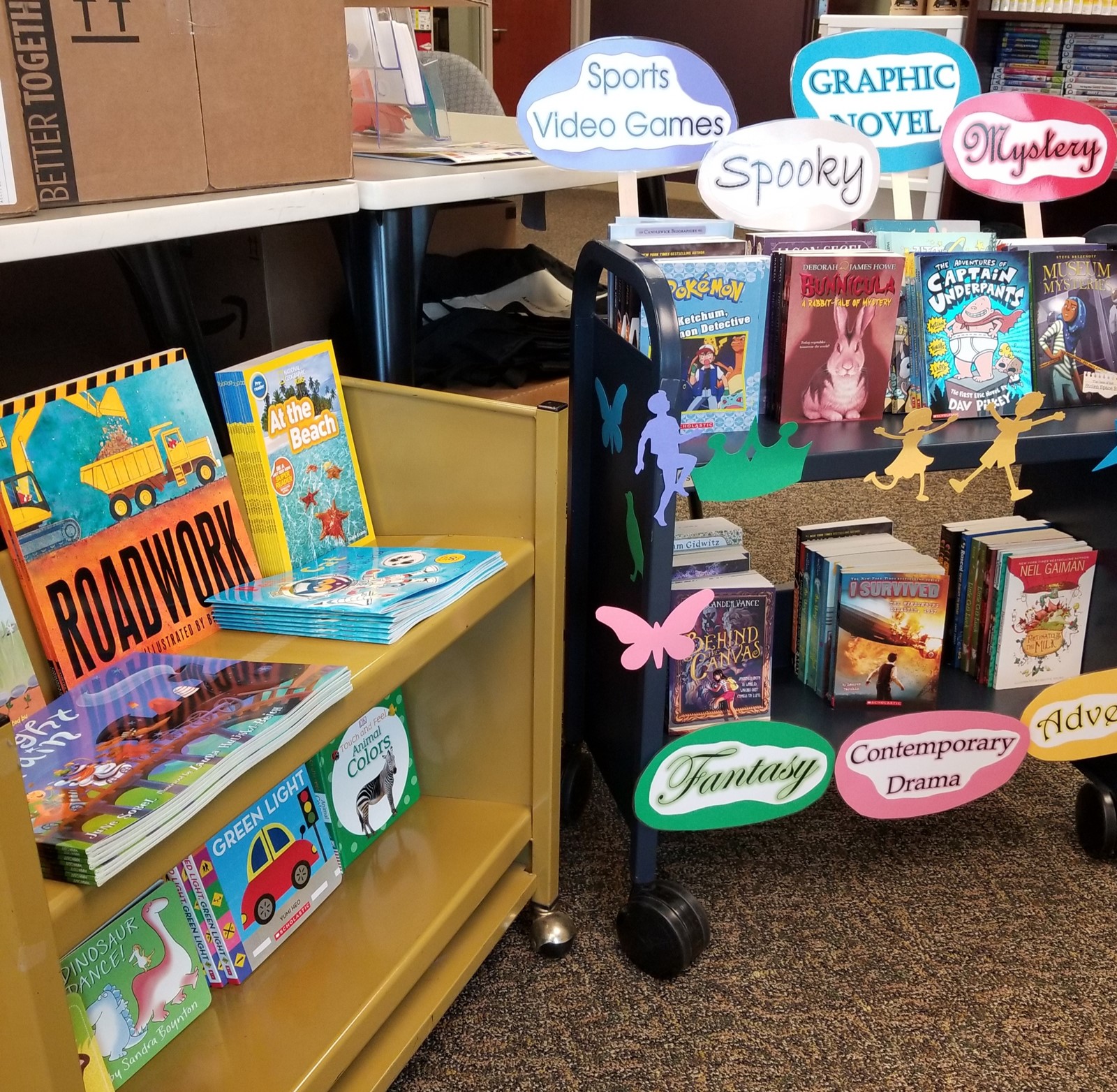
Ideas include having students add up the items that they buy at concession stands over the summer; having kids plan, budget, shop for and make a meal for the family; signing up for the Museum of Science and Industry family science activities; using library cards to check out books and participate in summer reading programs.
Cheryl Muench, principal of Michelle Obama School of Technology and the Arts in Park Forest, also offered a list.
Her ideas include holding a mini-Olympics with friends; find a scavenger hunt online that goes with a place you want to visit, such as a museum; create a daily blog; play board games; and bury a time capsule with five-year goals to dig up in that amount of time.
Barbara Sanchez, physical education and health teacher at the Obama middle schools in Park Forest-Chicago Heights School District 163, reminds students that a healthy brain needs a healthy body.
She suggests kids take steps to increase their physical activity by walking or jogging along a track at their local high schools and by remembering to stand and move while playing video games or watching TV.
She also suggests reading food labels to limit intake of sugary and salty snacks and adding fruit and vegetables to diets.
“I encourage them to cut the grass, rake, sweep. They would be getting in their steps and raising their heart rate,” Sanchez said.
She also asks students to retire their cellphones by 9 p.m. and read a book or magazine that interests them for 15 to 30 minutes before turning out the lights.
“Lastly, I tell them to have fun,” she said. “My athletes know that all of the above will bring them back to school in better shape for their sport and make their practice seem not so grueling.”
Get into characters
Ericka Patterson, assistant superintendent and director of reading for Park Forest–Chicago Heights School District 163, has ideas for integrating pop-culture characters into everyday life.
“Reading is such an exciting endeavor that takes you to different places,” she said. “As students spend time away from the schoolhouse, why not spend time at home with your favorite novel interacting with characters in new and exciting ways.”
List a character’s catchphrases — such as “Avengers Assemble” or “Have a biscuit, Potter” or “Bah, humbug” — and integrate them into conversations. “Keep a tally of the number of times you used the catchphrase and make note of the responses you get from people,” she said.
“Think about what your character would enjoy eating and look up online free recipes. See if you can make a meal or dessert your character would enjoy,” she said.
In addition, she suggest kids should think about where a character would go on a dream vacation.
“Pick a spot, describe it and explain why he or she would want to go there,” she said.
“Then write a day-by-day itinerary of what the character would do and why you think the character would enjoy this activity.”
Another idea is to expand on a favorite movie or TV show with an art project. For example, she said, play off “Project Runway” by having kids participate in an unconventional design challenge that has them using recycled materials (boxes, tissue paper, toilet paper rolls, plastic) to construct an outfit for their main character.
After reading a novel, she said, divide the book into sections. Then select a piece of music that you think captures the feel or tone of each section.
“Record the pieces, and if possible do voice-overs explaining what is happening in the novel during the piece of music and why you felt this piece of music fit the section of the novel,” she said.
Patterson also recommends kids read the work of Illinois poet Gwendolyn Brooks, particularly “Annie Allen,” about a girl growing up in Chicago’s Bronzeville neighborhood.
 PREVIOUS ARTICLE
