


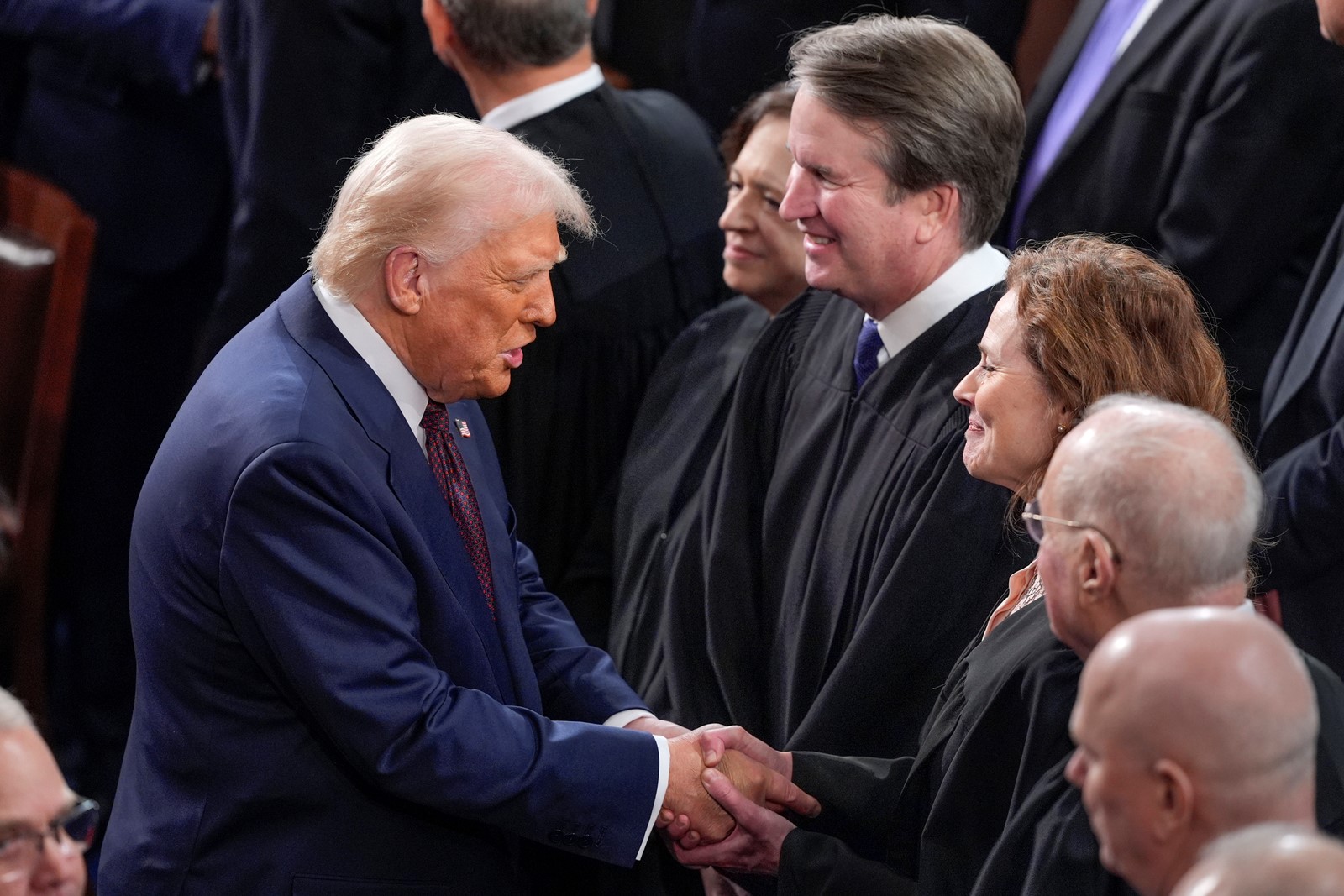


WASHINGTON >> A sharply divided Supreme Court on Wednesday rejected the Trump administration’s bid to freeze nearly $2 billion in foreign aid, but it was not clear how quickly money might start flowing.
By a 5-4 vote, the court rejected an emergency appeal from the Republican administration, while also telling U.S. District Judge Amir Ali to clarify his earlier order that required the quick release of nearly $2 billion in aid for work that had already been done.
It was the second time the new administration had sought and failed to persuade the conservative-led court with three appointees of President Donald Trump to rein in a federal judge who put the brakes on executive action taken by Trump.
Although the outcome is a short-term loss for the administration, the nonprofit groups and businesses that sued are still waiting for the money they say they are owed. Organizations in the U.S. and around the world have cut services and laid off thousands of workers as a result.
HIAS, one of the nonprofit groups in the case, said it was encouraged to see the Trump administration held accountable, but said it regretted “the irreparable damage that the Trump administration has already inflicted on our staff, the people we serve, and the reputation of the United States as a leader and a reliable partner.”
The Maryland-based group has worked on refugee issues for more than a century, including giving potential refugees support to stay in their home countries.
Justice Samuel Alito led four conservative justices in dissent, saying Ali lacks the authority to order the payments. Alito wrote that he is stunned the court is rewarding “an act of judicial hubris and imposes a $2 billion penalty on American taxpayers.”
The court’s action leaves in place Ali’s temporary restraining order that had paused the spending freeze. Ali is holding a hearing Thursday to consider a more lasting pause.
The majority noted that the administration had not challenged Ali’s initial order, only the deadline, which in any event passed last week.
The court told Ali to “clarify what obligations the government must fulfill to ensure compliance with the temporary restraining order, with due regard for the feasibility of any compliance timelines.”
Chief Justice John Roberts and Justice Amy Coney Barrett, two conservatives, joined the three liberal justices to form a majority.
Justices Clarence Thomas, Neil Gorsuch and Brett Kavanaugh joined Alito’s dissent.
 PREVIOUS ARTICLE
