


Advice for diners:
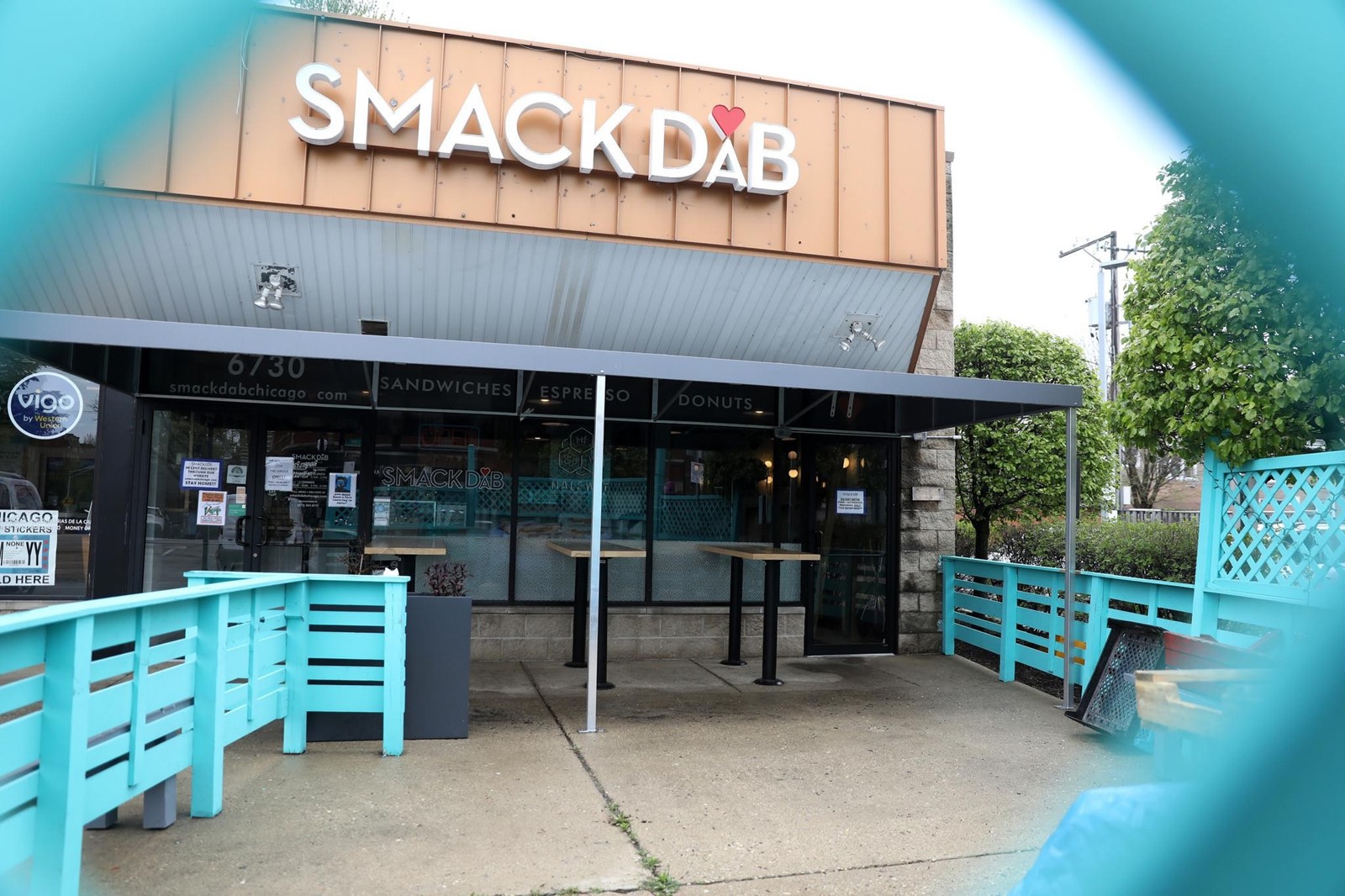


Even before next Friday, when Chicago will begin requiring third-party food-delivery services such as Grubhub, DoorDash and Uber Eats
When you want to order a meal, first, call the restaurant. Or go directly to the restaurant’s website.
Find out if the restaurant has its own delivery service that circumvents middlemen. If not, and if you can manage it, arrange to pick up your order at curbside (and be sure to include a generous tip with your payment).
The goal, of course, is to help prop up local restaurants — “the soul of our communities” in the apt phraseology of Illinois Restaurant Association President and CEO Sam Toia — during the COVID-19 pandemic when dine-in service is banned and the estimated 50% of restaurants that remain open are trying to get by on carryout and delivery orders only.
You want as much of your bill as possible to go to the owners and employees. They are the people who were in your community before this nightmare began and whom you want to still be in your community when it’s over.
Chicago’s
It emerged from a controversy sparked by
Who knew?
A lot of restaurateurs, obviously. But speaking as a customer who never gave a lot of thought to the matter, I’d assumed that nearly all my money went to the restaurant, and that the delivery charge was split by the driver and the third-party company.
That was obviously naive. And Grubhub, based in the Loop, defended its practices in
Whether these charges are predatory or reasonable, no law forces restaurants to partner with Grubhub or its competitors. These apps offer more than simple door-to-door transportation of food. They provide an internet presence for restaurants that don’t want to separately maintain them and an additional internet presence for those seeking more visibility; they provide credit-card and order processing that takes some of the burden off restaurant staff. They can attract new customers.
But new customers and old ought to know just where there money is going.
The third-party commissions can be “up to 30% of the menu price of the food, and is in addition to any fee charged explicitly for the delivery,” said Mayor Lori Lightfoot’s
Pricing transparency is a tricky issue. Bottom-line purchase amounts always build in a variety of associated costs and profits, and requiring that customers receive granular breakdowns of every transaction would be burdensome and absurd. But when it comes to third-party add-on charges, the requirement seems reasonable and very much in line with efforts afoot in Congress to mandate that online sellers of sports and concert tickets disclose their “all in” prices up front, before the customer inputs a raft of personal information and then discovers often astronomical tacked-on service fees.
Officials for both Grubhub and DoorDash have issued statements blasting Chicago’s new rule and saying it will cause “confusion” among the dining public.
We thank them for their concern and assure them that we will be able to process the new information just fine.
The Illinois Restaurant Association is all in with the idea and has written to Gov. J.B. Pritzker suggesting the transparency requirement for food-delivery services be written into state law.
I asked Pritzker’s press secretary Jordan Abudayyeh for the governor’s response. “We look forward to reviewing any legislation that moves forward” during the upcoming legislative session, she said.
Meanwhile, as Toia said, you can help restaurants survive by contacting them directly. Many have redeployed staff members as delivery agents, making it newly possible for customers to deal directly with the restaurants. But you have to ask.
And, remember, to do that, first, call the restaurant.
 PREVIOUS ARTICLE
