




President Donald Trump rode a wave of voter frustration about the economy to a second term in the White House, promising lower prices and a “golden age” for the nation.
Despite some wild ups and downs, the U.S. economy looks set to turn in a solid year of growth for 2025 — a trend economists expect to continue in 2026.
Data out last week showed the economy expanded in the third quarter at the fastest pace in two years, thanks to resilient consumers and business investment.
The headline figures, though, obscure some less-rosy details. Job gains have been lackluster and concentrated in just a handful of industries, while high prices remain a concern, prolonging the affordability-related struggles that beset Trump’s predecessor Joe Biden.
The unemployment rate rose to 4.6% in November — up by half a point in 2025 — marking the highest level since 2021.
Hiring was tepid overall, and what job growth the U.S. did see was overwhelmingly concentrated in health care and social assistance. Excluding that sector, employment actually declined this year.
The basic story of inflation this year is that it hasn’t budged all that much. After coming most of the way back down from the peak of the pandemic years, it remains higher than what Americans had gotten used to in the decade before that.
Trump’s policy shift toward trade protectionism meant elevating tariffs in 2025 to the highest in almost a century, even though the administration reversed some of its earlier hikes, notably on China.
The president says high tariffs will collect money for the government, narrow the trade deficits that the U.S. has been running for decades and spur business investment at home. So far, import taxes are delivering, adding revenue at a pace of some $30 billion a month by late 2025. But the numbers have swung wildly and the jury’s still out.
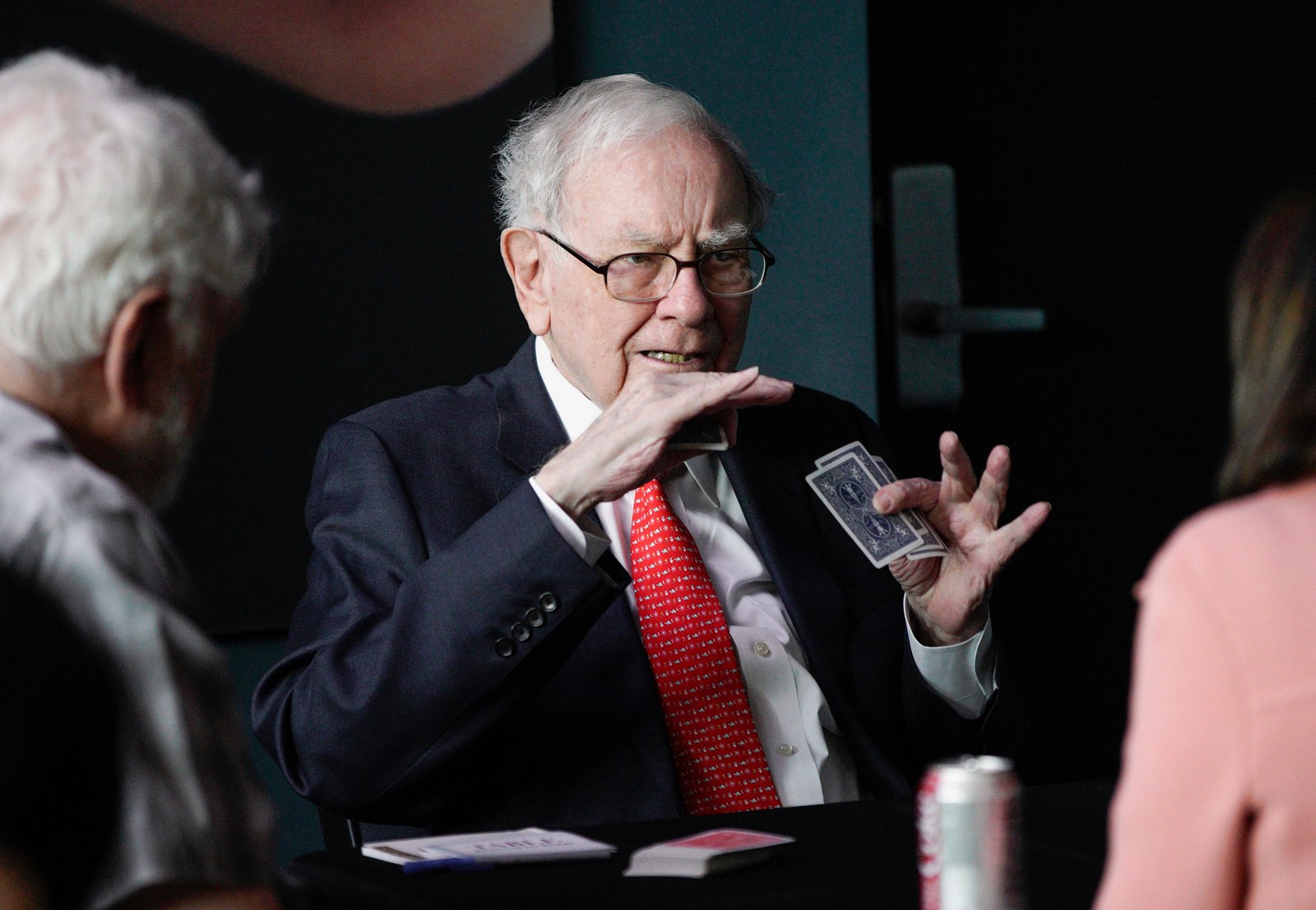
Buffett steps back after 6 decades
Legendary investor Warren Buffett’s last day as CEO at Berkshire Hathaway was Wednesday, ending a six-decade legacy of building up the conglomerate.
He’ll remain chairman, but Greg Abel will take over leadership.
A few of his most famous quotes from over the years:
“Be fearful when others are greedy, and greedy when others are fearful.” That’s how Buffett summed up his investing approach of buying out-of-favor stocks and companies when they were selling for less than he estimated they were worth.
He also urged investors to stick with industries they understand that fall within their “circle of competence” and offered this classic maxim: “Rule No. 1: Never lose money. Rule No. 2: Never forget Rule No. 1.”
“After they first obey all rules, I then want employees to ask themselves whether they are willing to have any contemplated act appear the next day on the front page of their local paper to be read by their spouses, children and friends with the reporting done by an informed and critical reporter.”
Idaho company recalls ground beef
An Idaho-based company is recalling nearly 3,000 pounds of raw ground beef that may have been contaminated with E. coli bacteria.
The recall involves 16-ounce vacuum-sealed packages labeled “Forward Farms Grass-Fed Ground Beef.” Affected packages were produced Dec. 16 and have a label telling customers to use or freeze the meat by Jan. 13. The affected beef also bears the establishment number “EST 2083” on the side of its packaging.
The meat was produced by Heyburn, Idaho-based Mountain West Food Group and was shipped to distributors in California, Colorado, Idaho, Montana, Pennsylvania and Washington.
The USDA said customers who have purchased the affected products should either throw them away or return them to the place they were bought. The agency also advises all customers to consume ground beef only if it has been cooked to a temperature of 160 degrees Fahrenheit.
Funding restored for now for CFPB
The White House cannot lapse in its funding of the Consumer Financial Protection Bureau, a federal district court judge ruled on Tuesday, only days before funds at the bureau would have likely run out and the consumer finance agency would have no money to pay its employees.
Judge Amy Berman ruled that the CFPB should continue to get its funds from the Federal Reserve, despite the Fed operating at a loss, and that the White House’s new legal argument about how the CFPB gets its funds is not valid.
Compiled from Bloomberg and Associated Press reports.
 PREVIOUS ARTICLE

