


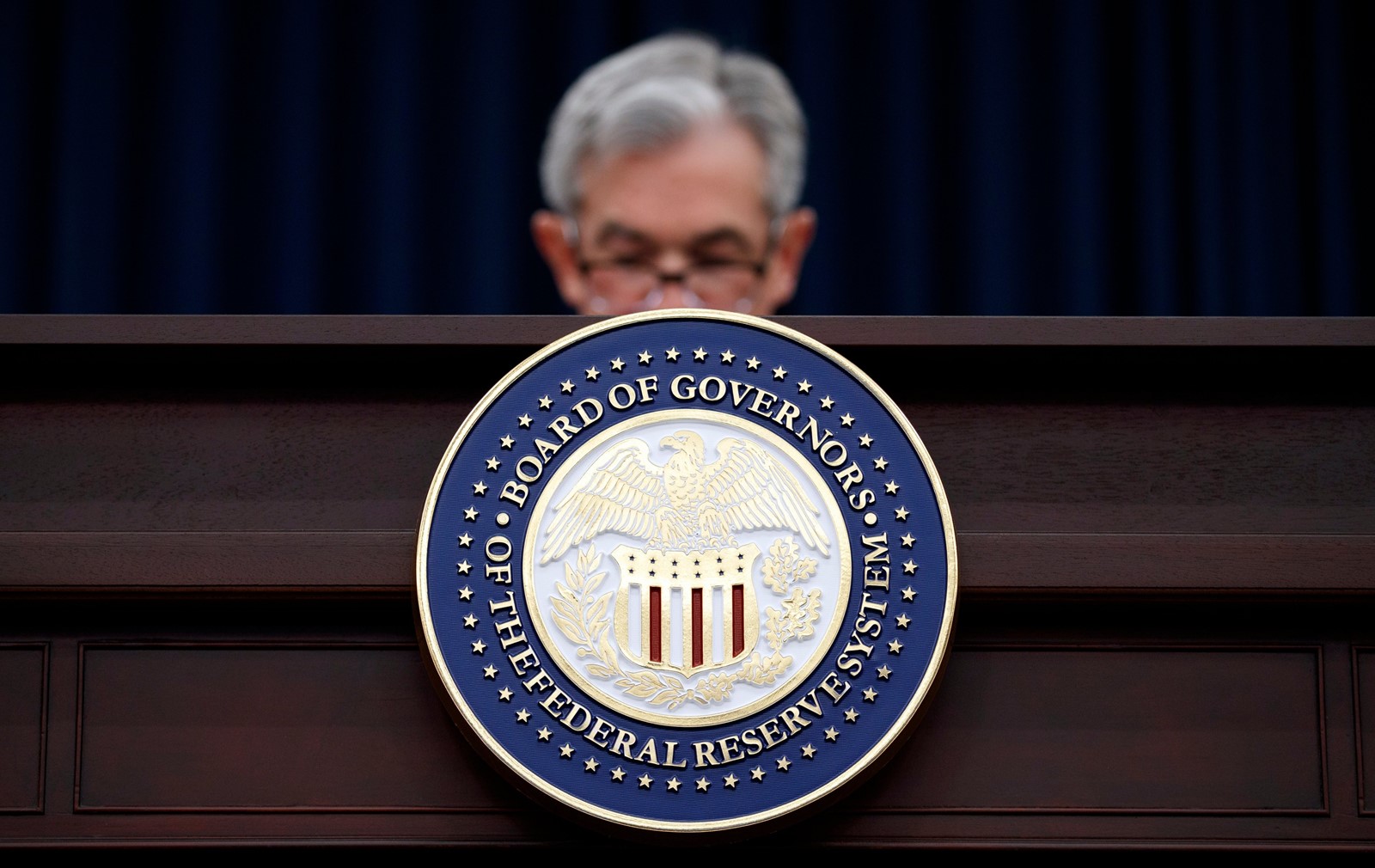


The Fed under new leadership on Wednesday unveiled proposed changes to the Volcker Rule, which bars banks’ risky trading bets for their own profit with depositors’ money. The changes would match the strictest applications of the rule to banks that do the most trading.
Fed officials say that would resolve some of the uncertainty for banks. It comes amid other government efforts to loosen financial regulations, as President Donald Trump has promised.
The Volcker Rule is a key plank of the landmark Dodd-Frank law intended to reduce the likelihood of another financial crisis and taxpayer-funded bank bailout. Trump has blamed Dodd-Frank for constraining economic growth.
The rule is named for Paul Volcker, a Fed chairman in the 1980s who was an adviser to President Barack Obama during the financial crisis. Volcker urged a ban on deposit-funded, high-risk trading by big banks, believing that it would be an effective in averting future economic crises.
There has already been a volley of modifications that unwind the stricter regulations put into place during the Great Recession:
The Volcker Rule banned high-risk activity known as proprietary trading. The practice had become a huge money-making machine for Wall Street mega-banks such as Goldman Sachs, JPMorgan Chase and Morgan Stanley. Proprietary trading allowed big banks to tap depositors’ money in federally insured bank accounts — essentially borrowing against that money and using it for investments.
“Weakening the Volcker Rule means allowing banks to play with other people’s money again. That was the casino economy before the crisis,” said Ed Mierzwinski, a senior director at the U.S. Public Interest Research Group, a consumer advocacy organization
In the years since the rule took effect, banks have been required to trade mainly on behalf of their clients.
“The proprietary trading desks are gone (from the banks) and they’re probably not going to come back,” said Oliver Ireland, an attorney specializing in banking law at Morrison & Foerster.
The Fed asserts its separation from political pressure and the White House. Trump, of course, has had the opportunity to put his stamp on the central bank by filling positions on the seven-member Fed board.
The Fed chairman since February, Jerome Powell, who was a board member under ex-Fed chair Janet Yellen, was an investment banker before he joined the central bank. After Trump named him Fed chief, Powell told Congress that he believes the rules put into place after the 2008 crisis could be improved, though he doesn’t completely support the administration’s ambition of aggressively rolling back regulations.
 PREVIOUS ARTICLE

