




There’s a scene in the second half of “Little Women” where Professor Bhaer — the moralizing German who, in a perverse turn by the book’s author, Louisa May Alcott, becomes Jo March’s baffling love interest — sees a bunch of gothic stories in a newspaper. They’re accompanied by “a pleasing illustration composed of a lunatic, a corpse, a villain and a viper.” Bhaer throws the paper into the fire, saying its contents are “not for children to see, nor young people to read. … I haf no patience with those who make this harm.”
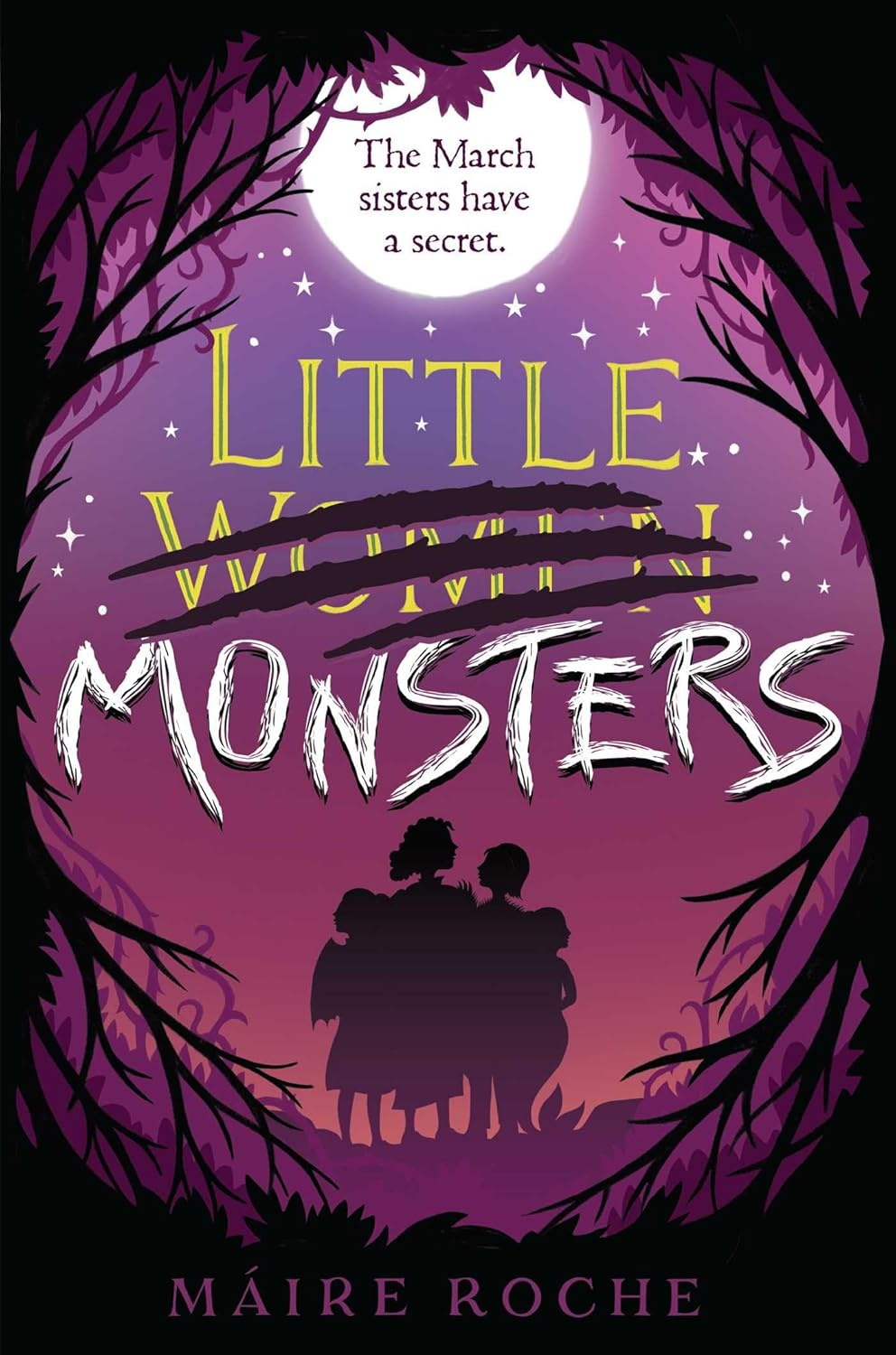
So Professor Bhaer probably wouldn’t approve of Máire Roche’s middle-grade fantasy, LITTLE MONSTERS (Aladdin, 288 pages, ages 8 to 12), due out in August, in which the four March sisters, now contemporary kids living in Salem, lead double lives as, respectively, a vampire, a werewolf, a bat-winged creature and a sea monster. (Indeed, “Farmer Bhaer” becomes the sisters’/monsters’ antagonist after a bunch of his chickens go missing.)
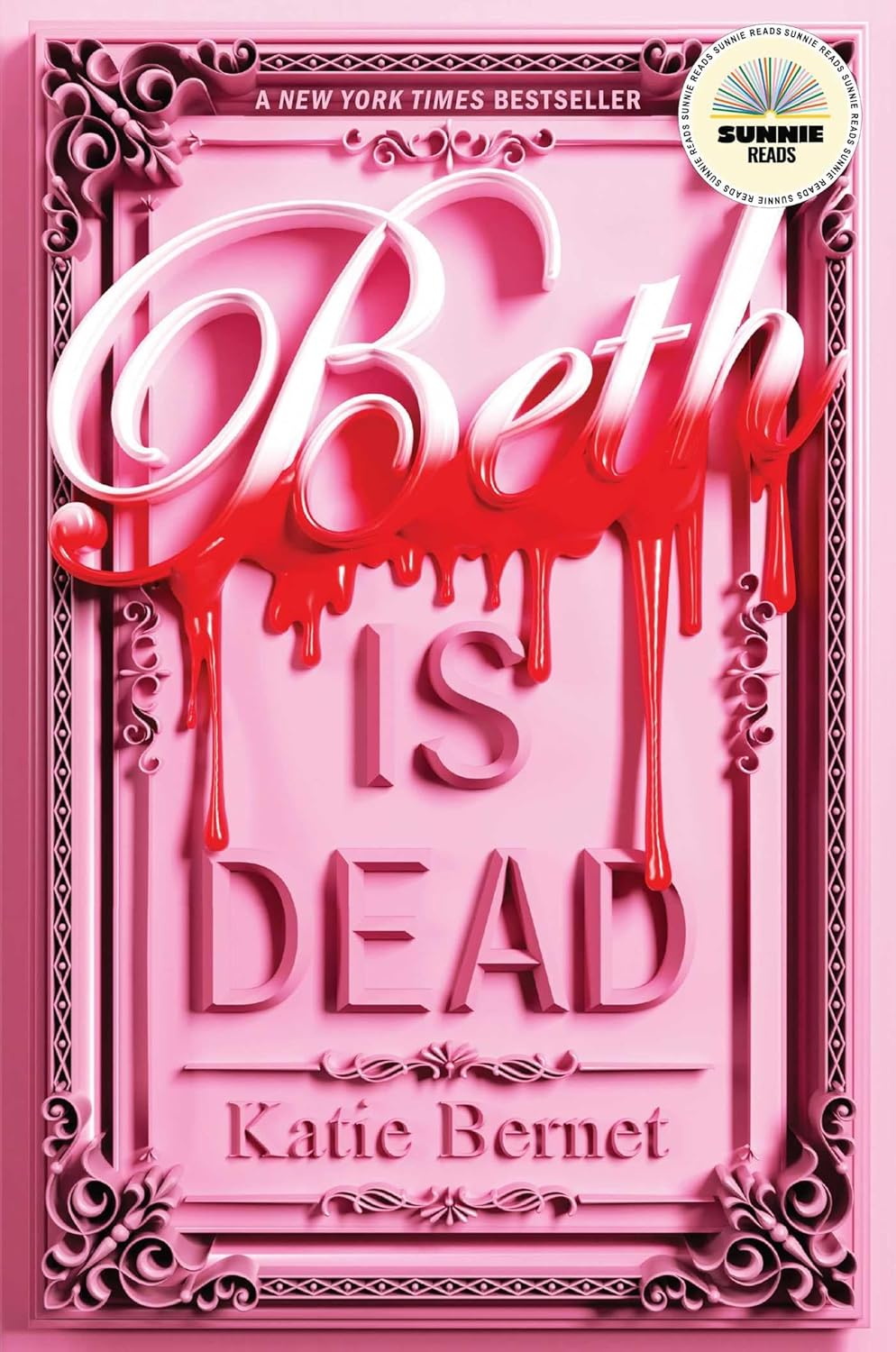
And if he didn’t like the kind of lurid story Jo was turning out for the Volcano tabloid, chances are Bhaer also wouldn’t have much use for the recently published BETH IS DEAD (Sarah Barley/Simon & Schuster, 400 pages, ages 12 and up), in which Katie Bernet reimagines “Little Women” as a young-adult murder mystery. It would be his loss.
In a way, it’s strange that it’s taken this long for “Little Women” to fully break out, the way Jane Austen did hundreds of years after her death with novelty titles like “Pride and Prejudice and Zombies” and the historical pastiche “Death Comes to Pemberley” (just for starters). After all, Alcott’s coming-of-age novel has been adapted so often that at this point it’s reached a certain American cultural saturation: Most of us know the formula of four girls, a stern but loving mother, a neighbor boy, a sad death.
And the characters of the sisters lend themselves to easy archetypes. Even in supernatural form, Roche maintains Alcott’s basic dynamic — responsible Meg, adventurous Jo, kind Beth and headstrong Amy — and the essential nature of their relationship provides the scaffolding for whimsical high jin/ks.
“Beth Is Dead” is an altogether more meta undertaking. The March sisters live in present-day Concord, Mass., where their father, a novelist, has recently been canceled for writing a kind of autofictional blockbuster called “Little Women” in which, critics charge, he’s exploited his daughters’ stories — and, worse, killed off Beth, who is not yet actually dead. He’s gone away, allegedly to protect the family from scrutiny, leaving their ER-nurse mother in charge.
When the gentle, musical Beth is, in fact, unalived after a New Year’s Eve party at the rich girl Sallie Gardiner’s mansion (no wasting illness here), Meg, Jo, Amy and their neighbor and sometimes love interest Laurie turn sleuths, and secrets and lies are exposed.
Bernet chooses to highlight the darkest sides of Alcott’s characters. Meg is smart and loving, yes, but can be materialistic and is ashamed of her relationship with the less ambitious John Brooke, portrayed here as something of a loser. A Harvard student, she resents her more privileged classmates. Jo, a senior at Concord High and a thirsty social media star, can be a ruthless careerist, her temper almost uncontrollable. As for Amy: “I’ve endured enough judgment from the people who read ‘Little Women,’ who called me the party girl, the mess.”
Beth, who’s been offered a shot at the prestigious Plumfield School for the Arts by the cool New York career woman Aunt March, is self-effacing but frustrated. “I know I don’t have main-character energy like Jo,” she admits. “I need to prove that I’m more than the girl who dies at the end of the book.
 PREVIOUS ARTICLE

