




BRUSSELS >> After three months of talks that often seemed doomed, Russia and Ukraine signed an agreement Friday to free more than 20 million tons of grain stuck in Ukraine’s blockaded Black Sea ports, a deal with global implications for bringing down high food prices and alleviating shortages and a mounting hunger crisis.
Senior United Nations officials said that the first shipments out of Odesa and neighboring ports were only weeks away and could quickly bring 5 million tons of Ukrainian food to the world market each month, freeing up storage space for Ukraine’s fresh harvests. The difference might be felt most powerfully in the drought-stricken Horn of Africa, which relies heavily on Ukrainian and Russian grain.
The breakthrough, brokered with the help of the United Nations and Turkey, is the most significant compromise between the warring nations since Russia invaded Ukraine in February, but it moves them no closer to peace. While government ministers signed the agreement in an ornate room in Istanbul, with their countries’ flags lined up together, a few hundred miles away their troops continued to kill and maim each other.
“This agreement did not come easy,” Antonio Guterres, the U.N. secretary-general, said at the signing ceremony, calling the deal a “beacon in the Black Sea.”
But Stephen E. Flynn, founding director of the Global Resilience Institute at Northeastern University, warned that it would be difficult to speedily deliver food to where it is most needed. The mechanics of transporting grain through the Black Sea under wartime conditions with little or no trust between the warring sides are extremely complex. “It will not move quickly,” he said.
It remains to be seen whether the deal works as planned. With each side deeply suspicious of the other, there will be plenty of chances for the agreement to break down.
In Istanbul, Russian Defense Minister Sergei Shoigu repeated Russia’s pledge not to use the process of grain exports from Ukraine to its military advantage. “We have made this commitment,” he said.
Russian President Vladimir Putin’s assault on Ukraine and the West’s sanctions against Russia have had worldwide economic repercussions, impeding trade, contributing to inflation, threatening recession and upending markets, particularly for energy.
But Russia’s blockade of Odesa and other ports has produced some of the gravest global consequences, undermining a global food distribution network that was already strained by poor harvests, drought, pandemic-related disruptions and climate change. Western officials accused Putin of using hunger as leverage for sanctions relief.
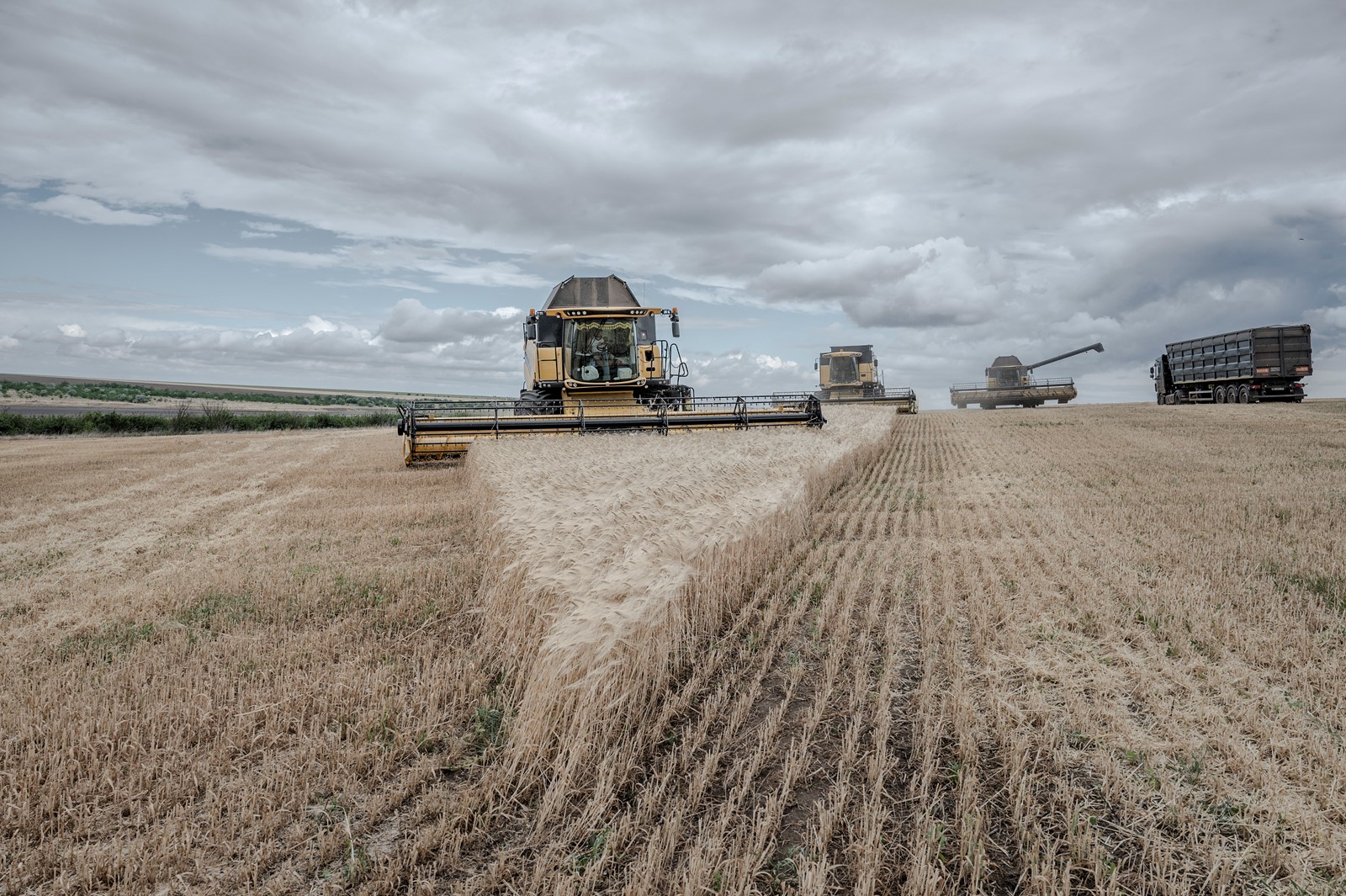
Ukraine is one of the world’s breadbaskets, a leading exporter of wheat, barley, corn and sunflower, but its shipments plummeted after the war began. Exports from Russia, another major supplier, fell as well.
 PREVIOUS ARTICLE

