




LONDON >> The Saudis are furious. The Danes are scrambling. Colombia has backed down. Mexico and Canada stand in a purgatory between tariff wars with the US and … not. China has retaliated, launching a trade war between the economic superpowers. The Brits, long proud of their “special relationship” with the United States, are leaning into their tradition of quiet diplomacy.
It’s as if President Donald Trump has flung a bag of marbles across the global stage, under the feet of foreign leaders who have often stepped together through eight decades of postwar global order.
Everyone, it seems, is responding to Trump — even Australia’s leader, when asked last week for his thoughts only a few hours after Trump announced the US would “take over” the decimated Gaza Strip and turn it into the “Riviera of the Middle East.”
“I’m not going to, as Australia’s prime minister, give a daily commentary on statements by the U.S. president,” Anthony Albanese told reporters.
Acknowledged publicly or not, world leaders are watching Trump’s wood-chipper approach to some American government institutions and wondering about those of the post-Cold War order: What of the U.S. roles in NATO, the United Nations, the World Bank and other pillars of the international order? On U.S.-controlled NATO, Trump has long questioned the value of the pact and threatened not to defend members of the alliance that fail to meet defense-spending goals. On his first day back in the Oval Office, Trump began to pull the United States out of the World Health Organization for the second time, an act that would leave the U.N. agency without its biggest donor.
“Trump’s actions portend a permanent shift in the landscape — not just a switch that flips back in four years’ time,” wrote Heather Hurlburt, a political and international affairs expert with Chatham House, a think tank in London.
Outside of leadership circles, anyone who depends on U.S. aid for food and medicine is coming to grips with the life-and-death implications of not having it after Trump’s drive to dismantle USAID and its six-decade mission to stabilize countries by providing humanitarian aid. The Vatican charity voiced outrage Monday at what it called “unhuman” U.S. plans to gut USAID,
Emboldened by his reelection and with help from presidential friend Elon Musk, Trump has unleashed his signature chaos by distraction on the world.
A story of ‘flooding the zone’ and examples set
Presidential orders and utterances — he’s suggested annexing Canada and taking over the Panama Canal — occur at a speed that can atomize opposition. No one person or government can keep track of them all. And that, rather than clarity, is the effect of what Trump’s allies call “flooding the zone.”
Got a problem with it? Trump has an answer: “Fafo,” short for “mess around and find out,” except the first word isn’t “mess.” The president posted the acronym on social media, complete with a photo of him in a fedora and pinstripes.
Ask Colombia what happens when you say no to Trump. Its president briefly resisted planeloads of immigrants during Trump’s first week — until the 47th US president threatened the country with as much as a 50% hike in tariffs. Colombia accepted the immigrants. Boom, example set.
The enforcement technique has long delighted Trump’s supporters, who turned out for him during the 2024 election heavily influenced by their anxiety over the economy and their own finances, according to APVotecast. Trump says he’s trying to save taxpayer money and spend it on issues that align with American interests.
Take Greenland and the Gaza Strip. The isolationist, “America first” president says the U.S. will do so. He eventually ruled out using the military to move Gaza’s 2 million people elsewhere, but his plan to develop the seaside enclave into a luxury resort apparently stands.
Never mind that friends and foes alike, from the volatile Mideast to China and the staid UK, have cast the idea as a nonstarter. Powerful Saudi Arabia issued an “absolute rejection” of it. Or that it could jeopardize the fragile hostages-for-prisoners ceasefire in the Israel-Hamas war, Egypt’s peace deal with Israel. It could violate international law, too.
World leaders scramble to lead
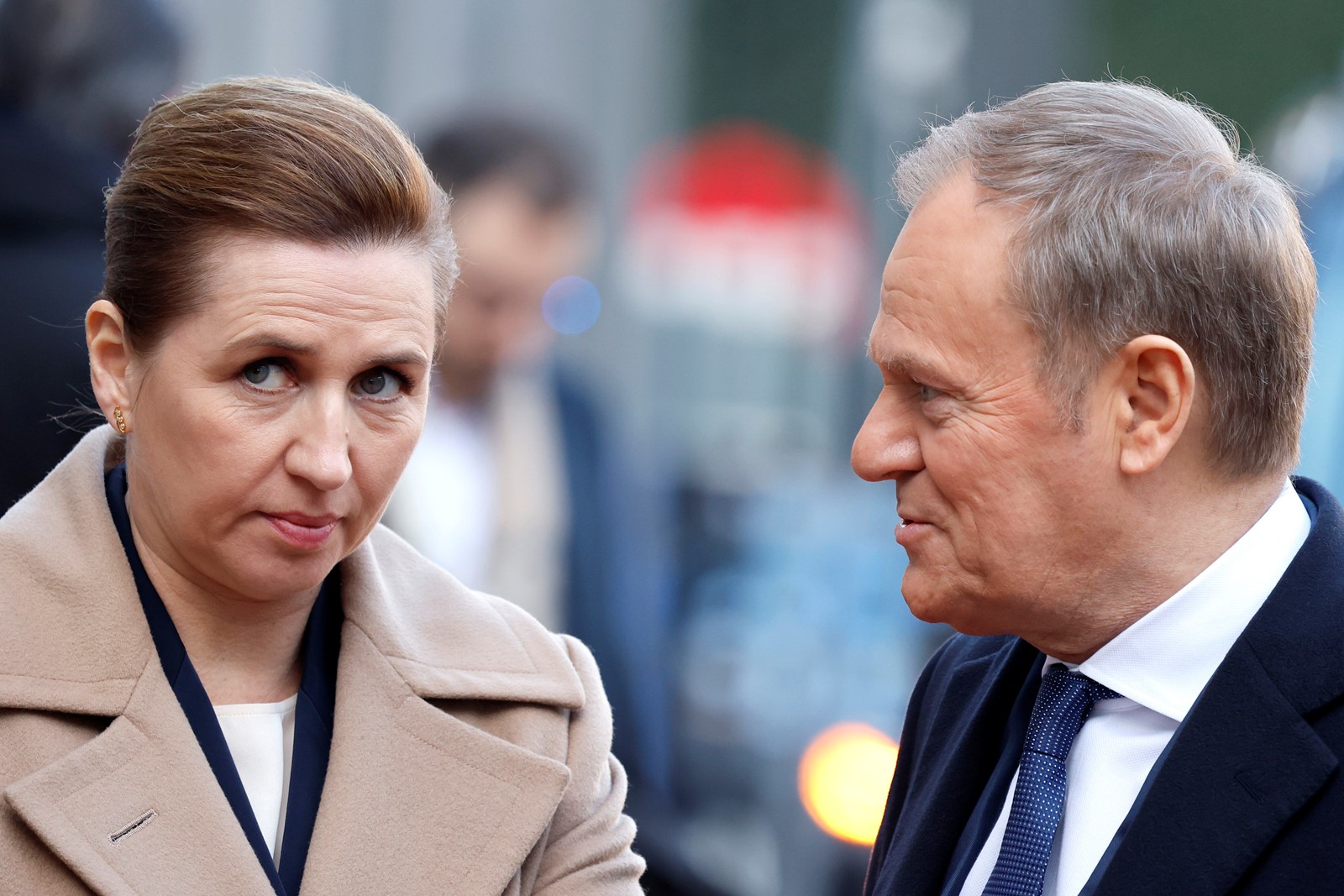
“We are not a bad ally,” Danish Prime Minister Mette Frederiksen found it necessary to tell reporters last week, like other leaders on their heels as they respond to the Trump administration.
In this case, according to the Copenhagen Post, Frederiksen was responding to comments by Vice President JD Vance on Fox News’ “Sunday Morning Futures,” that the EU and NATO member nation was “not being a good ally.” He repeated that an American acquisition of Greenland was “possible.”
That came after Frederiksen had flown to European capitals last month to urge other countries on the continent to respond with one voice against Trump’s vow to make Greenland part of the United States. Denmark also has legislation to crack down on racism toward Greenlanders and has sent $2 billion to the Arctic island for its security.
 PREVIOUS ARTICLE
