




Ohio-based Murray Energy filed for Chapter 11 bankruptcy reorganization Tuesday, joining a growing list of struggling miners as utilities switch away from coal to cheaper and less-polluting renewable energy or natural gas.
The filing marks a significant political failure for Trump, who had sought to end what he called a “war on coal” by Democrats as a key part of his campaign and early presidency.
Murray Energy was the country’s fourth-largest coal producer in 2018, accounting for 6% of total production, according to the Energy Information Administration. Other major producers that have sought bankruptcy protection this year include Blackjewel Mining in West Virginia and Cloud Peak Energy in Wyoming.
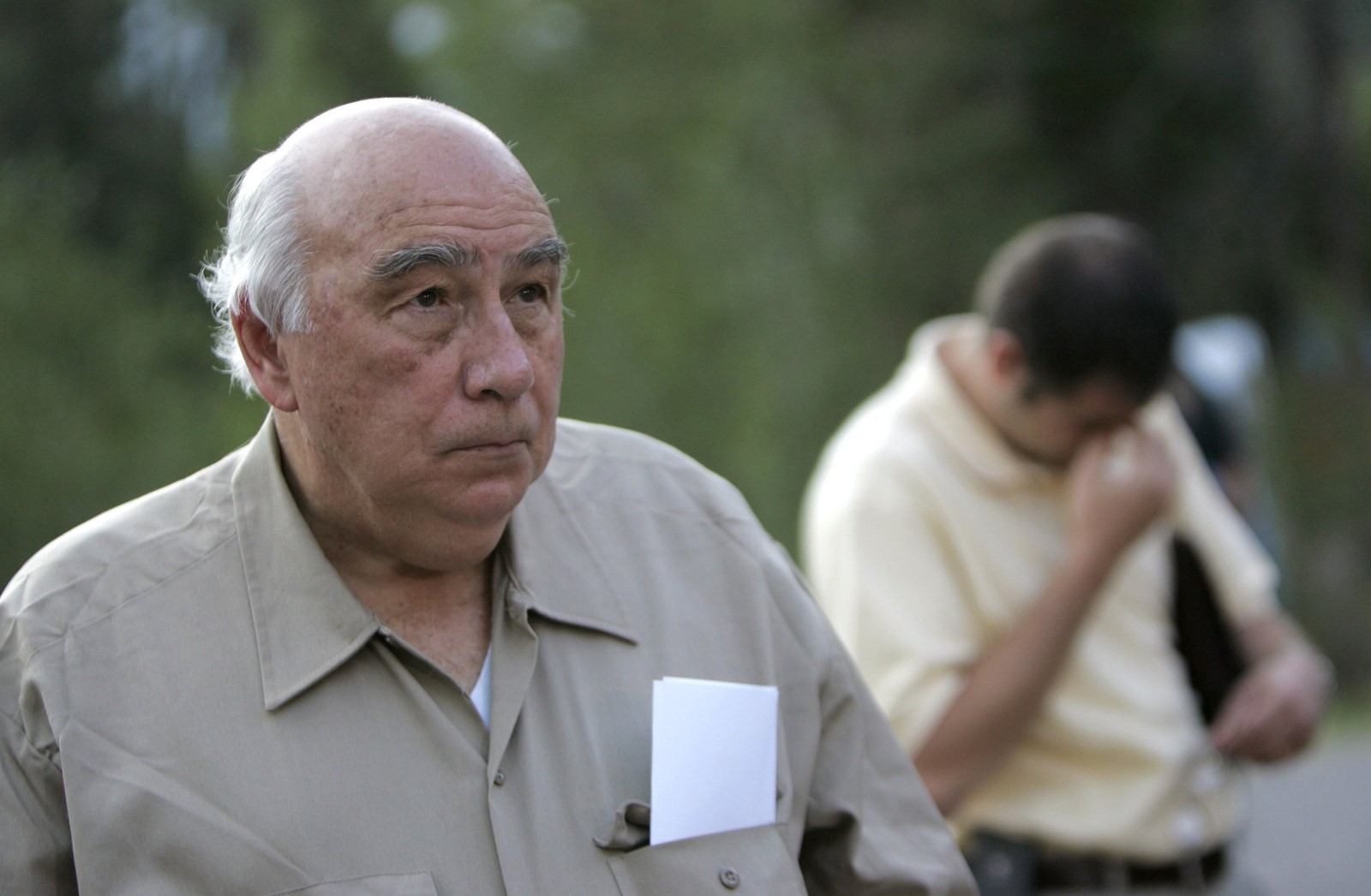
Murray Energy’s move was necessary to access cash and best position it for long-term success, said former CEO Robert Murray.
The company’s operations span Alabama, Illinois, Indiana, Kentucky, Pennsylvania, Utah and West Virginia, as well as Colombia in South America.
Government preference for gas and renewable energy to replace coal-fired power generation, combined with a recent severe reduction in coal exports, delivered a one-two punch that an overextended Murray Energy could not withstand, said Cecil Roberts, president of United Mine Workers of America.
“Now comes the part where workers and their families pay the price for corporate decision-making and governmental actions,” Roberts said in a statement. “But that does not mean we will sit idly by and let the company and the court dictate what happens to our members and our retirees. We have high-powered legal, financial and communications teams in place that will fight to protect our members’ interests in the bankruptcy court.”
West Virginia Senate President Mitch Carmichael said the bankruptcy filing was surprising even with the evident struggles in the coal business, adding that he’s concerned about pensions and worker protections for Murray Energy’s nearly 7,000 employees.
Sen. Joe Manchin, a West Virginia Democrat, said on Twitter that Murray Energy must continue meeting its obligations to pay into pension plans for union miners.
The coal giant had signaled that it wasn’t immune to the industry’s downturn earlier this month when it announced it missed loan and interest payments to its lenders.
Brian Lego, a research assistant professor at West Virginia University, said the bankruptcy of such a large company is a heavy blow to an already beleaguered sector.
“It doesn’t bode well as far as the overall state of the industry is concerned,” he said.
As CEO, Murray was averse to filing bankruptcy and in recent years he criticized other coal operators that chose to streamline.
Murray, who on Tuesday was replaced as CEO by Robert Moore, has tied his fortunes to Trump. He hosted a fundraiser for the president in July, which had been expected to raise $2.5 million.
He has flexed his influence at the local level as well, donating thousands of dollars to the 2020 campaign of West Virginia Gov. Jim Justice and successfully pushing for a tax cut on steam coal in the economically depressed Mountain State.
In March 2017, Trump signed an executive order pledging to kill off President Barack Obama’s effort against climate change.
“We are putting our great coal miners back to work,” Trump said to applause and cheers at a 2018 rally in West Virginia, where the president also attended a big-money GOP fundraiser hosted by Murray.
“The coal industry is back!” Trump declared.
 PREVIOUS ARTICLE
