




If it seems like plastic surrounds nearly every cucumber, apple and pepper in the produce aisle, it does.
What began with cellophane in the 1930s picked up speed with the rise of plastic clamshells in the 1980s and bagged salads in the 1990s. Online grocery shopping turbocharged it.
But now the race is on for what people who grow and sell fruits and vegetables are calling a moon shot: breaking plastic’s stranglehold on produce.
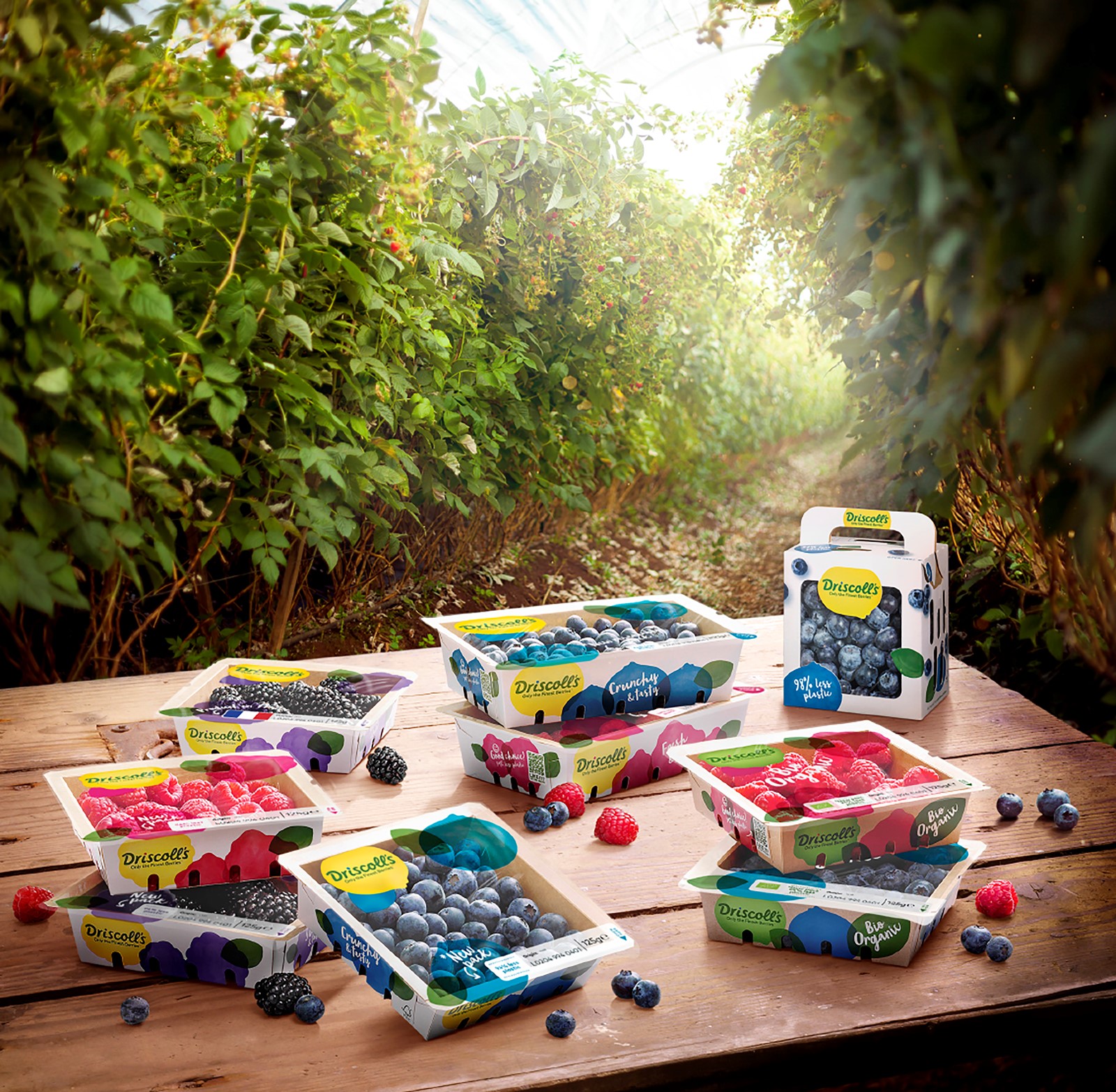
In a March survey among produce professionals on LinkedIn, the shift to biodegradable material was voted the top trend. “It’s big,” said Soren Bjorn, CEO of Driscoll’s, the world’s biggest grower of berries, which has switched to paper containers in many European markets.
Spain has a plastic tax. France has severely limited plastic-wrapped produce and the European Union is about to add its own restrictions. Canada is trying to hammer out a plan that could eliminate plastic packaging of produce by 95% by 2028. In the United States, 11 states have already restricted plastic packaging. As part of a sweeping anti-waste plan, the Biden administration is calling for new ways to package food that uses climate-friendly, antimicrobial material designed to reduce reliance on plastic.
The right answer?
Reducing the use of plastic is an obvious way to push back against a changing climate. Plastic is created from fossil fuels, the biggest contributor to greenhouse gases. It chokes the oceans and seeps into the food chain. Estimates vary, but about 40% of plastic waste comes from packaging.
Yet plastic has so far been the most effective tool to fight another environmental threat: food waste.
Selling produce is like holding a melting ice cube and asking how much someone will pay for it. Time is of the essence, and plastic works well to slow the decay of vegetables and fruit. That means less produce is tossed into the garbage, where it creates almost 60% of landfill methane emissions, according to a 2023 report by the Environmental Protection Agency.A Swiss study in 2021 showed that each rotting cucumber thrown away has the equivalent environmental impact of 93 plastic cucumber wrappers.
Food is the most common material in landfills. The average American family of four spends $1,500 each year on food that ends up uneaten. Of that, fruits and vegetables make up nearly half of all household food waste, according to research from Michigan State University. And it’s not just the wasted food that adds to climate change. The farming and transportation wasted to produce food that is discarded impacts the climate, too.
Preventing food waste and reducing the use of plastic aren’t mutually exclusive goals. Both are high on the agenda of the Biden administration, which in December issued a draft of a national strategy to halve the nation’s food loss by 2030.
Consumers increasingly report that using less plastic and packaging matters to them, but their shopping habits tell a different story. American shoppers bought $4.3 billion worth of bagged salad last year, according to the International Fresh Produce Association. Marketing experiments and independent research both show that price, quality and convenience drive food choices more than environmental concerns.
Grocers are having to make tough decisions, too. Shoppers have complained about having to buy produce that has already been packed in plastic and priced. Not selling by weight is easier for the store, whose workers don’t have to weigh each item. But it often forces shoppers to buy more than they need.
Battle lines seem to be drawn between the never-plastic crowd and shoppers who prefer the ease of fresh salad greens delivered to their door.
“The packaging conversation is being held hostage by one side or the other,” said Max Teplitski, chief science officer of the International Fresh Produce Association.
Alternatives coming?
Here are a few new ideas headed to the produce aisle:
Bags from trees >> An Austrian company is using beechwood trees to make biodegradable cellulose net bags to hold produce. Other companies offer similar netting that decomposes within a few weeks.
Film from peels >> Orange peels, shrimp shells and other natural waste is being turned into film that can be used like cellophane, or made into bags. An edible coating made from plant-based fatty acids is sprayed on cucumbers, avocados and other produce sold at many major grocery stores. They work in a way similar to the wax coating commonly used on citrus and apples.
Clamshells from cardboard >> Plastic clamshells are a $9.1 billion business in the United States, and the number of growers who use them is vast. Replacing them will be an enormous challenge, particularly for more fragile fruits and vegetables. Plenty of designers are trying. Driscoll’s has been working to develop paper containers for use in the United States and Canada.
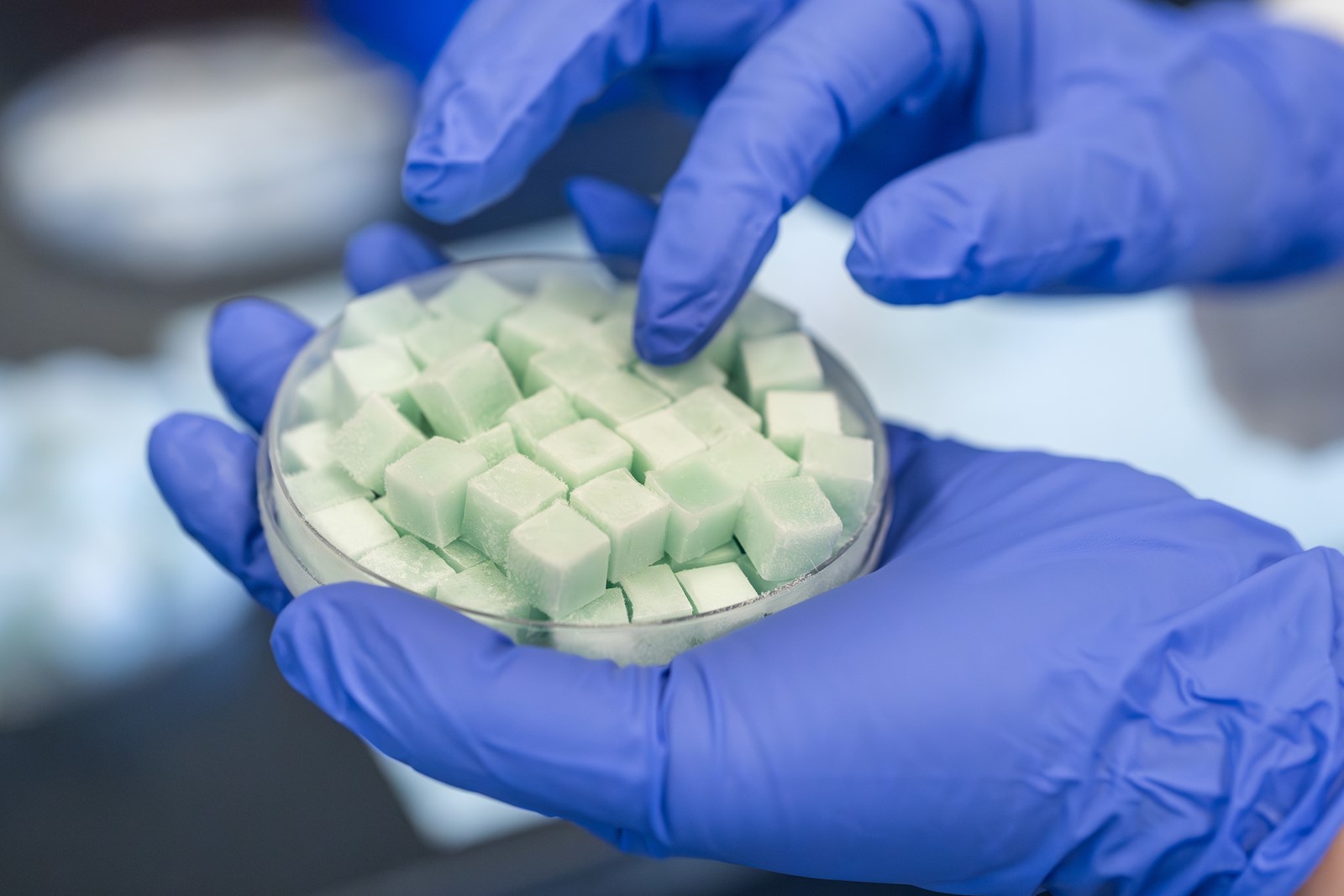
Ice that feels like gelatin >> Luxin Wang and other scientists at UC Davis, have invented reusable jelly ice. It is lighter than ice and doesn’t melt. It could eliminate the need for plastic ice packs, which can’t be recycled. After about a dozen uses, the jelly ice can be tossed into a garden or the garbage, where it dissolves.
 PREVIOUS ARTICLE
