




This week, we delve into a beautiful series about a 10-year span in two Madrid lovers’ relationship, a hilarious spoof of “Downton Abbey” and film version of a stage musical that is way better than that “Wicked” sequel.
Here’s our roundup.
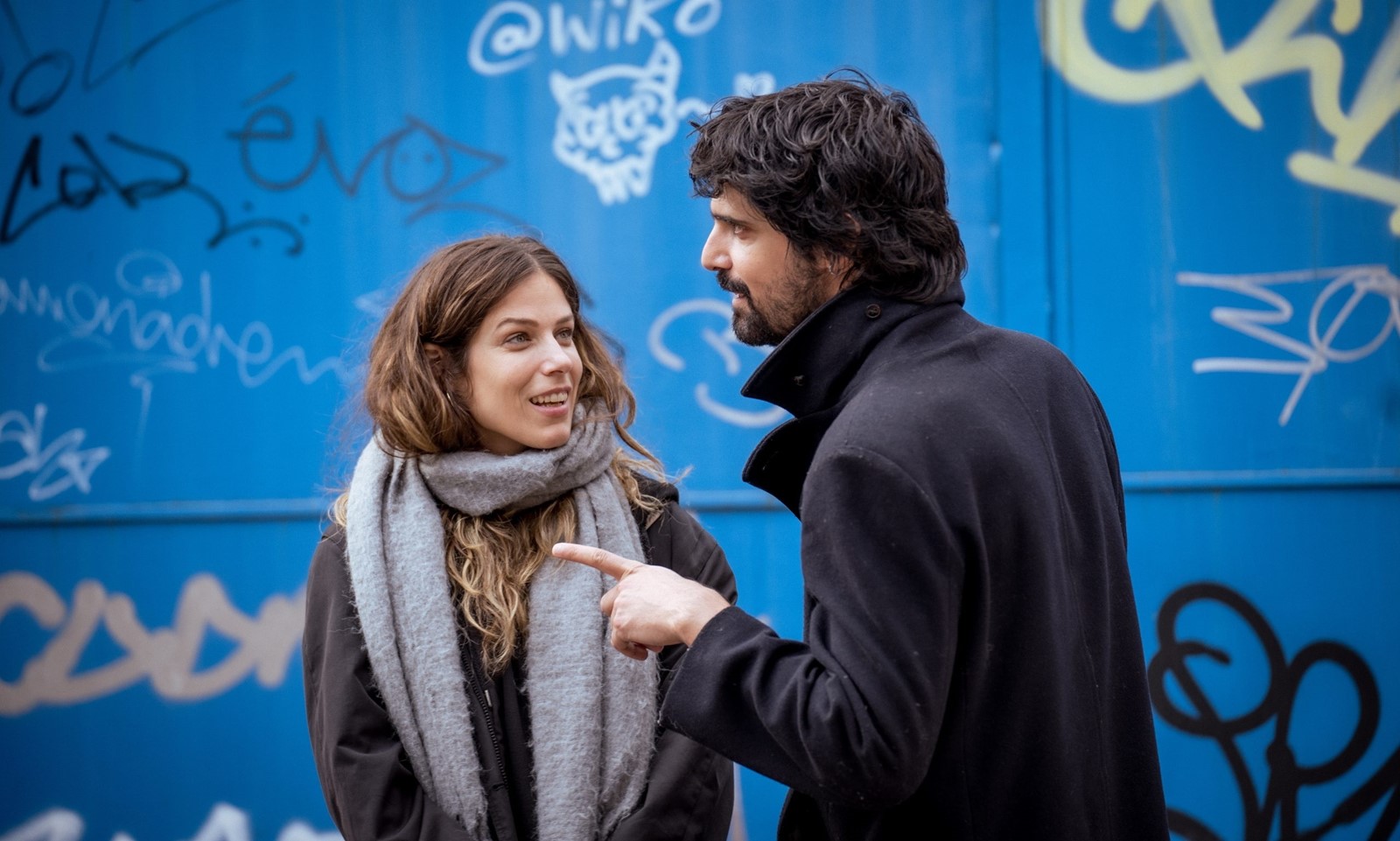
“The New Years”: MUBI continues to impress with its original films (such as last year’s “The Substance” and this year’s “History of Sound,” and the criminally overlooked “Lurker”) as well as with its streaming platform, which is following up Cooper Raiff’s excellent drama “Hal & Harper” (which debuted in June) with this even more ambitious 10-part affair from award-winning filmmaker Rodrigo Sorogoyen and a crack team of writers and directors. Sorogoyen is the Spanish director of 2022’s intense, unsettling “The Beasts” amongst other edgy works, but here he turns his candid eye toward a more essential, stripped-down human story. The focus is on the decade-spanning, on-again/off-again relationship between the mercurial, magnetic Ana (Iria del Río) who is bopping her way through jobs and life, and the structure-bound, less spontaneous but still game Óscar (Francesco Carril), a medical internist. Sorgogyen sets each episode on New Year’s Eve; a day that is memorable to each since Ana was born on New Year’s Day and Óscar on New Year’s Eve.
The responsibility for this story not to be a disjointed, contrived mess lands on del Río and Carril, who need to express both internally and externally the subtle or major changes they’ve experienced over the past year, as well as on the writing and dialogue. If any of it sounds phony, it’s over. On the acting front, you entirely believe that del Rio and Carril are a real couple tangled up in an intense, imperfect relationship. Each shows a vulnerability that many actors can’t replicate. “The New Years” invites audiences to be their bystanders, privy to the couple’s most intimate times (the series is quite realistic but not shy when it comes to depicting graphic lovemaking, particularly in earlier episodes). On the writing front, the screenplay organically makes the time gaps fluid and natural, a tricky conceit to pull off. The dialogue never feels like we’re getting fed updates on what life has thrown at the two on those other 363 days of the year. Instead, we sift through hints about the stuff they’re grappling with: grief, scornful customers, a bad drug trip at a nightclub, exes and current lovers, friends in need and in trouble, new jobs and parents, etc. The first episode finds Ana and Óscar stumbling into each other in 2015 and fans out from there, taking both away from their homebase near Madrid and off to Lyon and Berlin. Just like in a relationship, “The New Years” grows and matures and molds into something more meaningful and gracious. It also joins Richard Linklater’s classic “Before Trilogy” and even the play “Same Time, Next Year” in showing how we deal with the advent of time while fate and circumstance are handing us joys and hardships. It’s one of the most effective and affecting series I’ve experienced in some time, and is a creative triumph for all involved.
Details: ???? out of 4; first two episodes available now, with one additional episode dropping weekly thereafter: mubi.com.
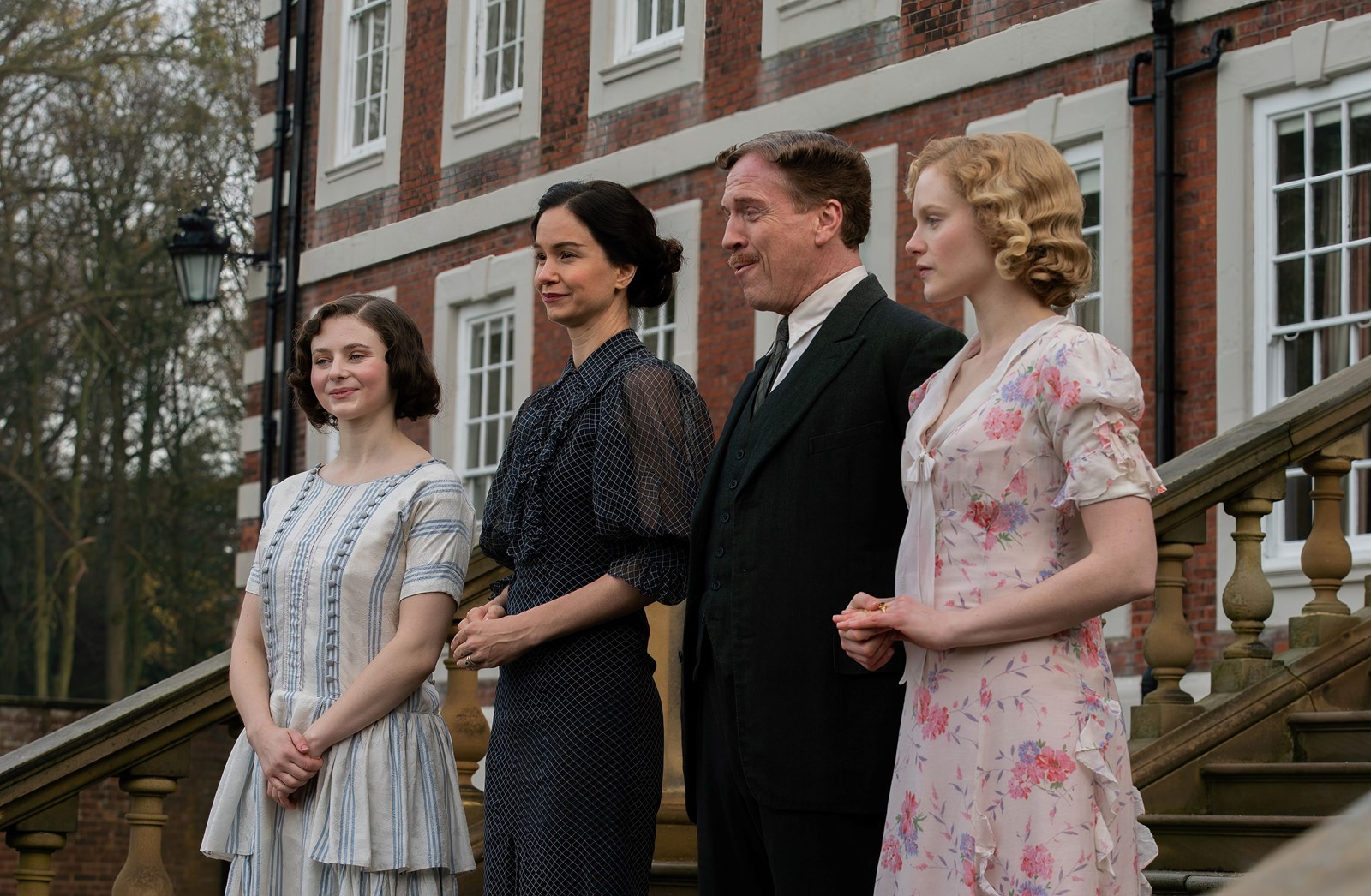
“Fackham Hall”: Off-color spoofs of specific genres and films — think the “Airplane” and “Naked Gun” series, the entirety of Mel Brooks’ hysterical canon and so on — are somewhat of a rare occurrence these days. What’s even more rare is when they’re actually funny. Here’s some good news. Director Jim O’Hanlon’s ribbing of “Downton Abbey” and countless oter buttoned-up BBC period pieces lands its jokes more often than not. Oh, yes, there are groaners, but you expect that. A team of screenwriters gleefully skewer the Dickens out of this genre and do so through wordplay, aristocratic buffoonery, innuendo (the pastor’s sermons are to die for) and more. There’s even a little romance as hunky pickpocket Eric Noone (a dashing, quite funny Ben Radcliffe) gets charged with delivering a letter to Lord Davenport (Damian Lewis) at Fackham Hall, where he quickly becomes smitten with clever Rose (Thomasin McKenzie). This happens just as everyone’s scurrying about preparing for sis Poppy (Emma Laird) to wed an annoying drip of a cousin (Tom Felton). The joyless union is being pushed by Lord and Lady Davenport (Katherine Waterston) so that the wealth stays in the family. “Fackham Hall” has a quiver full of sharp one-liners that mostly hit the target and an interesting collection of supporting characters — including author JRR Tolkien (Jason Done). Of course not all the jokes work, but “Fackham Hall” thrives on pure silliness and word play. It made me laugh, yes, and groan a time or two, but more importantly it took my mind off the world’s problems for 90 minutes. So, mission accomplished.
Details: ???; opens Friday in theaters.
“Merrily We Roll Along”: Sometimes not messing around with a successful formula is the route to take and can lead to something extra special. That happens with stage director Maria Friedman’s acted-to-the-hilt film version of this once-overlooked Stephen Sondheim/George Furth stage musical, which itself was based on a 1934 stage drama and later revived to acclaim and awards in 2022. Outfitted with character-driven songs, three well-drawn protagonists and a timeless warning on the down side of “making it big,” “Merrily We Roll Along” charts, in reverse, the sorrow-drenched souring of a decades-spanning friendship between three creative types: songwriter turned hotshot Hollywood producer Franklin Shepard (Jonathan Groff), lyricist and playwright Charley Kringas (Daniel Radcliffe) and author and reviewer Mary Flynn (Lindsay Mendez). Friedman — who directed the 2022-2023 Tony-winning stage revival — is thoroughly in tune with the material and knows the beats it needs to hit. But just as responsible for pulling this off is the seamless editing of Spencer Averick. He and Friedman effectively stitch together three live New York Hudson Theatre performances from the late run of the Tony-winning revival. That duo and cinematographer Sam Levy zoom in on the emotion expressed in the three principals’ faces and it’s an approach that makes the material soar. Groff manages to make his self-involved character soulful and, for the most part, palatable; Radcliffe shows grace with his comedic timing and volatility with his passive-aggressive fury over Franklin’s blind ambition; and Flynn turns sarcastic alcoholic Mary into a tragic bitter person who was once buoyant with hope. “Merrily We Roll Along” lacks the massive big-screen budget, the effects, the title recognition and certainly the moneyed ad campaign of that other musical in movie theaters this season — the rather shallow and showy “Wicked: For Good” — yet this underdog is leagues better in both its story and lyrics and stands on equally talented footing in regards to its cast. “Merrily We Roll Along” will be embraced wholeheartedly by stage and movie musical fans and might even win over some staunch disavowers. Really, it’s that good.
Details: ???•; opens Friday in theaters.
Contact Randy Myers at soitsrandy@gmail.com.
 PREVIOUS ARTICLE
