




Repeating history: Lessons not learned
In the 1930s, Japan expanded into China by invading Manchuria to obtain raw materials in support of the Japanese economy. Thousands of Chinese civilians were massacred in 1937 when Japan’s military captured Nanjing.
The League of Nations condemned the invasion. The United States provided financial support to China during this time and enacted an embargo on exports to Japan. Negotiations with Japan were ineffective, and the attack on Pearl Harbor in 1941 started a war that lasted for years.
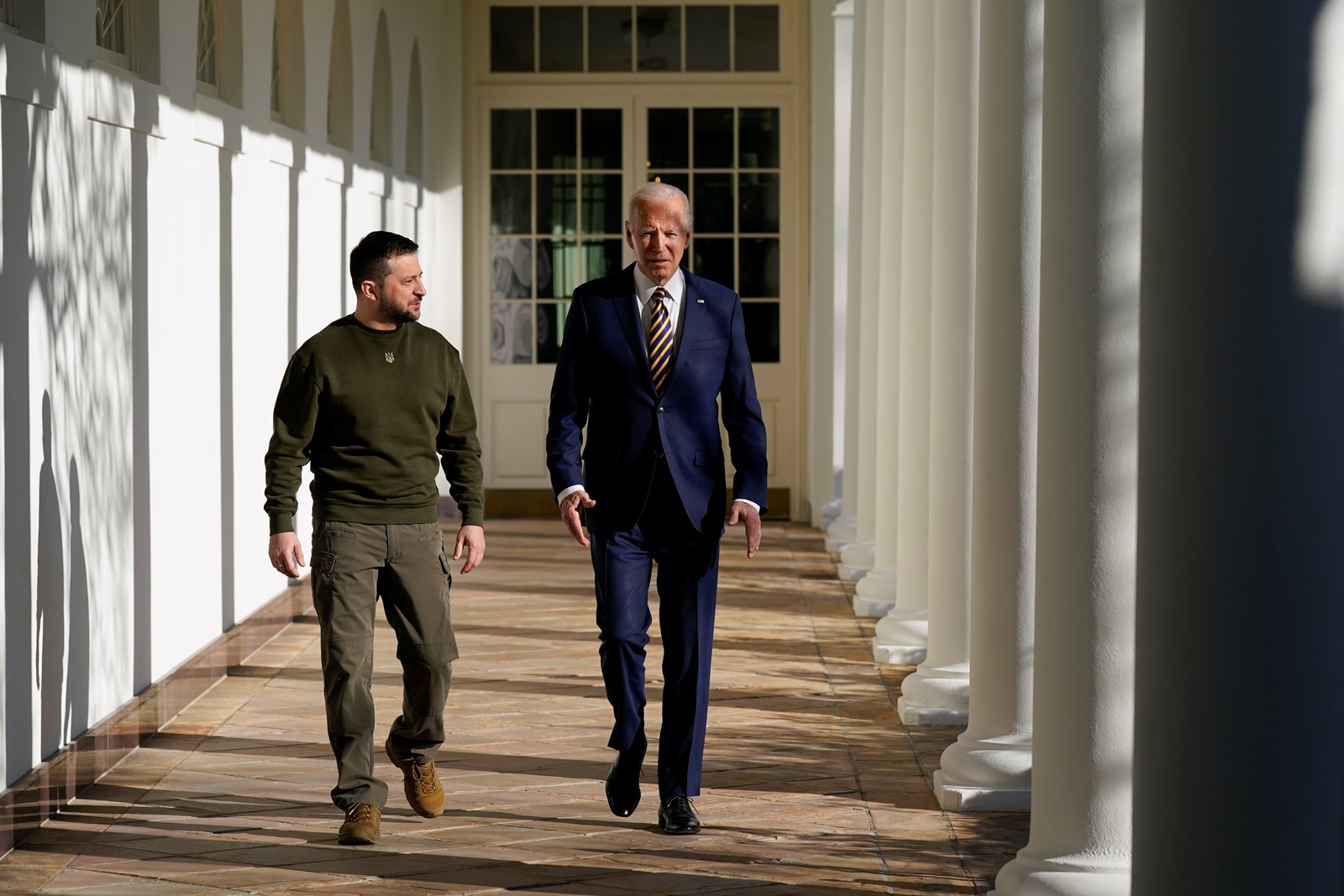
Since February 2022, Russia has waged war on Ukraine, and several members of the United Nations, including the United States, have applied sanctions and embargoes on Russia, plus provided military and economic support to Ukraine. It is questionable how effective these measures have been when you evaluate the ongoing loss of lives, the thousands of wounds, the destruction of properties and the impact on world economies. As the war between Russia and Ukraine escalates, political negotiations seem to be ineffective, and history is being relived.
There must be a better way to end this invasion before it develops into a nuclear conflict.
— Garth Wilson, Denver
I’m certainly no fan of Vladimir Putin, but having NATO in Ukraine would be akin to having Soviet nuclear-capable missiles in striking distance of half the United States. Oh, wait! That was the Cuban Missile Crisis of 1962!
President John F. Kennedy managed to get the missiles out of Cuba only by removing U.S. missiles from Turkey.
I think we need to keep our noses out of the corrupt Ukraine vs. corrupt Russia altercation. Let the European countries nearest the conflict step up and spend their treasure. Save American treasure for improvements to American infrastructure.
— Richard D VanOrsdale, Broomfield
The Russia-Ukraine war and Ukraine President Volodymyr Zelenskyy’s address contained a lot of parallels with the run-up to World War II. Much of the world at that time was trying to stay out of world politics and conflict. It was pretty much business as usual. Even as conditions in Europe were heating up, there were active divides in the United States as to which way to lean: efforts to try to cool the conflict down or more fully engage with lucrative business with Nazi Germany. For a while, Great Britain stood alone. Prime Minister Winston Churchill even said, “Give us the tools, and we will finish the job.” The debate in the U.S. quickly ended when Pearl Harbor was attacked on Dec. 7, 1941.
I doubt most of the U.S. population is even familiar with World War II history, but it appears that history may somewhat be repeating itself. Once again, a country is being besieged by another. Then, President Franklin Roosevelt had the Lend-Lease program as his tool to resupply Britain. Now, the U.S. is once again supplying an ally to assist in its struggle (along with other NATO allies). But this time around, the stakes are higher. So far there has not been a defining moment that escalates the circumstances.
Just consider the consequences if the U.S. blinks: Europe will be in jeopardy, followed by the prospect of a besieged Taiwan. Do you care to imagine how things will go in the Middle East and Africa?
— David Hubbard, Dacono
 PREVIOUS ARTICLE
