




The Rapture is near — at least according to an apocalyptic prophecy by one South African man who says it will fall on Sept. 23 or 24.
His claim has gone viral, with some believing it will mark the end times and many more mocking it on social media.
“There are millions and millions of Christians in the world today, maybe even hundreds of millions of Christians in the world who believe in modern prophecy and consume media that’s populated by these modern prophecies,” said Matthew Taylor, a senior Christian scholar at the Institute for Islamic-Christian-Jewish Studies.
Here’s a look at the theological concept of the Rapture and its role in history:
What is the Rapture?: The Rapture is the belief of some evangelical Christians in a future event where Jesus will return to Earth to take true believers to heaven before a period of great tribulation that culminates in the end of the world.
“Everyone else remains on earth for a tumultuous and troubled period,” said Amy Frykholm, author of “Rapture Culture: Left Behind in Evangelical America.”
“Usually, in this kind of storytelling, the people who are ‘taken up’ in the Rapture are a surprise,” she said, “while many people who were believed to be good Christians are left behind.”
Jesus’ return to Earth, also known as the Second Coming, is referenced in the Old Testament’s Book of Daniel and the New Testament’s Book of Revelation, said Randall Balmer, a professor of religion at Dartmouth College.
Believers who were persecuted in early Christianity during the time of the Roman Empire saw the Book of Revelation as an assurance that God would eventually prevail over evil, he said.
Does the word ‘Rapture’ appear in the Bible?: No.
But there are commonly cited passages used to support the belief, including in 1 Thessalonians, 1 Corinthians and Matthew 24.
History of the belief: Belief in the Rapture began in the mid-19th century in Britain and elsewhere in the English-speaking world, said Frykholm. It added a secret exclusivity to the Second Coming, which was an already accepted belief at the time, she said.
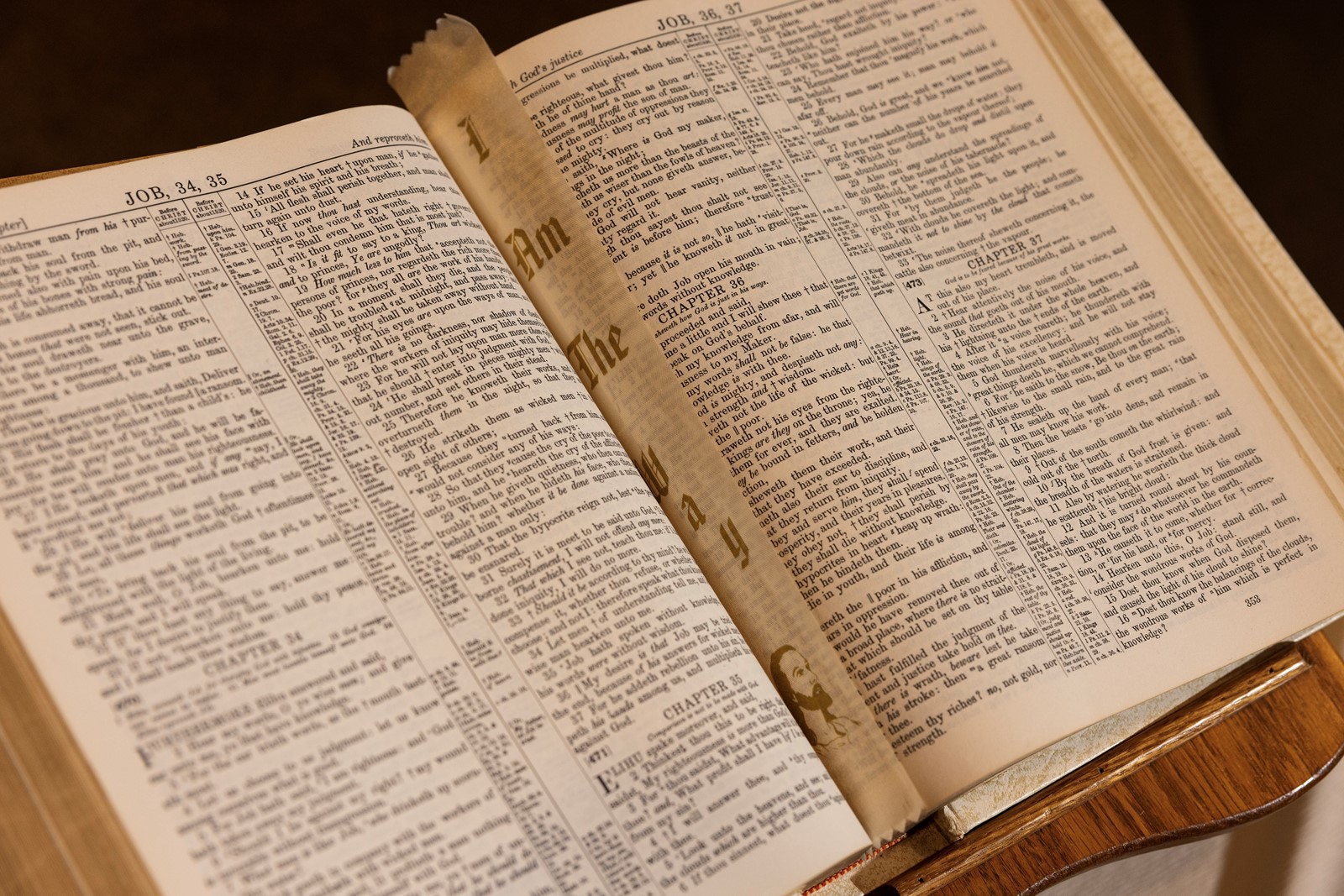
The Rapture belief spread through 20th century Bible conferences, evangelical media and the publication of the Scofield Reference Bible, which detailed the Rapture in footnotes, Frykholm said.
What is the latest prediction and what are the reactions?: Joshua Mhlakela, a South African man who describes himself as only a believer with no religious title, says God allowed him to see the future in a widely viewed YouTube video published three months ago.
In it, he recounts seeing Jesus on a throne and hearing him say that he is coming soon: “He says to me: ‘On the 23rd and the 24th, 2025, I will come to take my Church.’”
His prediction has stoked debates by Christian commentators and gone viral on social media, including on TikTok under the hashtag #RaptureTok where many have mocked it as another false claim by another false prophet.
Some have noted the dates overlap with the start of Judaism’s High Holy Days, which began this year on Sept. 22 with Rosh Hashana — the Jewish New Year.
 PREVIOUS ARTICLE
