


Lincoln-Way High School District 210
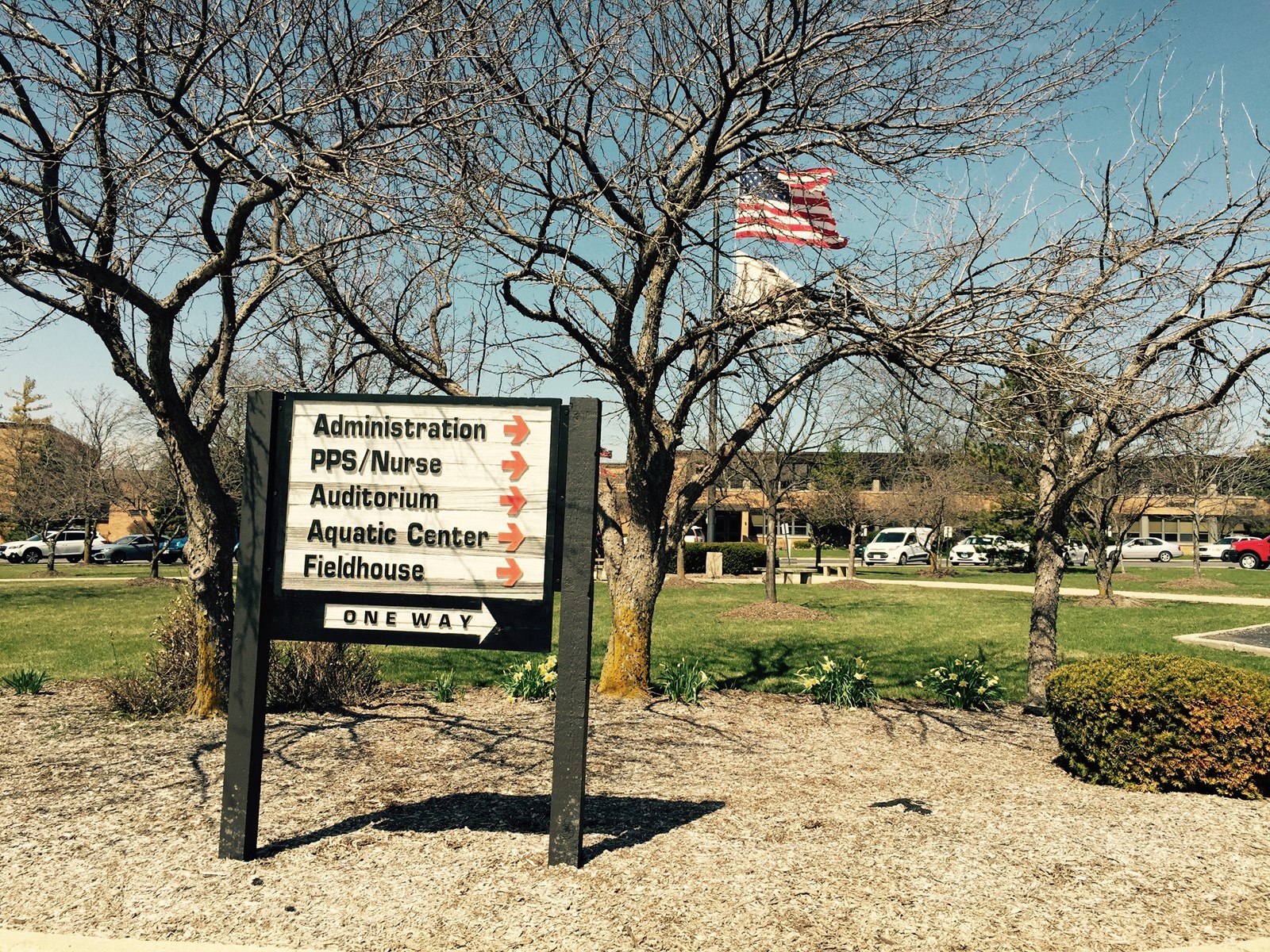


Lincoln-Way High School District 210 officials have agreed to create a task force to revisit the practice of allowing public use of its swimming pools and indoor tracks during school hours.
In March, access was restricted to evening hours, three days a week, citing security issues. That action came on the heels of the school shooting in Parkland, Fla., and after a Lincoln-Way district student was charged with aggravated disorderly conduct after allegedly threatening teachers.
Several who use the pool and field house addressed the board at two recent meetings, claiming they were not a security threat and urging the board to reverse the decision.
During Thursday’s board meeting, swimmer Kim Kosmatka presented petitions with 150 signatures of people who supported reinstating the use of school facilities.
“We have to find some common ground here,” she said. She suggested the district keep at least one of the three high schools accessible three days a week.
When the referendum to add pools and auditoriums at Central and East high schools passed in 2001 and to build the North and West high schools in 2006, voters were promised free use of the field houses, weight rooms and pools, they said.
“Open and free access was promised. You are obligated to uphold that,” Sue Fabris said. “Senior citizens who are health-conscious are not a security threat.”
Superintendent Scott Tingley said that he and other administrators were not “comfortable” with this practice.
Prohibiting daytime use was “not a knee-jerk reaction” but something that has been discussed by administrators since he became superintendent five years ago, Tingley said.
“We want the public to use the schools — but not while we are using it. We have people walking on the track while kids are flying around,” he said.
There have been a “handful of trips and falls” but “nothing major,” Tingley said.
He previously compared it to the public being allowed in a classroom and said Lincoln-Way is one of the only school districts that allowed daytime access while students were in the building.
Each high school oversees its pools, while the local park districts supervise the evening hours at the field house and fitness centers, and some charge a nominal fee, officials said.
The pools at Lincoln-Way’s Central, West and East high schools are open to the public for free Mondays, Tuesdays and Wednesdays from 5:45 to 8:15 p.m., unless there is a special event, district officials said.
Before the rule change in March, about 30 people used the facilities during the day at Central, 17 at East and 10 at West, the majority of them senior citizens who come in the morning, according to district figures.
Board President Joe Kirkeeng said he supported Tingley’s decision to ban daytime access, saying it was “appropriate” and made with input from other administrators.
But on Thursday night, he urged fellow board members to “step back,” look at “best practices,” get some numbers and determine whether the district can afford “to dedicate human and financial resources to this.”
The task force would include board members, administrators and members of the public, Kirkeeng said.
There are greater threats to children, such as texting while driving and using opioids, but “we are not addressing that,” Kirkeeng said.
Board member Christine Glatz, the only member who was on the board during those referendum campaigns, said, “They pay for these schools, and they should be able to use them. There has to be a reasonable solution.”
Times have changed since the referendums passed, board member Ron Lullo said.
“This is a different day and age,” he said.
Board member Beth Janus-Doyle, who teaches in another high school district, said it is not just about school shootings.
“I would be uncomfortable with girls swimming in the pool and having random adults swimming next to them,” she said.
Janus-Doyle also suggested having armed security guards available to escort people who visit the schools.
Board members also approved updated policies related to community use of its facilities and its security plans.
Regarding use of school facilities, the policy now reads, “School facilities are available to the community during non-school hours when such use does not interfere with any school function or affect the safety of students or employees, or affect the property or liability of the school district.”
Previously, the policy stated its facilities were available to “community organizations.”
It also states that the use of school facilities for school purposes has precedence over all other uses and that the district has the right to cancel previously scheduled use by the community.
A second policy laid out safety and security plans and called for each school to have a plan, a coordinated effort with local law enforcement and emergency personnel, plus regular drills during the school year for school and bus evacuations and weather emergencies.
 PREVIOUS ARTICLE

