


Business briefing


Environmental Protection Agency chief Scott Pruitt is overhauling the way his agency sets pollution limits under the Clean Air Act, announcing Thursday that regulators will seek input on the economic impact of enforcing the landmark federal law.
Pruitt’s initiative, laid out in a new memo, would set the stage for substantial changes and legal battles over how the United States enforces its 48-year-old law combating air pollution.
Federal law and U.S. Supreme Court decisions require the EPA to focus on public health — not costs — in setting limits for smog, soot and other pollutants under the Clean Air Act.
The act requires regular reviews of the limits for each pollutant. The maximum levels for smog would be the first to come up for review, by October 2020, under the new procedure, the EPA said.
EPA will ask its advisory committees to consider how enforcement affects the economy, and will seek input from state and local government, tribes and others.
“The principles laid out in this memorandum will reform the process for setting national air quality standards in a manner consistent with cooperative federalism and the rule of law,” Pruitt said in a statement.
Parts shortage hits Ford, others
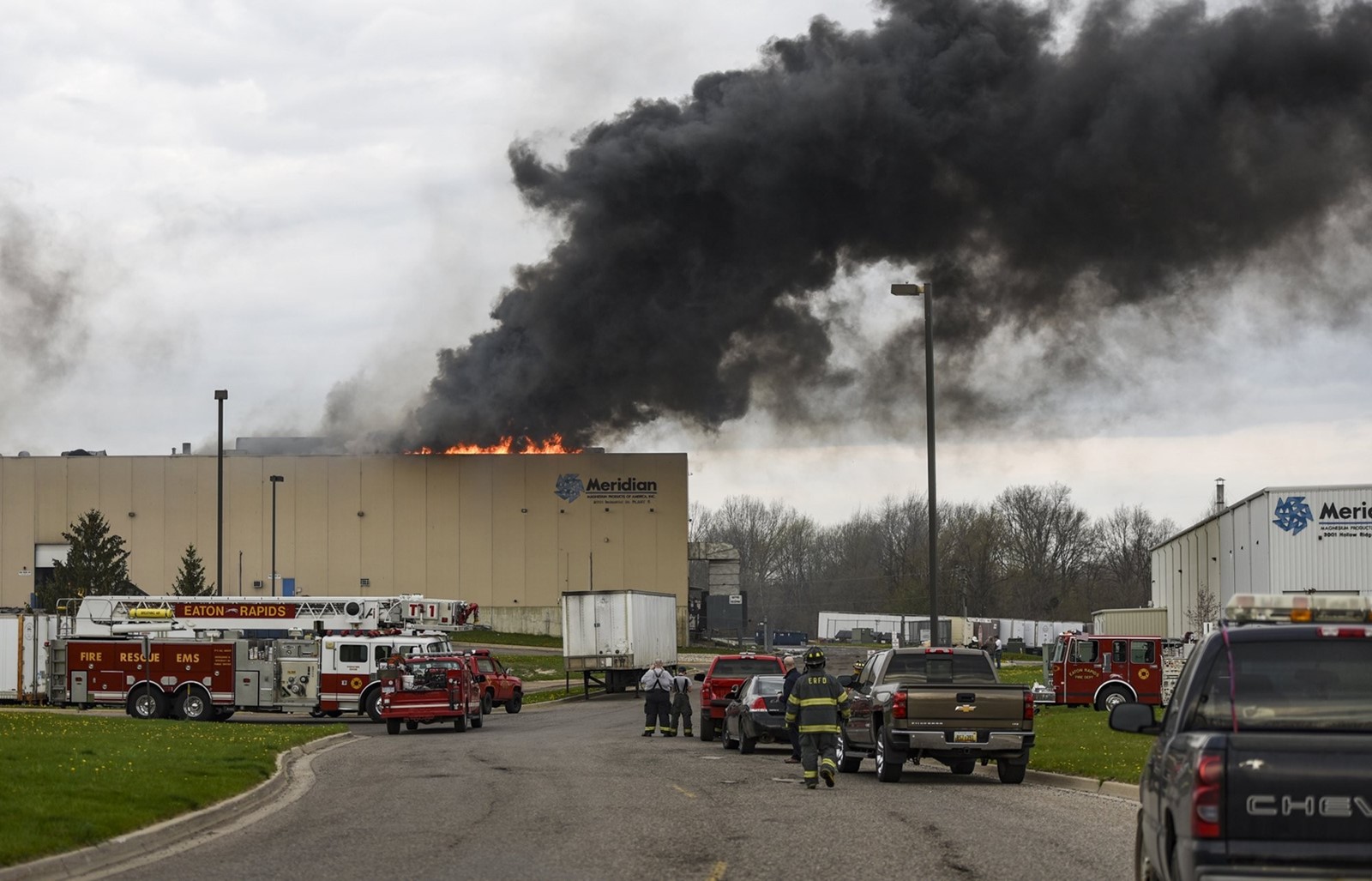
A fire that damaged a Michigan auto parts supply factory is causing production problems at Ford, Fiat Chrysler, BMW and General Motors.
Ford has been hit hardest by parts shortages. The company has had to temporarily lay off 7,600 workers as it cuts production of the F-Series pickup truck, the top-selling vehicle in America. It’s because of a May 2 fire at Meridian Magnesium Products of America near Lansing, Mich.
General Motors has been forced to stop producing full-size vans at a factory in Missouri, and production of Fiat Chrysler’s Pacifica minivan has been curtailed in Windsor, Ontario. BMW says it expects some production interruptions at its SUV plant near Spartanburg, S.C.
Equifax: Some passport info stolen
Equifax acknowledged a relatively small number of passport images and information were stolen as part of last year’s security breach, despite previously denying such a thing occurred.
The credit monitoring company said 3,200 passport images were stolen last year, according to a letter sent last week by lawyers representing Equifax to the Senate Banking Committee. That’s compared to the 148 million individuals affected by the overall breach.
Equifax originally disclosed the breach back in September, but subsequent disclosures from the company show that more information had been stolen than originally reported.
THE BOTTOM LINE
 PREVIOUS ARTICLE
