


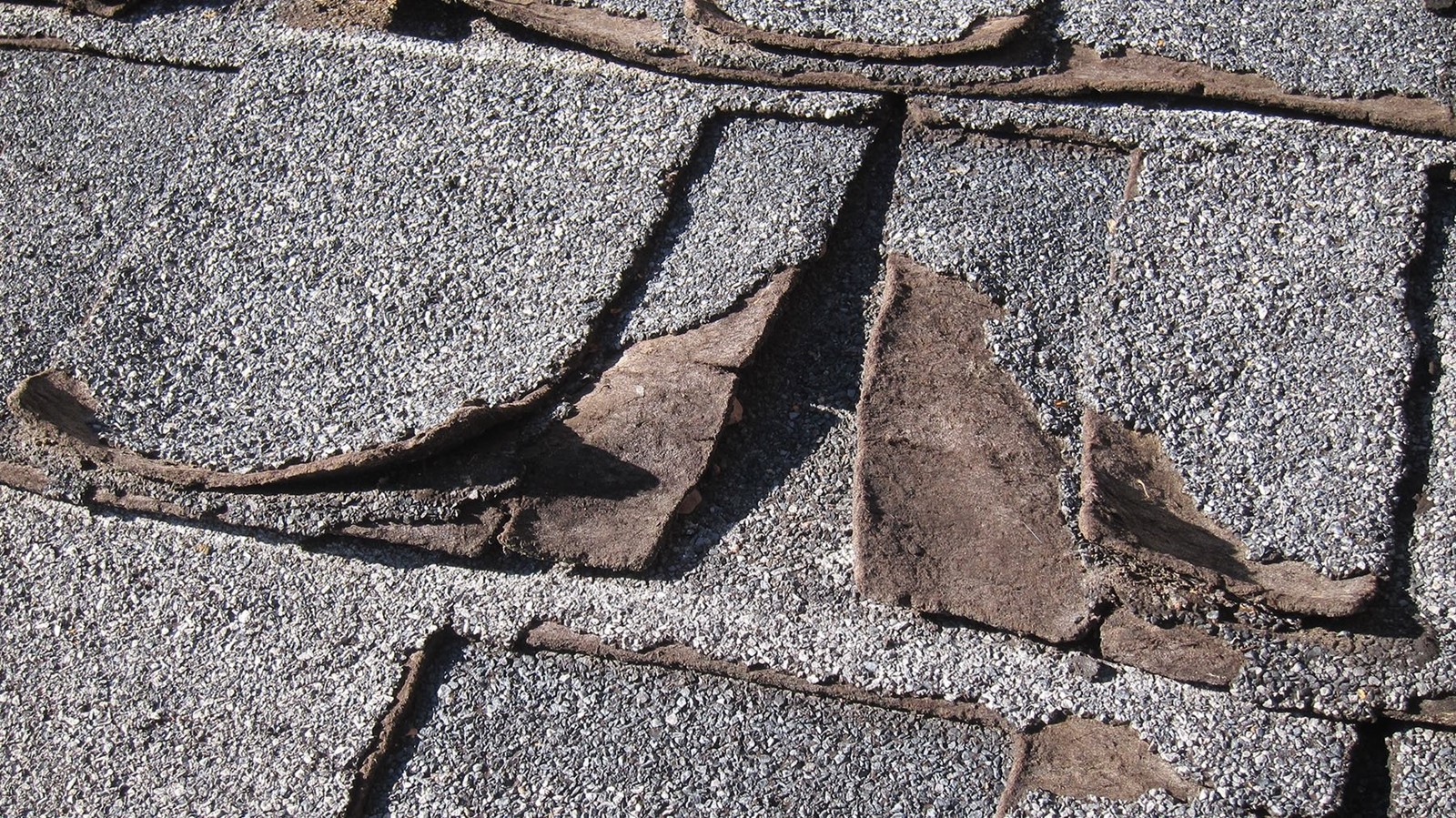


A: Guess what: It happened to me too. My 30-year-warranty asphalt shingles started to fall apart in nine years and suffered a catastrophic failure just a few years later.
I was so angry I decided to reach out to the national association that represents most of the manufacturers of asphalt shingles. They rebuffed me. I then tried to interview the top three U.S. shingle manufacturers. Two refused to answer my questions, and the third company put so much spin on their answers I got dizzy reading them.
By this time I was so infuriated I decided to see how widespread the defective shingle problem was. You may have participated in my national survey over two years ago. The results were so shocking I decided to write a short book about why your asphalt shingles are falling apart. The book is titled “Roofing Ripoff.”
My research indicated the problem is happening all across the country. In my opinion, it appears many of the shingle manufacturers are blowing too much air into the liquid asphalt at their factories. You need to blow some air into the asphalt, just enough so the black brew doesn’t drip from your roof on a hot summer day.
But blow too much air into the asphalt and you pre-age the shingles. Imagine opening a fresh pack of shingles, only to discover they already have 20 or more years of wear built into them. It sounds like you got some of these poor-quality products.
I discovered something that can save you and millions of other homeowners billions of dollars. While doing research for “Roofing Ripoff,” I discovered that copper ions react with asphalt molecules, slowing down the aging process.
It’s been known for centuries that copper prevents the buildup of algae and moss on roofs and ship hulls, but I recognized that copper can make asphalt shingles last 40 or 50 years or more. How cool is that?
You just have to put a 12-inch-wide roll of very thin copper on top of the cap shingles that run across the ridge of your roof and any hips. The copper dulls down to an attractive medium nut-brown in as little as four months, so you don’t even see it.
Each time it rains, some of the tiny copper ions wash down onto the shingles. The copper bonds to the asphalt and prevents one asphalt molecule from connecting to an adjacent asphalt molecule. If too many asphalt molecules link together like a long freight train, the colored granules fall off and cause the shingles to curl up like a cat taking a nap. The copper ensures your roof will outlast your ownership of your home.
You must use solid copper nails to attach the discrete copper strip to your cap shingles. The copper is the same width as the cap shingles and will not interfere with any ridge ventilation products.
You can read the first three chapters of “Roofing Ripoff” for free. Go to
A: You’re right. Pressure washers can wreak havoc with the soft fibers of wood, especially the light-colored bands of spring wood you see in all species of wood. Water that just flows over rock under no pressure other than its own weight scours solid granite. Just look at the Grand Canyon. Water spewing from a machine at 2,500 pounds per square inch is just too much.
Your husband does have a point with respect to the distance and tip size. Have him use a 40-degree tip and hold the wand at least 16 inches away. See what happens. The closer the tip gets to the wood, the more damage you’ll be doing.
Watch a short video showing the damage that pressure washers do to treated lumber at
 PREVIOUS ARTICLE

