


Q&A
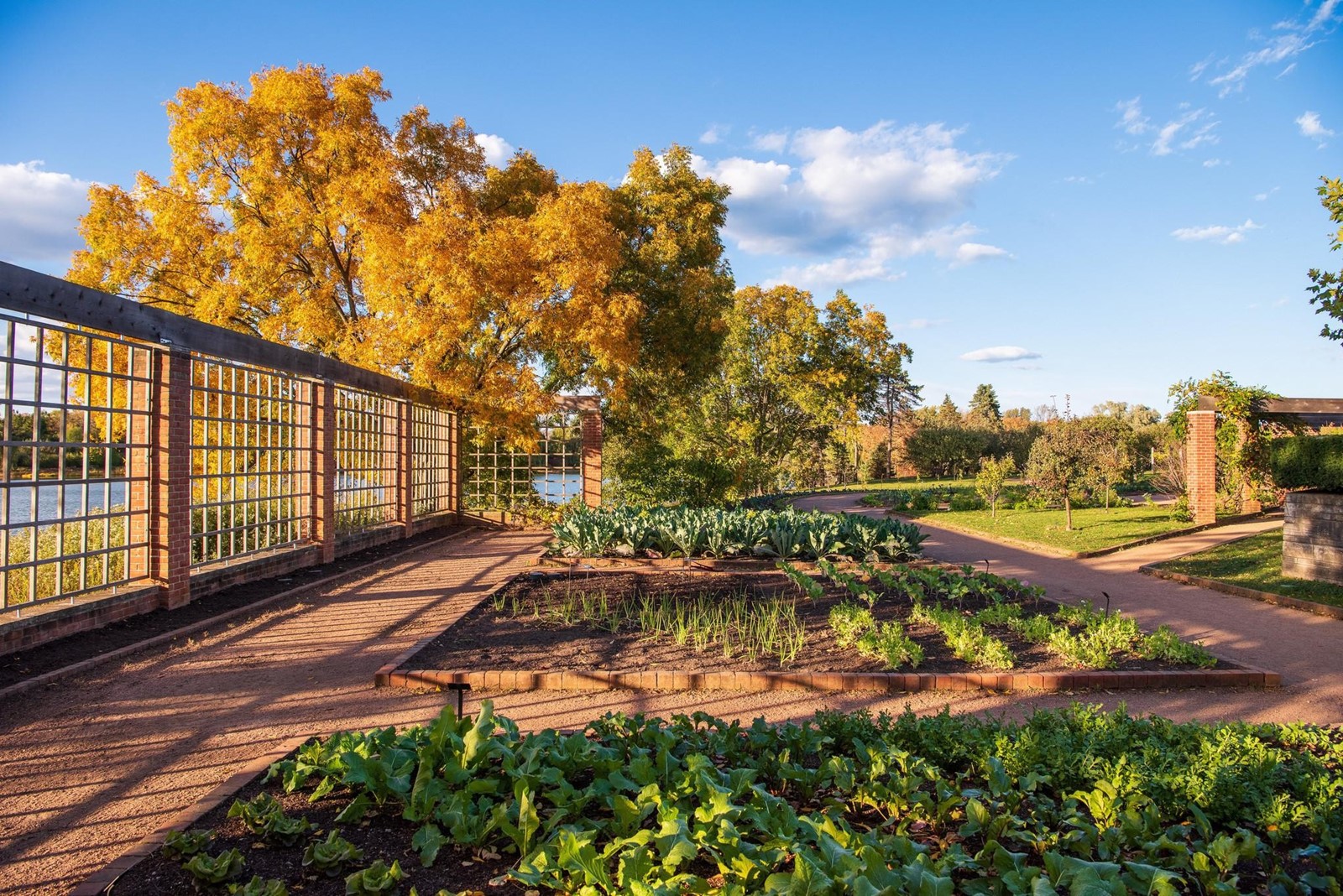


A: Most likely, all the warm-season plants — such as tomatoes, beans, squash and peppers — have been killed or heavily damaged by frost by now, so you can remove them. Any green tomatoes left on the vines will not ripen now, so try a recipe that calls for green tomatoes.
The first average frost at the Chicago Botanic Garden is Oct. 15, and the frost came a bit later this year. If you had previously seeded any cool-season vegetables like lettuce (it is too late to do so now), leave them in and continue harvesting until a hard freeze stops them. Kale, Swiss chard and cabbage were still good to eat from my garden at home this week.
Compost the plant debris if it is free of disease. Most home compost piles do not generate enough heat to kill disease organisms, so discard any diseased plant material, as well as any plant material that you are unsure of. It may be best to discard the tomato foliage to reduce chances of disease next year.
Amending the soil in a vegetable garden on a regular basis is a good gardening practice. Spade 2 to 3 inches of compost into the soil this fall once most or all of the vegetables have been removed. Use a garden spade to work the compost into the garden soil. Fall is a good time to do this, as the soil tends to be drier for longer periods of time than in the early spring. This way, your vegetable garden will be ready to plant in the spring.
The typical cool and wet weather in the spring can delay soil preparation. Do not work the soil if it is too wet. Try making a ball of soil with your hand and then use your thumb to break up it. If the soil crumbles, it is good to be worked, and if it forms a ribbon as you press on it, then it is too wet. Amending the soil once a year should be adequate for your garden.
 PREVIOUS ARTICLE
