




NEW YORK — When Kendrick Lamar began his Super Bowl halftime show earlier this year, he picked a stage design likely familiar to anyone tuning in: a square, triangle, cross and circle.
The Grammy-winning rapper chose to perform on a massive, industrialized grid of flashing lights resembling a giant PlayStation controller.
It was a nice surprise present for Sony’s PlayStation, which this year is celebrating its 30th anniversary in North America and Europe. Lamar’s nod to the console — which Sony had nothing to do with — was another sign of how far the brand has penetrated the culture, in ways big and small.
From big-budget Hollywood fare like “Lara Croft: Tomb Raider” starring Angelina Jolie, to Juice WRLD’s video for “Hear Me Calling” to “The Last of Us” on HBO Max, the PlayStation experience has leapt far past the console. Chandler Bing on “Friends” played a PlayStation 1 and the title character fired at PlayStation zombies in the cult movie “Shaun of the Dead.”
“We made gaming cool. When we came out we were a little edgy, we were a different, but it was really about being disruptive,” says Eric Lempel, senior vice president of Business and Product at Sony Interactive Entertainment. “We feel we are a premier entertainment brand, not just a gaming brand.”
From bedroom to living room
Part of the enduring popularity of the PlayStation has been its ability to evolve with the technology, starting in 1995 by picking CD-ROMs that opened the door to 3D gaming. At the time, clunky cartridges were king.
The PlayStation — sparked by a failed partnership between Nintendo and Sony — entered a marketplace dominated by Sega and Nintendo. Sony wanted to bring the arcade experience home and a crucial decision was to consult with game developers first, before building their system.
“Sony realized they needed developers in place from the get-go before they even started designing it,” says Anthony Caulfield, who with his wife, Nicola, run Gracious Films and made the independent documentary “The PlayStation Revolution.”
“Hardware manufacturers up to that point basically didn’t care what the developers wanted. They just made what they thought was the best piece of hardware,” he says.
Some critical steps helped right from the launch. Sony had a number of games ready to go, a development pipeline in place and a killer retail price — $299 — that was less expensive than the rival Sega Saturn.
Sony also picked its market carefully, Caulfield says. With Sega and Nintendo largely targeting children, Sony aimed the PlayStation at teens and young adults — catnip for their younger brothers and sisters.
“If you grew up loving Nintendo games, the PlayStation was like a really good next step,” says Tyler Treese, the editor-in-chief of PlayStation LifeStyle, an online forum and news site for fans.
When the console arrived, it was a sensation, going on to sell more than 100 million units globally.
“It’s when games grew up,” says Caulfield. “It’s where the gaming went from the bedroom to the living room.”
Sony kept up with the technology, packing a DVD into the PlayStation 2 so that buyers had another reason to buy the system. The PlayStation 2 remains the best selling console of all time, with some 160 million units sold.
“It was one of the best-priced DVD players that also happened to be the best gaming system at the time,” says Lempel. “I know so many people who said, ‘That was my DVD player. That’s how I started in DVD.’”
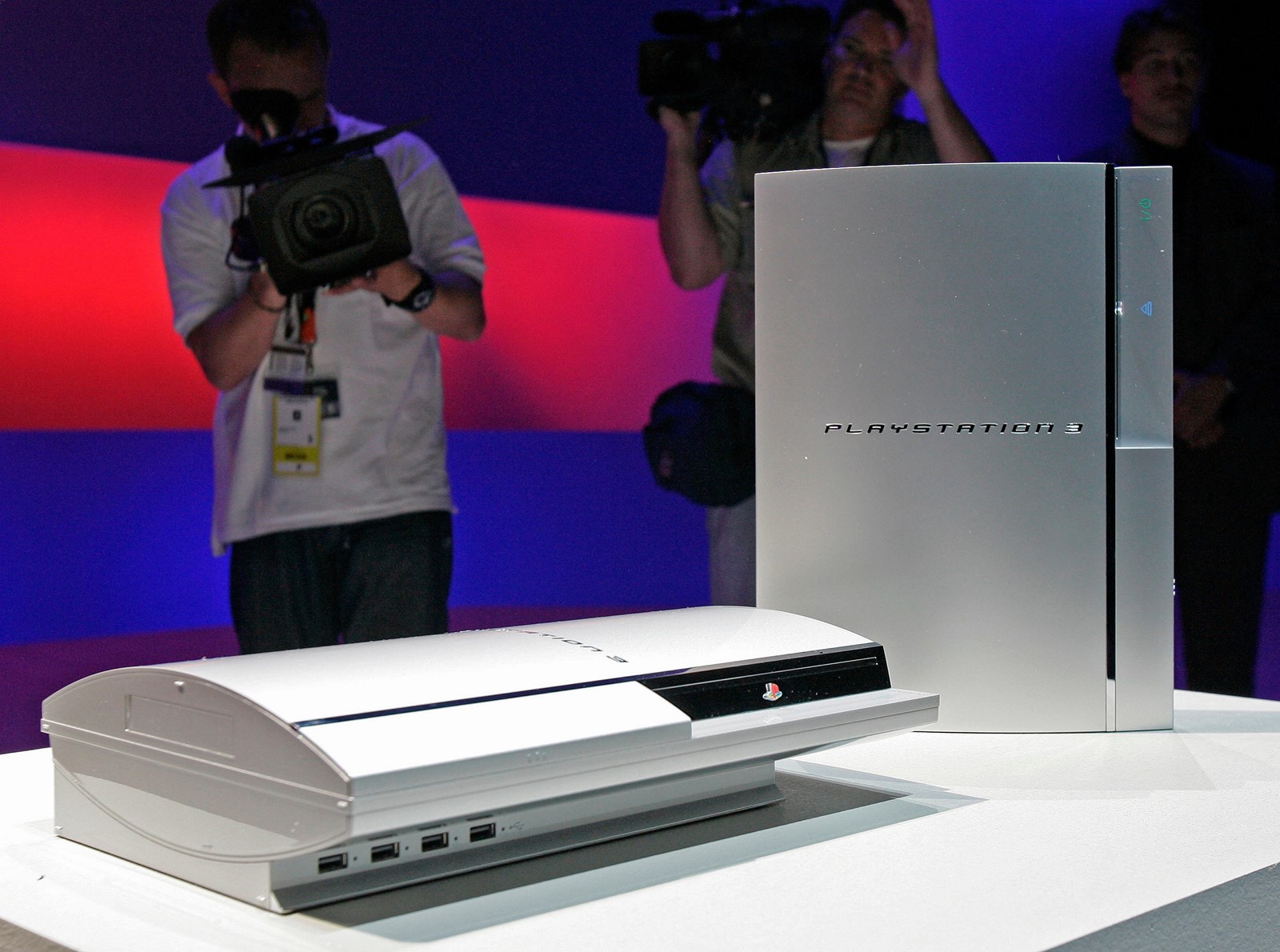
Sony hit a wobble with the PS3, which used a Blu-ray deck.
“It made the thing so expensive and it kind of broke that original PlayStation feeling of availability and great value for money,” Caulfield says, adding that a hack didn’t help the situation. “If they got the PS4 wrong it could have been the end.”
But the PlayStation 4 in 2013 stabilized the console, offering immersive online multiplayer options, streaming services and a library of exclusive games. Sony kept going with in-app purchases, 4K resolution and a controller that has haptic feedback and adaptive triggers in the current PlayStation 5.
“Every console has to have a purpose, it has to have a reason to exist, and when we find that we have the right amount of new technology that can enable developers to do great things, we push forward,” says Lempel.
The list of movies and TV shows that have had their origin on the PlayStation is long. It includes: “Uncharted” starring Tom Holland on the big screen, “The Last of Us” with Pedro Pascal on HBO, “Twisted Metal” on Peacock and “Gran Turismo” with Orlando Bloom from Columbia Pictures.
 PREVIOUS ARTICLE
