


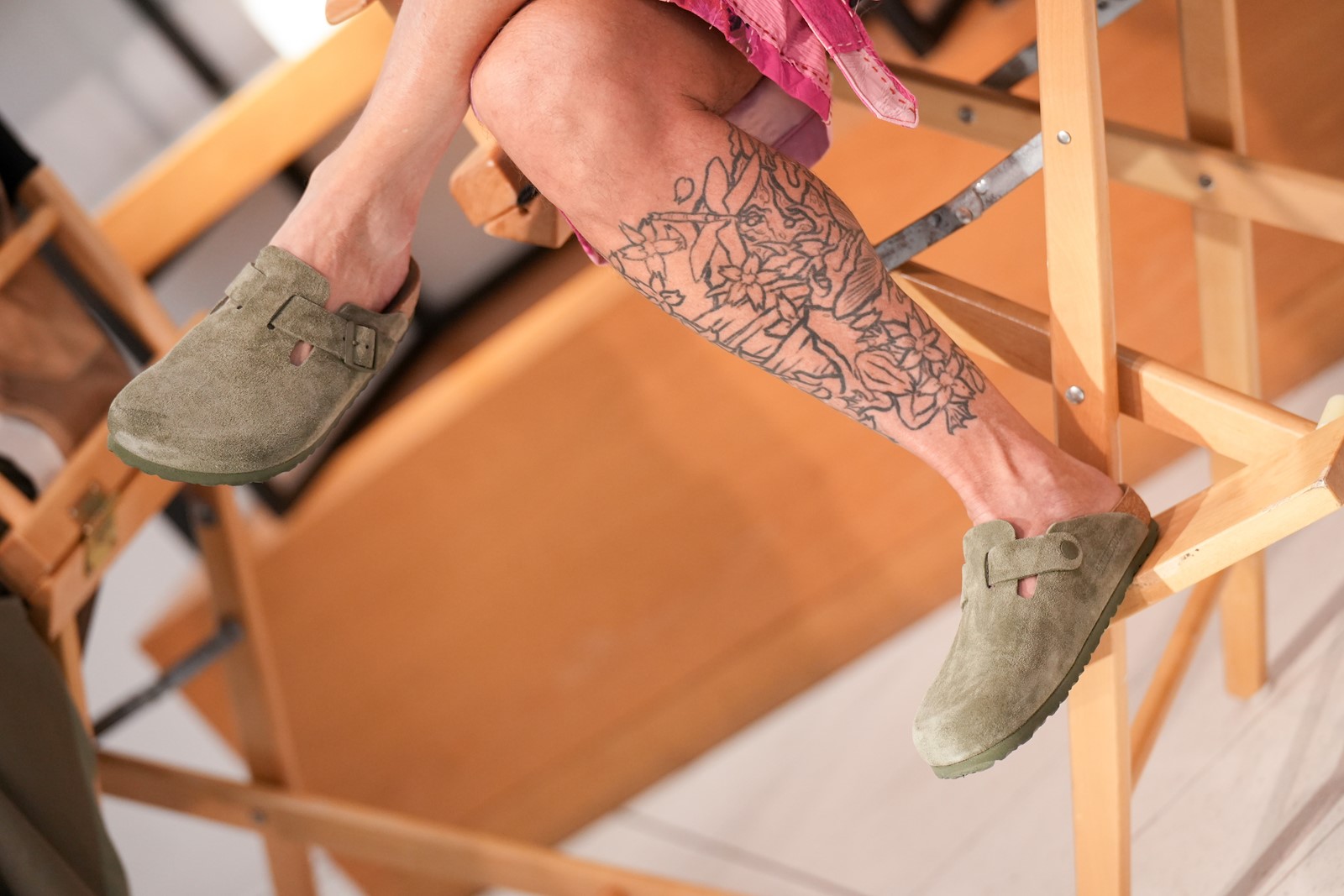
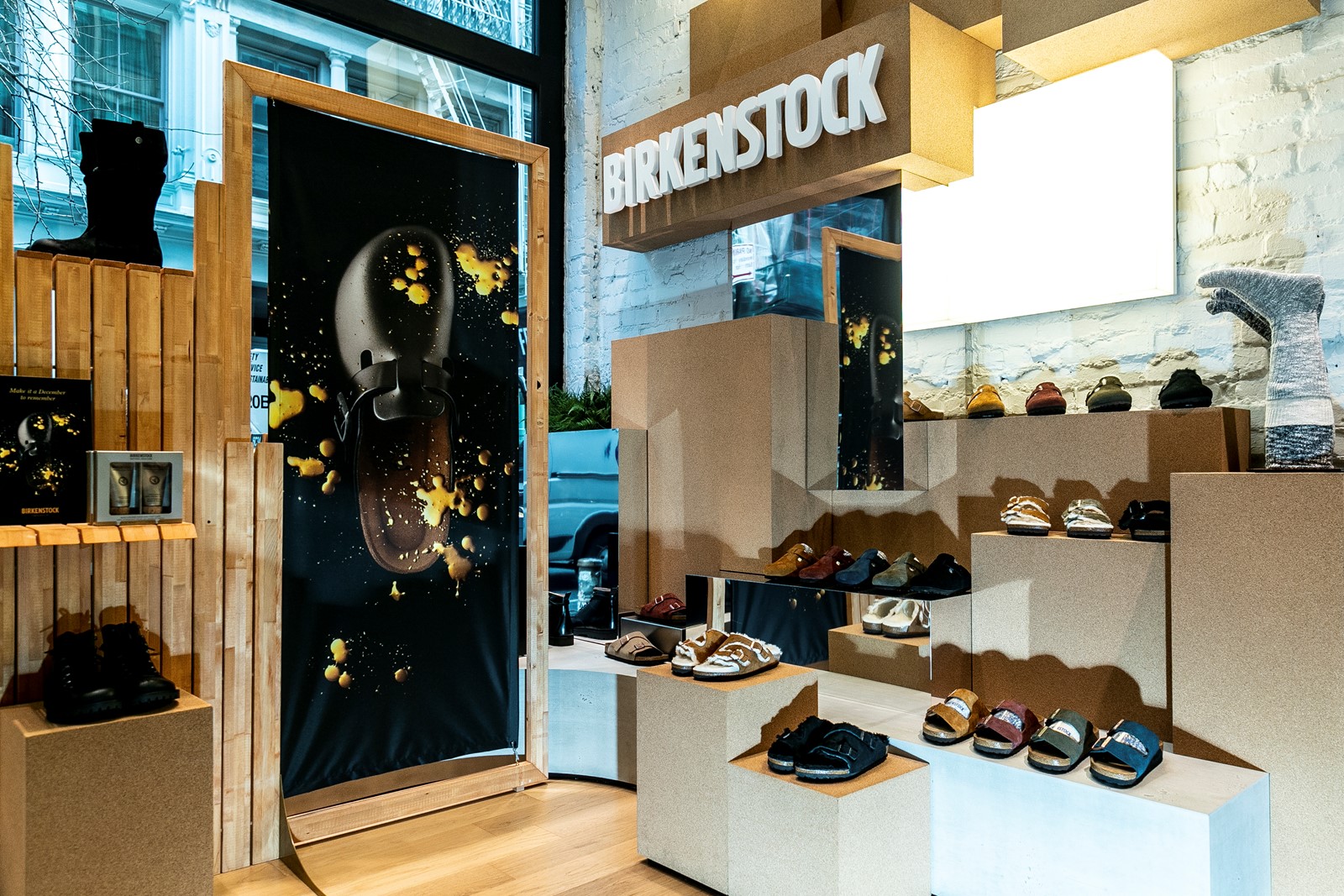


Birkenstock, the German shoemaker whose sandals have long been known as the brand favored by hippies and increasingly by hipsters, has filed for an initial public offering on the New York Stock Exchange, reflecting the company’s aim to raise its global profile while still retaining its roots in Germany.
Since Birkenstock was acquired two years ago by the private equity firm L Catterton and the family investment company of Bernard Arnault, the French billionaire behind the luxury conglomerate LVMH, the company has established collaborations with well-known shoe designers and expanded its profile into more of a lifestyle product.
The offering could value the company at more than $8 billion, Bloomberg News reported. Birkenstock plans to list the week of Oct. 9, according to a person who spoke on the condition of anonymity in order to discus business plans.
For the six months that ended March 31, Birkenstock reported a net profit of $43 million, compared with $78 million it made during the same period a year ago.
Why it matters: A startup with deep roots in Germany
In a letter submitted with the offering application, Oliver Reichert, the company’s CEO, drew a link between Birkenstock’s founding in 1774 to its present-day aspirations.
“We see ourselves as the oldest startup on earth,” Reichert said. “We are a brand backed by a family tradition of a quarter of a millennium with the resilience, timeless relevance and credibility of a multigenerational business.”
From its beginnings as a shoemaker to the development of its unique orthopedic arch support in the early 20th century, the footwear brand has risen to become a fashion icon, appearing on the catwalks of New York and Milan.
And, in this summer’s blockbuster movie, “Barbie,” Birkenstocks are the down-to-earth alternative that Barbie is forced to accept over her jeweled stilettoes.
In recent years, the brand has introduced its sandals made with non-animal materials and a dizzying array of styles and colors. Collaborations with prominent shoe designers, including Christian Dior, Manolo Blahnik, Stüssy and Valentino Garavani, have helped to generate buzz and create demand in fashion circles.Over the past decade, the company has seen sales increase to 1.24 billion euros in 2022 from 292 million euros in 2014, according to the filing.
Background: A shoe not just for hippies
The shoes were introduced to Americans by a German woman who discovered them on a trip home to Germany in the 1960s, filled her suitcase with the shoes and tried to convince U.S. retailers to market them. Traditional shoe stores rejected them, but they found a market in health food stores, where they were embraced by young people seeking an alternative lifestyle.
Today, the U.S. market accounts for more than half of Birkenstock’s sales, with a network of distributors and a growing online store that reaches customers directly in more than 75 countries.
Birkenstock’s most basic two-strap styles, made from a more environmentally friendly, softer plastic, sell for about $40, while the most exclusive designer models can fetch up to $1,600. But the heart of the product remains its flexible, contoured foot bed, produced in Germany.
Women, who entered the workforce in large numbers in the 1980s, are among the most loyal buyers embracing the practicality and comfort offered by Birkenstocks and make up 72% of the company’s customers. But the shoes’ appeal reaches across generations, making them as popular with millennials as they are with the boomer generation.
Potential risks: The trick of taking tradition public
Birkenstock’s statement said the company would face a number of risks in going public. Among them are the dangers posed by counterfeit products, it said, along with the “intense competition” from established companies and newcomers in the shoe market.
But with Birkenstock’s profile deeply rooted in its reputation as a company from a small town in Germany, and as part of a counterculture uniform, even the decision to go public could cost it customers. “The transition from a historically family-owned German company to a publicly held company listed on a U.S. stock exchange may negatively impact our reputation,” the statement said.
 PREVIOUS ARTICLE
