


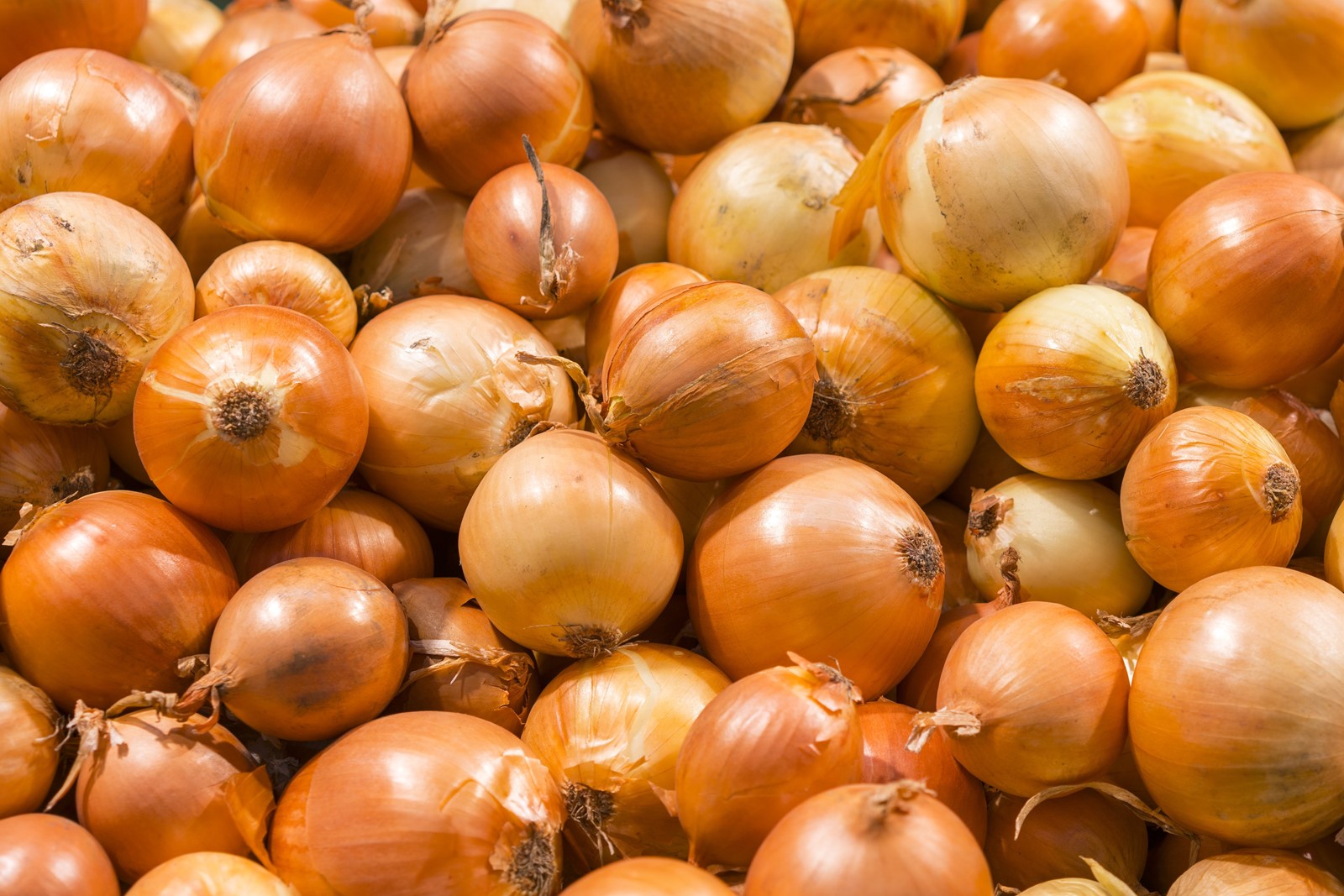


Q: Would you publish the onion syrup cough medicine recipe again? Years ago, my mother used to make it for us kids on the top of our old black cast iron stove in the corner of the kitchen. Not only was it effective, but it tasted so good that, unlike store-bought cough medicine, we actually enjoyed taking it! When my mother died, all her recipes were lost. I would love to get a recipe for this delicious remedy.
A: There are actually quite a few onion syrup recipes to choose from. We have been intrigued to discover that onion syrup has been used in India, Germany, Hungary and several other countries to calm a cough.
One approach involves slicing a yellow onion and sprinkling sugar over the cut edges. The “juice” is collected after about 30 minutes and a teaspoonful is swallowed.
A different recipe calls for slicing the onions and simmering them on low heat for 45 minutes to an hour in sugar-sweetened water. A teaspoon or two of the syrup is supposed to calm a cough.
A reader wrote: “My aunt would make a cough medicine of very soft-cooked onions with butter, brown sugar, ginger and a bit of vinegar. I liked it, and I always stopped coughing.” Many people substitute honey for sugar. Here is one such recipe: “Combine a half-cup of honey and a half-cup of water. Add in one whole chopped onion and one chopped clove of garlic. Add a dash of sage, thyme or oregano and steep overnight at room temperature. Strain and use the liquid as a cough syrup. Store in your refrigerator.”
Q: I read in your column about mixing powdered fruit pectin with boiling water for aching joint relief. I mix 1 teaspoon with 1/3 cup of boiling water. Then I put it in the fridge and use 1 teaspoon in the morning in my coffee (along with a scoop of CocoaVia) and 1 teaspoon in a cup of water before I go to bed.
This seems to do the trick. Am I missing out by not using grape juice? Or is the fruit pectin the trick? Is tart cherry juice as good as grape juice?
A: We received this letter 25 years ago regarding arthritis remedies: “My wife and I tried your golden raisins and gin for arthritis, and we were unimpressed. We have discovered something else, though, that seems to work for us. Take 2 teaspoons of Certo dissolved in 3 ounces of grape juice. Do this three times a day. We have been told to cut back to 1 teaspoon Certo in grape juice twice a day after the joints quit aching.”
Certo is liquid plant pectin. We appreciate your experiment with powdered pectin. It is sold in the canning section of the supermarket to thicken homemade jams and jellies. The powder does not dissolve easily in cold liquid. Your solution takes care of that problem.
If you are getting relief from pectin in your coffee and bedtime water, you may not need juice, though both grape and cherry juice have anti-inflammatory activity (Mini Reviews in Medicinal Chemistry, Jan. 25, 2023). CocoaVia supplies cocoa flavanols. Controlled trials show that these compounds promote cardiovascular health (American Journal of Clinical Nutrition, June 2022).
Q: Daily baby aspirin is not for everyone. My husband took it for a long time. In the last few years, we noticed that he gets large bruises on his hands. He has cut down to one 81-milligram tablet twice a week. He still gets bruises but less frequently.
A: Doctors call this side effect “ecchymosis.” Other NSAIDs (ibuprofen, naproxen, etc.) or anticoagulants can also lead to this kind of bruising.
In their column, Joe and Teresa Graedon answer letters from readers. Send questions to them via www.peoplespharmacy.com.
 PREVIOUS ARTICLE
