




The mediating country Qatar on Saturday announced a time for the ceasefire agreement between Israel and Hamas to take effect today, setting off final preparations for a truce that much of the world hopes will end 15 months of destruction in the Gaza Strip.
The deal should go into effect at 8:30 a.m. local time, said Majed al-Ansari, a spokesperson for the Foreign Ministry of Qatar, which spent months alongside the United States and Egypt struggling to broker an agreement.
Israel’s government approved the deal early Saturday after hours of deliberations and amid internal rifts in the governing coalition of Prime Minister Benjamin Netanyahu. The approval cleared a final obstacle, raising hopes for Israelis who want to see loved ones returned and Palestinians who have survived one of the most intense bombing campaigns of the 21st century.
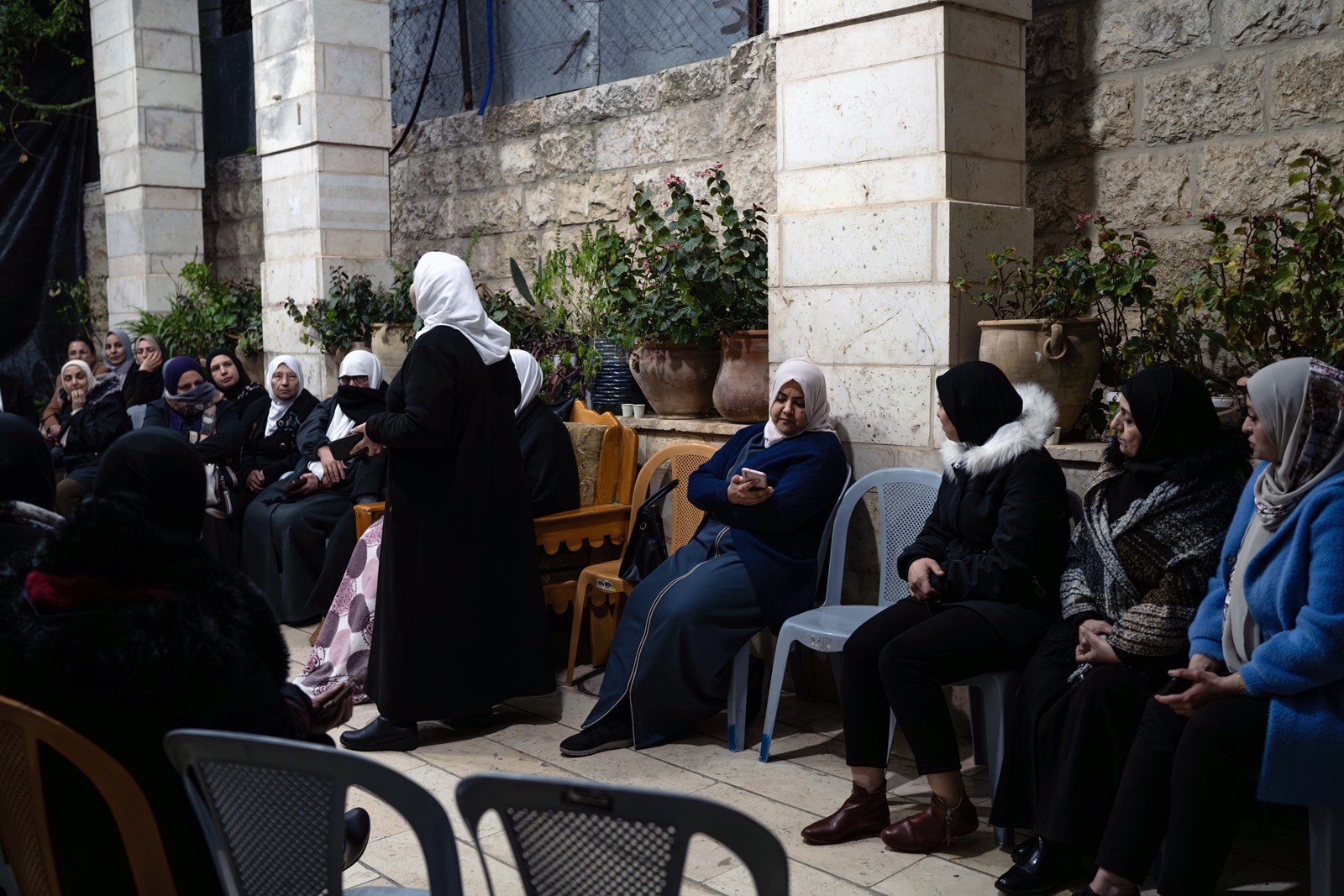
“It’s a mix of joy, sadness and longing for a new beginning,” said Mariam Moeen Awwad, 23, who has been displaced from her home in northern Gaza six times since the war began.
Awad had planned to move into her newly furnished apartment with her husband in November 2023. The war derailed those plans, leaving the couple in an overcrowded property and eager to return home, she said, “if it’s even still there.”
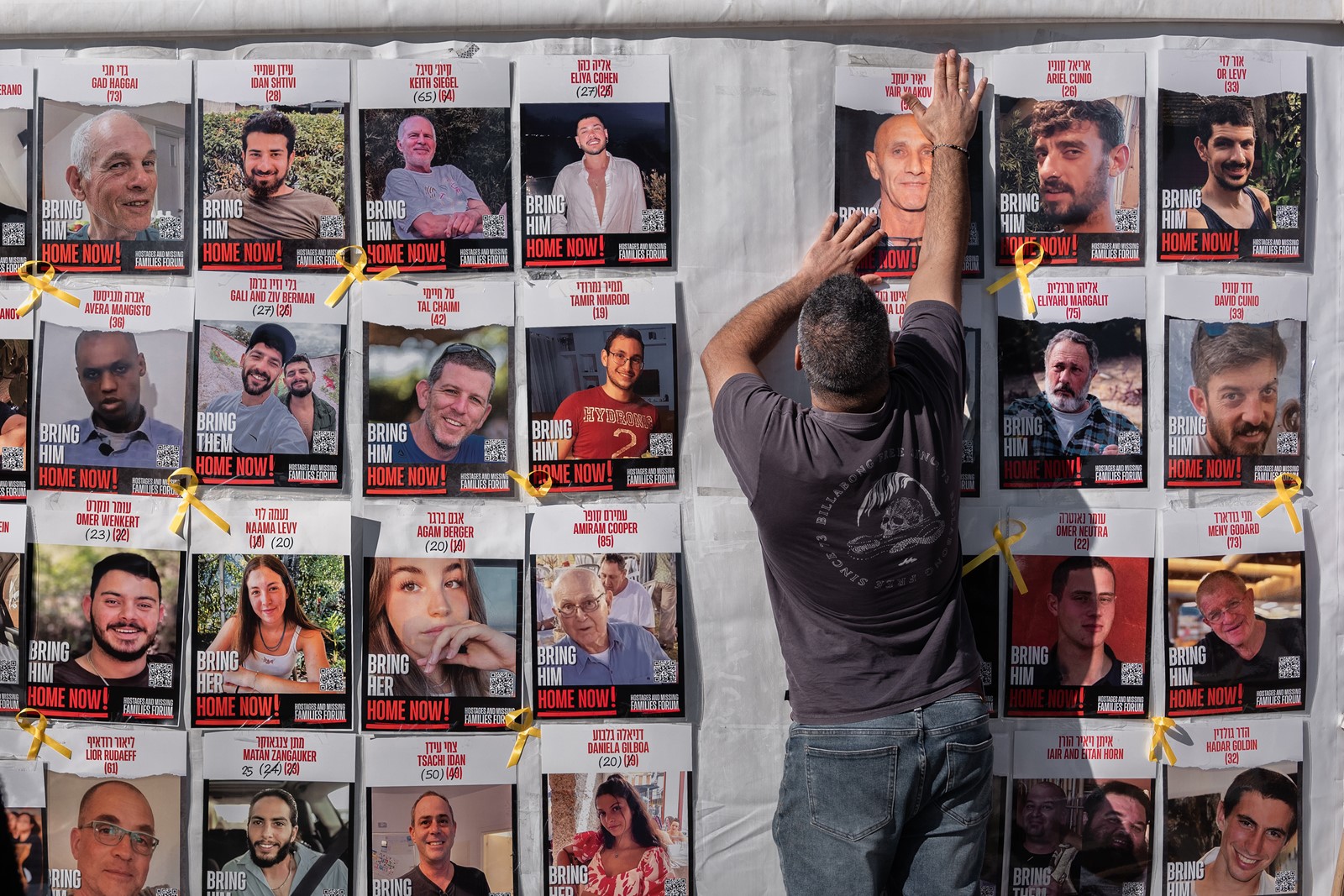
In Israel, authorities have started preparations to welcome home dozens of hostages, without knowing whether they will return malnourished, traumatized or dead.
In his first remarks since the ceasefire’s approval, Netanyahu said in an address Saturday night that 33 hostages would be released in the first phase of the deal, “most of them alive.”
Defending the deal, he argued that Israel had made major strategic gains over the past several months, including the killing of top Hamas leaders. “As I pledged to you, we have changed the face of the Middle East,” he said.
Three reception points have been established to receive the hostages along the Gaza border, according to an Israeli military official. Those will be staffed by Israeli soldiers as well as doctors and psychologists, said the official, who spoke on the condition of anonymity in accordance with protocol.
The hostage release is expected to be the first such major exchange since a weeklong ceasefire early in the war.
“The ones who were freed back then were already poorly nourished,” Hagar Mizrahi, a senior Israeli Health Ministry official, said of the hostages freed during the 2023 truce. “Imagine their situation now, after an additional 400 days. We are extremely worried about this.”
Of the women, older men and other hostages set to be returned, many are believed to have been held in Hamas’ network of tunnels in Gaza, under conditions likely to leave physical and psychological scars. Israeli hospitals are preparing isolated areas where the hostages can begin recuperating in privacy.
“Last time, we saw the Red Cross transferring the hostages, and some of them were running to the relatives, hugging them,” said Einat Yehene, a clinical psychologist working with the Hostage Families Forum, an advocacy group. “It’s not going to be easy and similar this time, given the physical and the emotional conditions we expect.”
In exchange, hundreds of Palestinian prisoners are to be freed. The total number of prisoners to be released and their identities were among the many contentious points involved in the negotiations for a deal.
The new deal also calls for allowing 600 trucks carrying aid to enter Gaza daily and negotiations on the withdrawal of Israeli forces from the territory and a permanent end to the war.
Those negotiations are likely to be bitter and difficult, like the months of talks that yielded this recent ceasefire agreement. Netanyahu is already facing an internal revolt within his governing coalition, which his far-right partners have threatened to quit over their opposition to the deal.
They have called for the war to continue to eradicate Hamas, which led the October 2023 attack on Israel that killed about 1,200 people, took 250 others hostage and started the war.
 PREVIOUS ARTICLE
