




Barring an enrollment surge, the nation’s uninsured rate could edge up again after a yearslong coverage expansion that has seen about 20 million people obtain health insurance.
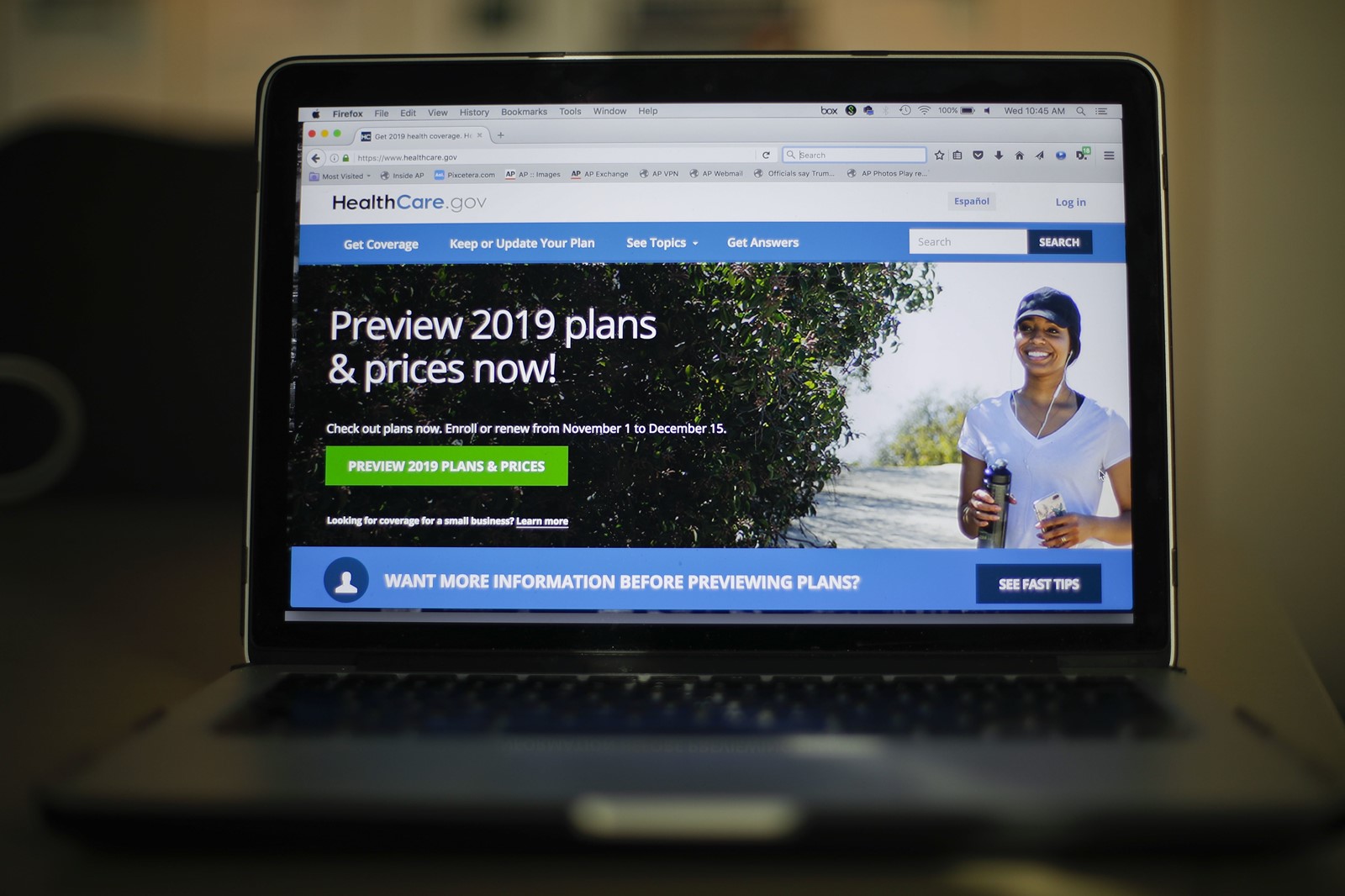
A status report Wednesday from the Centers for Medicare and Medicaid Services showed nearly 20 percent fewer new people signed up than at about the same time last year. New sign-ups drive the growth of the HealthCare.gov marketplaces, helping keep premiums in check.
The sign-up deadline in most states is this Saturday, for coverage beginning Jan. 1. A few states that run their own health care websites have later deadlines.
Disappointing sign-ups will add to the long-running political blame game over health care. Democrats accuse the Trump administration of “sabotage” on the health law. Republicans counter that pricey Obama-law premiums are too high for solid middle-class people who don’t qualify for taxpayer-financed subsidies.
The administration said in a statement this week, “our primary goal is to provide a seamless open enrollment experience for HealthCare.gov consumers.”
The new numbers suggest there may be less demand for government-subsidized insurance during a time of strong economic growth. But interviews with current and former officials, consumer organizations and independent experts also revealed several factors that appear to be cutting into enrollment.
The Trump administration didn’t set sign-up targets for the health overhaul, according to a report this summer from the nonpartisan Government Accountability Office. Such targets are a standard management tool for government agencies.
“Marketing does matter,” said Peter Lee, executive director of Covered California, a state-run insurance marketplace. “Not doing active promotion millions of Americans are not going to find their way to HealthCare.gov.”
The administration has been using targeted emails and social media messaging that’s nowhere near the effort expended in the Obama years.
Congress repealed the fine for being uninsured, effective Jan. 1, 2019. The tax penalty was the most unpopular part of Obama’s law.
“The really big change taking effect for this open enrollment period is repeal of the individual mandate penalty, so that is very likely a major factor,” said Larry Levitt of the nonpartisan Kaiser Family Foundation.
The administration also increased access to lower-cost plans that provide less coverage than the more comprehensive insurance offered under the overhaul.
 PREVIOUS ARTICLE
