


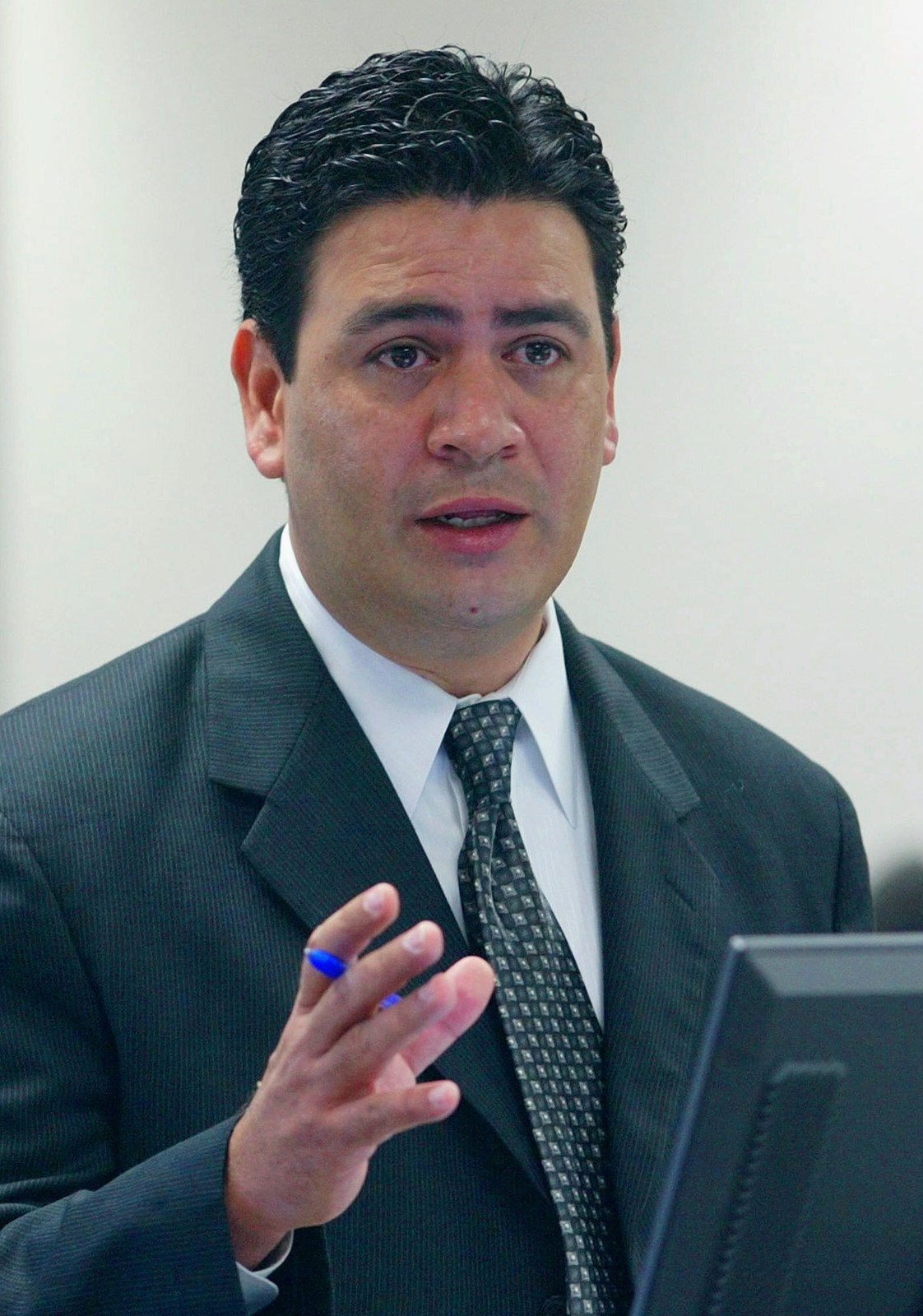


SANTA FE, N.M. — A judge in New Mexico has halted a federal death penalty case, citing the pinch of the U.S. government shutdown and a funding shortfall for specialized public defenders that stretches back to the summer.
The Trump administration in July announced plans to seek the death penalty for Labar Tsethlikai in connection with a string of kidnappings that involved sexual abuse and two deaths — a hallmark case in efforts to bring justice for missing and murdered individuals in Native American communities. The 52-year-old defendant from Zuni Pueblo has pleaded not guilty.
Death penalty cases are especially costly to prepare, and the delay in Tsethlikai’s case provides an early warning about escalating impacts of the shutdown on the judiciary.
“If you want to pursue the death penalty, you can’t do it without funding the defense,” said attorney Ryan Villa, who coordinates a panel of court-appointed defense attorneys in New Mexico.
The push by President Donald Trump’s administration to reinstate federal capital punishment follows a moratorium imposed by the Biden administration. Of the 23 cases authorized by Attorney General Pam Bondi, eight were struck down by courts and Tsethlikai’s is the only one temporarily halted because of the shutdown, according to groups that track such litigation.
Ripple effects
Villa cautioned that court-appointed defense attorneys in New Mexico are turning away from indigent case work to pursue more reliable pay, making delays more likely as defense teams struggle to meet constitutional obligations.
The federal judiciary says funds ran out in early July to pay thousands of court-assigned defense attorneys under provisions of the 1964 Criminal Justice Act, which pays legal fees for criminal defendants. Those attorneys represent about 40% of federal defendants nationwide who can’t afford an attorney.
Rather than relief, the October start of the federal budget year brought the shutdown.
“It was bad enough to have their payment delayed until Oct. 1, but now it’s delayed indefinitely,” said Milagros Cisneros, a supervisory assistant federal public defender in Arizona. “It’s not just their own fees being withheld, but also payment to investigators, interpreters, transcriptionists, experts.”
 PREVIOUS ARTICLE

