




CULIACÁN, Mexico>> The cartel operatives came to the homeless encampment carrying syringes filled with their latest fentanyl formula. The offer was simple, according to two men living at the camp in northwest Mexico: up to $30 for anyone willing to inject themselves with the concoction.
One of the men, Pedro López Camacho, said he volunteered repeatedly — at times the operatives were visiting every day. They watched the drug take effect, López Camacho said, snapping photos and filming his reaction. He survived, but he said he saw many others who did not.
“When it’s really strong, it knocks you out or kills you,” said López Camacho of the drugs he and others were given. “The people here died.”
This is how far Mexican cartels will go to dominate the fentanyl business.
Global efforts to crack down on the synthetic opioid have made it harder for these criminal groups to find the chemical compounds they need to produce the drug. The original source, China, has restricted exports of the necessary raw ingredients, pushing the cartels to come up with new and extremely risky ways to maintain fentanyl production and potency.
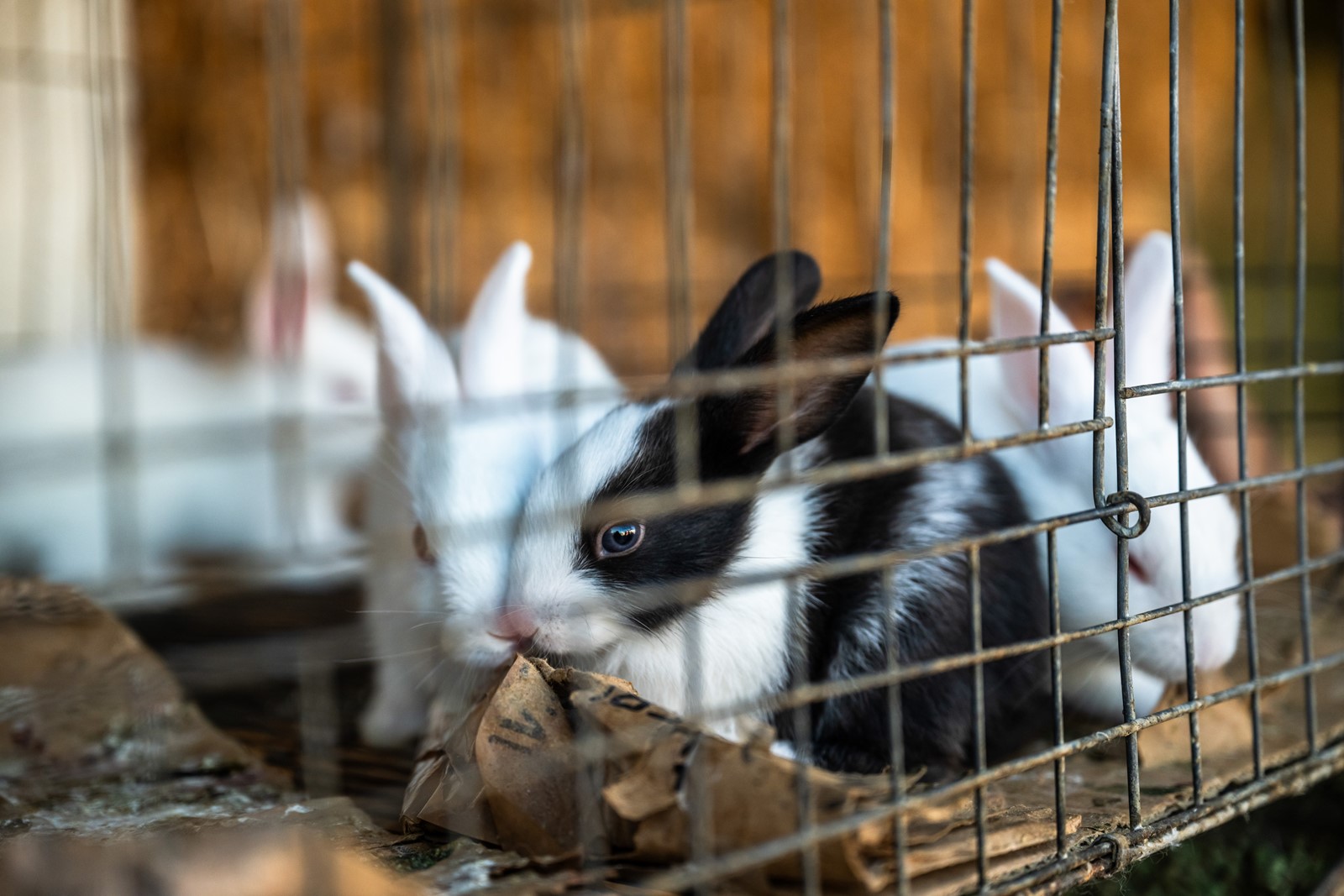
The experimentation, members of the cartels say, involves combining the drug with a wider range of additives — including animal sedatives and other dangerous anesthetics. To test their results, the criminals who make the fentanyl for the cartels, often called cooks, say they inject their experimental mixtures into human subjects as well as rabbits and chickens.
If the rabbits survive beyond 90 seconds, the drug is deemed too weak to be sold to Americans, according to six cooks and two U.S. Embassy officials who monitor cartel activity. The U.S. officials said that when Mexican law enforcement units have raided fentanyl labs, they have at times found the premises riddled with dead animals used for testing.
“They experiment in the style of Dr. Death,” said Renato Sales, a former national security commissioner in Mexico. “It’s to see the potency of the substance. Like, ‘With this they die; with this they don’t. That’s how we calibrate.’ ”
To understand how criminal groups have adapted to the crackdown, The New York Times observed fentanyl being made in a lab as well as a safe house, and spent months interviewing several people directly involved in the drug’s production. They included nine cooks, three chemistry students, two high-level operatives and a recruiter working for the Sinaloa cartel, which the U.S. government blames for fueling the synthetic opioid epidemic.
The people connected to the cartel spoke on the condition of anonymity for fear of retaliation.
One cook said he recently started mixing fentanyl with an anesthetic often used in oral surgery. Another said the best additive he had found was a sedative for dogs and cats.
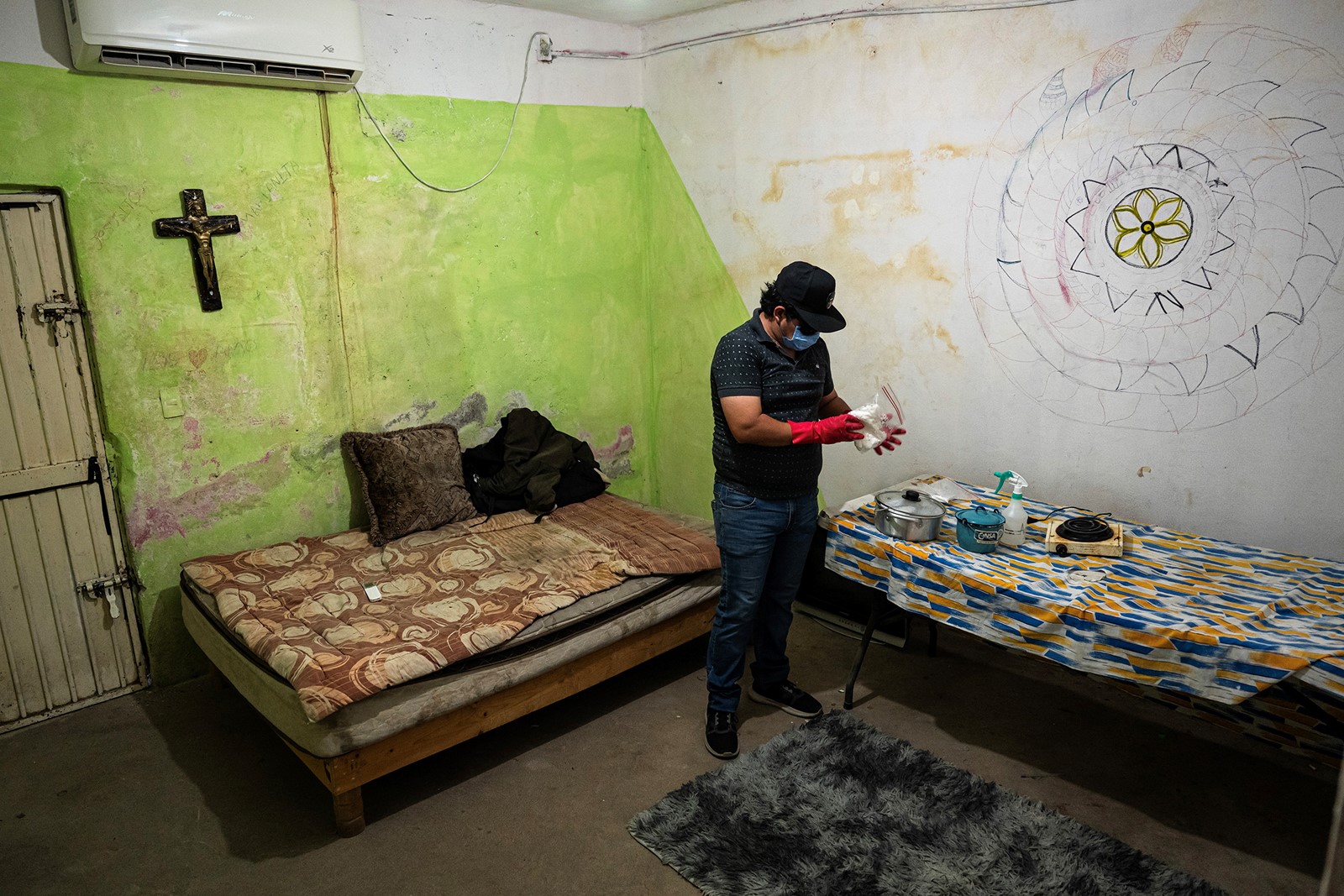
Another cook demonstrated for Times reporters how to produce fentanyl in a cartel safe house in Sinaloa state, in northwest Mexico. He said that if the batch was too weak, he added xylazine, an animal tranquilizer known on the street as “Tranq” — a combination that U.S. officials warn can be deadly.
“You inject this into a hen, and if it takes between a minute and a minute and a half to die, that means it came out really good,” the cook said. “If it doesn’t die or takes too long to die, we’ll add xylazine.”
The cooks’ accounts align with data from the Mexican government showing a rise in the use of fentanyl mixed with xylazine and other substances, especially in cities near the U.S. border.
“The illicit market gets much more benefit from its substances by cutting them with different things such as xylazine,” said Alexiz Bojorge Estrada, deputy director of Mexico’s mental health and addiction commission.
“You enhance it and therefore need less product,” said Bojorge, referring to fentanyl, “and you get more profit.”
U.S. drug researchers also have noticed a rise in what one called “weirder and messier” fentanyl. Having tested hundreds of samples in the United States, they found an increase in the variety of chemical compounds in fentanyl on the streets.
“It’s just a wild west of experimentation,” said Caleb Banta-Green, a research professor at the University of Washington School of Medicine, who helped coordinate the testing of more than 580 samples of drugs sold as fentanyl in Washington state this year.
He called it “absolute chaos.”
The experiments
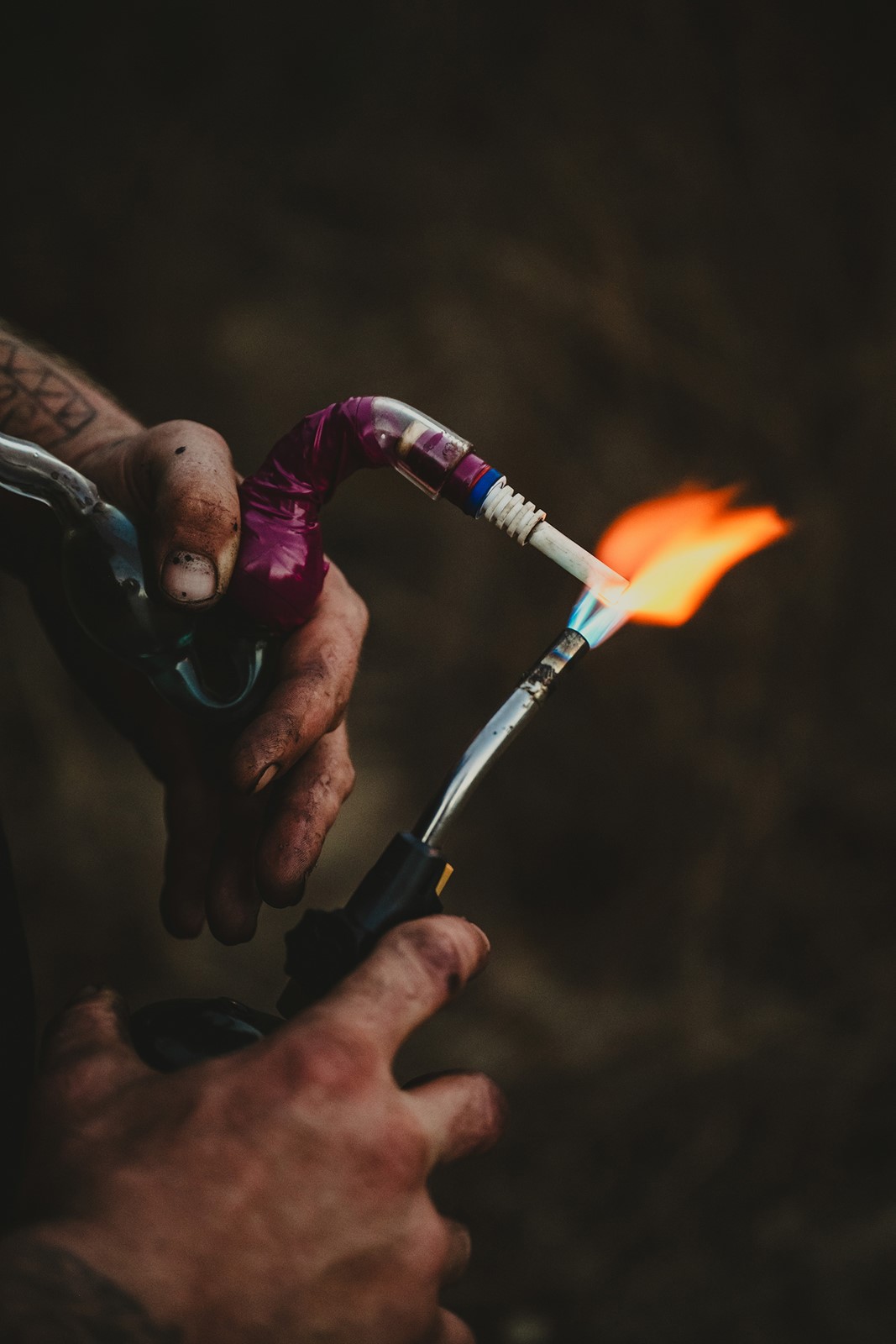
The synthetic opioids that reach American streets often begin in cartel labs, where precision is not always a priority, cooks say. They mix up vats of chemicals in rudimentary cook sites, exposing themselves to toxic substances that make some cooks hallucinate, wretch, pass out and even die.
The cartels are actively recruiting university chemistry students to work as cooks. One student employed by the cartel revealed that to test their formulas, the group brought in drug users living on the street and injected them with the synthetic opioid. No one has ever died, the student said, but there have been bad batches.
“We’ve had people convulse or start foaming at the mouth,” the student said.
Mistakes by cooks were met with severe punishment, she added: Armed men locked the offenders in rooms with rats and snakes and left them there for long stretches with no food or water.
The cooks and high-level operatives described the Sinaloa cartel as a decentralized organization, a collection of so many disparate cells that no single leader or faction had complete control over the group’s fentanyl production.
Some cooks said they wanted to create a standardized product that wouldn’t kill users. Others said they didn’t see the lethality of their product as a problem — but as a marketing tactic.
In a U.S. federal indictment against the sons of notorious drug lord Joaquín Loera Guzmán (known as El Chapo) who led a powerful faction of the Sinaloa cartel, prosecutors said the group sent fentanyl to the United States even after an addict died while testing it in Mexico.
Instead of scaring people off, cartel members, drug users and experts say that many American users rush to buy a particularly deadly batch because they know it will get them high.
“One dies, and 10 more addicts are born,” said one high-level operative for the cartel. “We don’t worry about them.”
The boss
The boss knew something was wrong when the hens stopped keeling over. He said he’d been in the drug business since he was 12, when he started apprenticing at a heroin processing site.
Now a soft-spoken 22-year-old, the boss said he taught himself how to produce illicit drugs by studying the older, more experienced men he worked with. Eventually, he started his own business with a friend.
The boss said his business grew so fast that soon he was running three fentanyl labs. The drug has made him millions, he said.
When asked whether he felt guilty about producing a drug that causes mass death, the boss said all he was doing was giving his customers what they want.
“If there weren’t all those people in the United States looking to get high, we wouldn’t sell anything,” he said. “It’s their fault, not ours. We just take advantage of the situation.”
The Cook
One cook we spoke with said he got into the fentanyl business a few years ago to pay off growing debts. At first, the former shop owner regularly got sick from the exposure to the fumes. He said the armed cartel members in charge had no patience for it.
“You may throw up at the beginning when you start, and you take a quick break and take some air,” said the cook, but soon enough “one of them will scream at you to get back to work.”
A boss once shot him just because he didn’t answer a question quickly enough, he said, pulling up his shirt to reveal a stomach scar.
He’s never fully disclosed his job to his family, simply saying he’s off to work and then returning weeks later with a lot of cash.
He believes the money and the fear evident in his expression deter any questions.
“There is no retirement here,” the cook said, adding that the cartel would likely kill him for trying to stop. “There is just work and death.”
 PREVIOUS ARTICLE

