


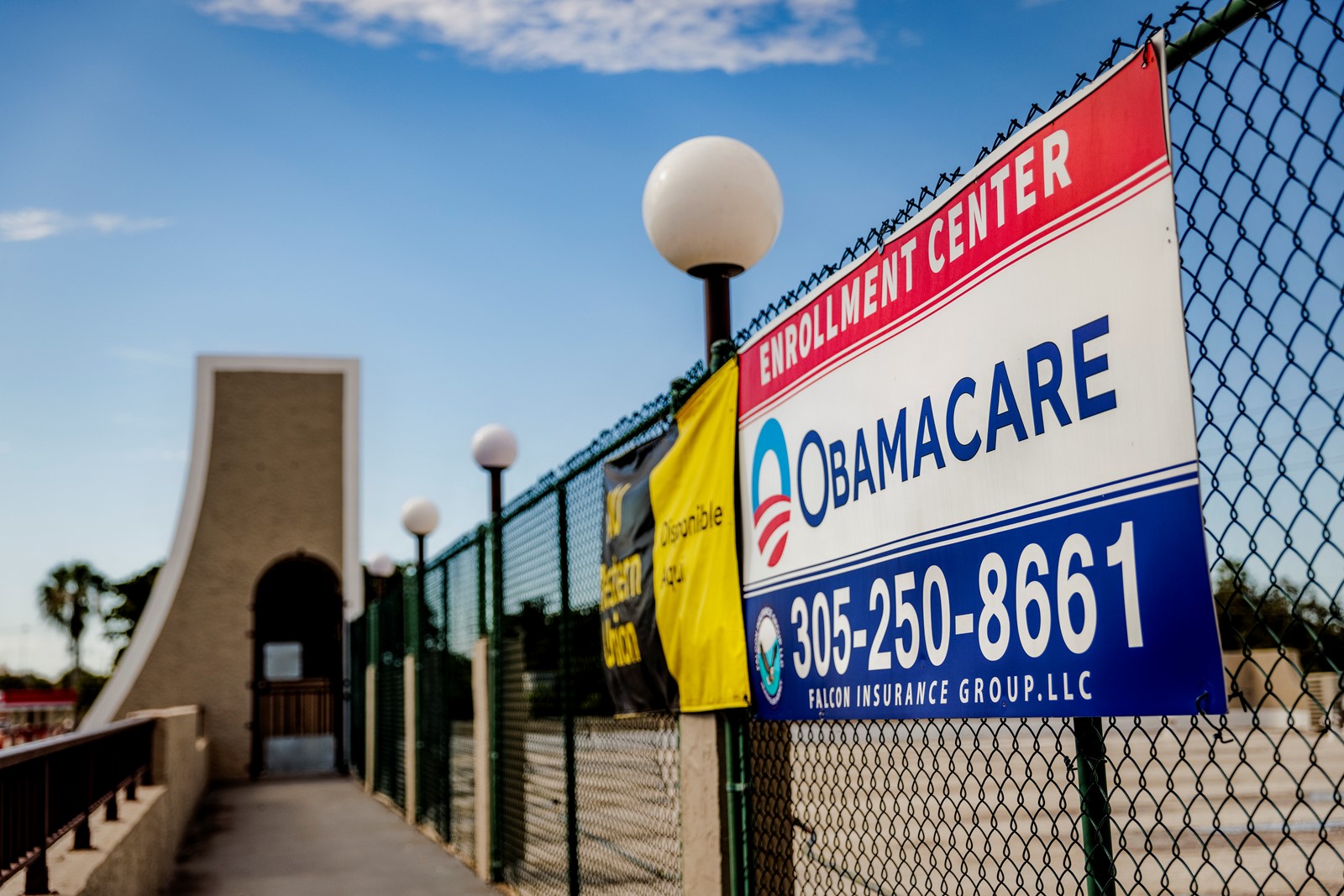


Millions of Americans who depend on Obamacare for their health insurance face another double-digit price increase next year, adding to the financial toll that has already driven millions of others to drop coverage since last year.
The price increases largely reflect higher medical costs across the country. But they also are a signal of the latest blow to Obamacare under the Trump administration, which has overseen the expiration of tax credits that helped Americans pay for coverage and has erected new barriers to enrollment in an effort to root out what it describes as widespread fraud.
The average price of health insurance in the Obamacare marketplaces will rise by 13% next year, according to an analysis Friday by KFF, a health research group.
The Trump administration on Friday published new prices for 2027 in 30 states with markets managed by the federal government. Using that data and state figures, KFF calculated the increase nationwide.
The large premium increases for Obamacare plans are similar to changes expected in other health insurance markets, though slightly higher. Reports by several consulting firms projected that premiums for employer plans, which cover around 150 million people, could go up by about 10% in 2027. Premiums for federal workers are increasing by more than 10%.
Public opinion polls have shown that the cost of healthcare has been among voters’ top economic concerns going into the midterm elections Tuesday. In a recent poll from KFF, about 60% of registered voters said they were worried about being able to afford healthcare for themselves and their families.
Across the private and public health sectors, the increases have been driven by rising hospital prices, high payments under a consumer protection law that changed how some doctors are compensated, and the growing use of artificial intelligence in doctors’ offices, according to benefits consultants and industry analysts. Several large employers also pointed to a rising bill for expensive specialty prescriptions, like cancer drugs and GLP-1 medicines.
The Trump administration released the numbers quietly Friday afternoon as a data file. A government fact sheet about open enrollment published shortly afterward did not mention the premium increase but noted that three-quarters of Obamacare customers with subsidies can still find plans for less than $50 a month.
Open enrollment and shopping for plans begins Sunday, just two days before the midterm elections in which affordability and the higher prices for groceries, gasoline and healthcare have been a central issue.
Although the federal government reported that 19.2 million people were enrolled in Obamacare coverage early this year, more recent estimates indicate a lower total.
Roughly 10% are older consumers who earned more than $63,840, a group largely composed of self-employed workers, such as chiropractors, dentists, ranchers and farmers, as well as many early retirees. Many already faced premium increases exceeding $1,000 a month in 2026.
“This is a really small number of people,” said Cynthia Cox, director of KFF’s program on the Affordable Care Act. “But these people are getting hit the hardest by rising healthcare costs, and they don’t get any help.”
The average cost for the cheapest bronze plan with a high deductible will be about $700 a month for a 50-year-old single person, according to Cox.
Obamacare customers who earn less than $64,000 a year make up most of the people enrolled in the program and will still benefit from income-based subsidies and will not have to pay higher out-of-pocket premium costs next year. For those people, taxpayer dollars will cover the extra cost.
But many with strained household budgets are struggling to pay their portion since their Obamacare premiums went up in 2026, and many have been forced to switch to plans with higher deductibles.
In 2026, premiums rose by an average of 26%, with the cost for all consumers more than doubling on average for the same plan, after the Republican-led Congress decided to let temporary federal subsidies expire.
Recent estimates from KFF, based on insurance filings with regulators, suggest that enrollment fell by nearly 5 million people as of June.
A recent large survey released by the Commonwealth Fund, a foundation and research group that supports the Affordable Care Act, found the uninsured rate among working-age adults had risen since two years ago.
Democrats forced a record 43-day government shutdown last year as they tried to leverage government funding on an extension of the subsidies or healthcare tax credits. Aides to House Minority Leader Hakeem Jeffries, D-N.Y., have said he will schedule a vote to restore the extra subsidies in the first days of the next Congress if Democrats win a majority in the midterm elections.
The data on premium costs was published Friday just before the start of next year’s enrollment period, which runs from Sunday to Jan. 15. People in most states who want to buy Obamacare insurance for next year need to sign up during that period. (A handful of states keep the enrollment period open longer.)
Increases for consumers who renew their current plans could be higher than the average increase.
 PREVIOUS ARTICLE

